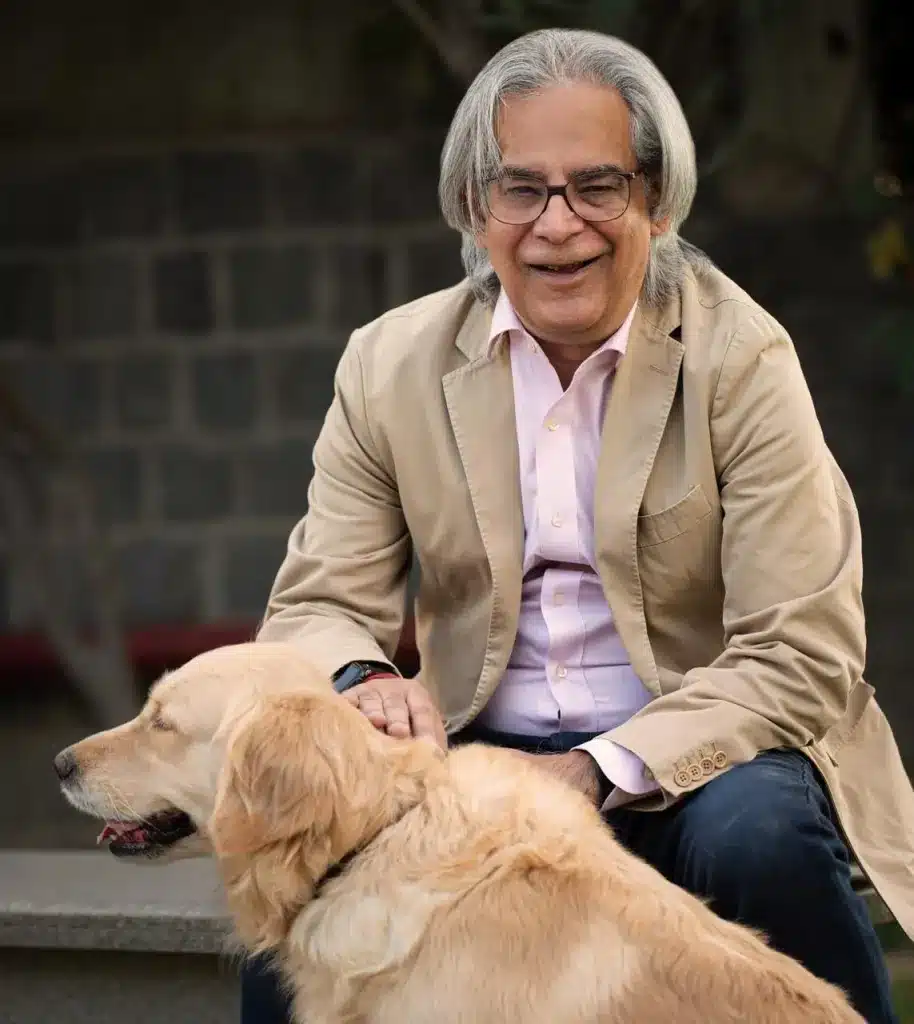
When the doctors suggested retirement, Sumer Datta had just woken from a four-month coma with a brain hemorrhage that should have killed him. His response? ‘I’m going back to work’.
It always starts in a garage
Sumer Datta describes himself on LinkedIn as “Top Management Professional – Founder/ Co-Founder/ Chairman/ Managing Director Operational Leadership | Global Business Strategy | Consultancy And Advisory Support”. But that is not why I am sharing his story.
Sumer is one of the people whose firm shaped HR in India.
He started Noble House Consulting with ₹500 in his pocket and an old computer in a garage. No investors. No startup ecosystem. No safety net. Just a stubborn belief that he could build something meaningful in India’s HR world.
He typed proposals late into the night and knocked on doors that often didn’t open. The rejections outnumbered the wins, but each closed door taught him something the textbooks never could.
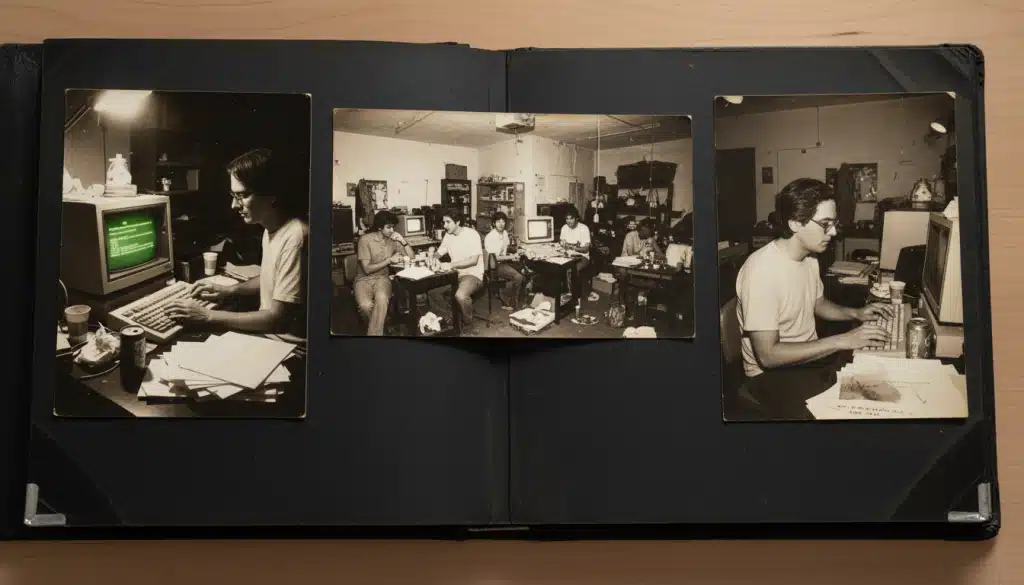
About eighteen months in, Ravi Virmani (a classmate of mine at XLRI) joined as a partner. That changed everything. Together, they built the business brick by brick—late nights, endless client meetings, small victories that felt enormous, and failures that shaped their foundation more than any success ever could.
From that cramped garage, Noble House evolved into Noble & Hewitt, then Hewitt Associates, and eventually became part of Aon, one of the most respected names in global HR consulting. Those years didn’t just build a company—they changed the DNA of India’s HR profession. Many young professionals today may never know how influential that journey was, but it rewrote the rules of talent management in the country.
When Noble & Hewitt officially became Hewitt, Sumer was given a choice – he could keep the name “Noble House.” He didn’t realize then how prophetic that decision would become.
Noble House 2.0 and the gig economy
Eight years ago, long before “gig economy” became a buzzword plastered across LinkedIn feeds and business magazines, Sumer revived Noble House. This time, it wasn’t about consulting—it was about creating a platform for skilled professionals who wanted to work on their own terms.
He saw the future unfolding. Companies needed agility. Talent craved flexibility. The old full-time employment model was cracking under the weight of a changing world.
Noble House 2.0 was born as a platform connecting organizations with independent experts—people who chose to work six months a year, three weeks a month, or in any rhythm that fit their life. Today, that vision has grown into one of India’s strongest flexible talent ecosystems, with a network of 25,000+ freelancers and 15,000+ interim leaders. Noble House proudly serves as the India partner for the Valtus Alliance, the world’s most respected global interim management network.
For Sumer, Noble House represented everything he’d learned over three decades—from a garage startup to a global HR firm to a future-ready gig platform. It had evolved as he had evolved.
Then, in 2020, everything stopped. Yes it was the pandemic. But something else was about to happen to Sumer.
The Ground Split Open
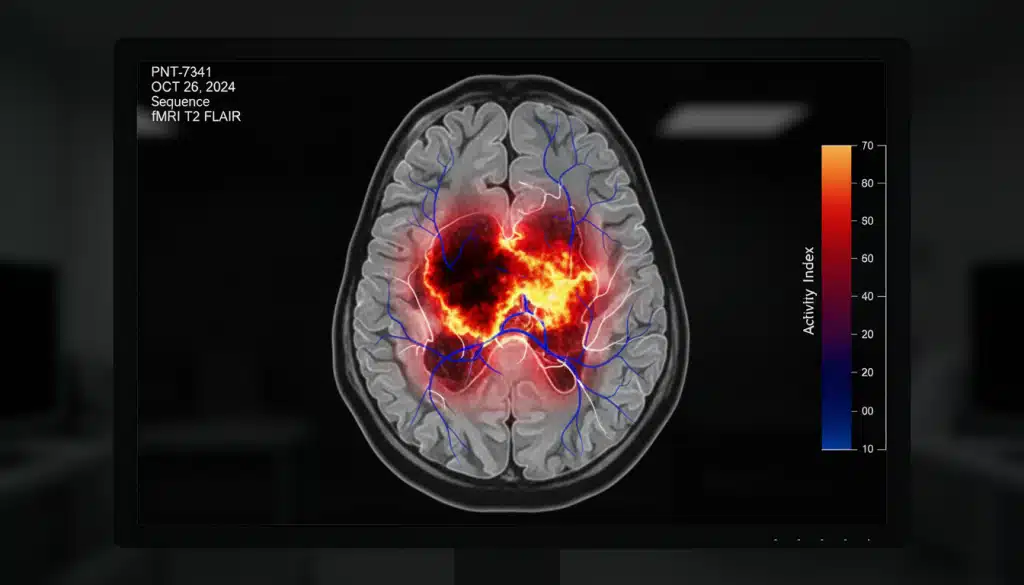
The hemorrhage happened on an ordinary day. No warning signs. No indication that life was about to split into “before” and “after.”
Within minutes, Sumer felt something terribly wrong—the kind of fear your body understands before your mind does. One second he was standing. The next, he was being rushed to the hospital.
Brain hemorrhage. Life-threatening.
He went into a coma that lasted nearly four months. Four months where his family and friends lived in the corridor between hope and heartbreak. Four months where every day was a question: Will he ever wake up?
Somewhere inside that dark, heavy silence, his body fought on.
His first sign of returning was tiny—his right fingers moved, like they were typing. That one twitch became the moment everyone realized he wasn’t giving up.
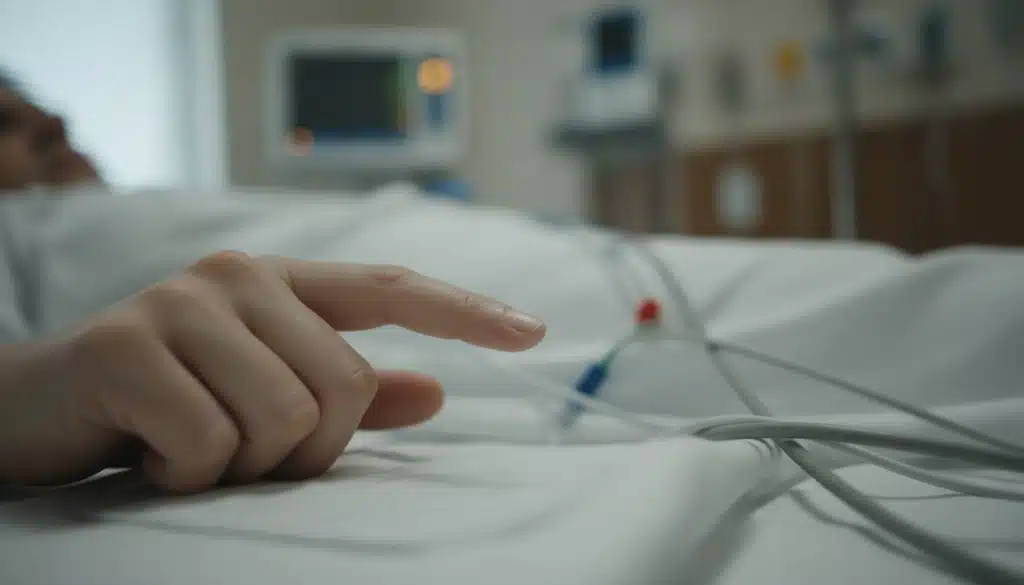
Doctors were cautious. Some even suggested that if he survived, he should think about slowing down, stepping back, maybe even retiring.
But Sumer had different plans.
Don’t ever give up
Waking up was not the end of the fight—it was the beginning.
His body felt unfamiliar. He had to relearn how to move, speak, and trust his brain again. Simple tasks became mountains: sitting up, holding a spoon, forming a full sentence without losing breath.
Some days the progress was sharp. Other days, nothing moved.
Recovery tested his patience more than the illness did. But one thought stayed with him.
“I have to return to the work I love.
Because purpose is what kept his spirit alive even in the coma.
His family was his anchor through every setback. Their belief filled the gaps where his confidence broke.
When he finally sent his first email, attended his first meeting, held his first long conversation—each moment felt like a new life being built from scratch.
Doctors told him to slow down. He did the opposite—he learned to pace himself and still move forward.
Fast forward to 2025
Today, five years later, life has fully returned to its earlier rhythm. Sumer attends meetings, leads conversations, travels, and works with the same passion—but with far more clarity and gratitude.
He does yoga, therapy, self-work. He savors every precious moment. He’s come to believe that recovery isn’t a finish line—it’s a mindset.
The work continues. Noble House thrives as part of India’s evolving gig economy.
“The 25,000+ freelancers and 15,000+ interim leaders in the network represent something larger than a business model—they represent the future of how people choose to work.” – Sumer
Sumer’s journey from a ₹500 startup in a garage to building India’s HR consulting DNA, then nearly losing everything to a brain hemorrhage, and finally rebuilding himself one email at a time—it’s a story about resilience, yes. But more than that, it’s about purpose.
Because when you know why you’re fighting, the how becomes clearer.
Rebuilding yourself is harder than building a global firm
Some people measure success by exits and valuations. Others by awards and recognition. Sumer measures it differently now—by the ability to show up, to contribute, to live with intention.
He’s rebuilt himself once. And knowing that gives him complete confidence in everything that lies ahead.
The future feels strong and steady. Not because the path is guaranteed, but because he’s already walked through fire and emerged with his purpose intact.
That’s the kind of strength that doesn’t come from a garage, a hospital bed, or a boardroom.
It comes from knowing that no matter what breaks, you can always rebuild—as long as you remember why you started.