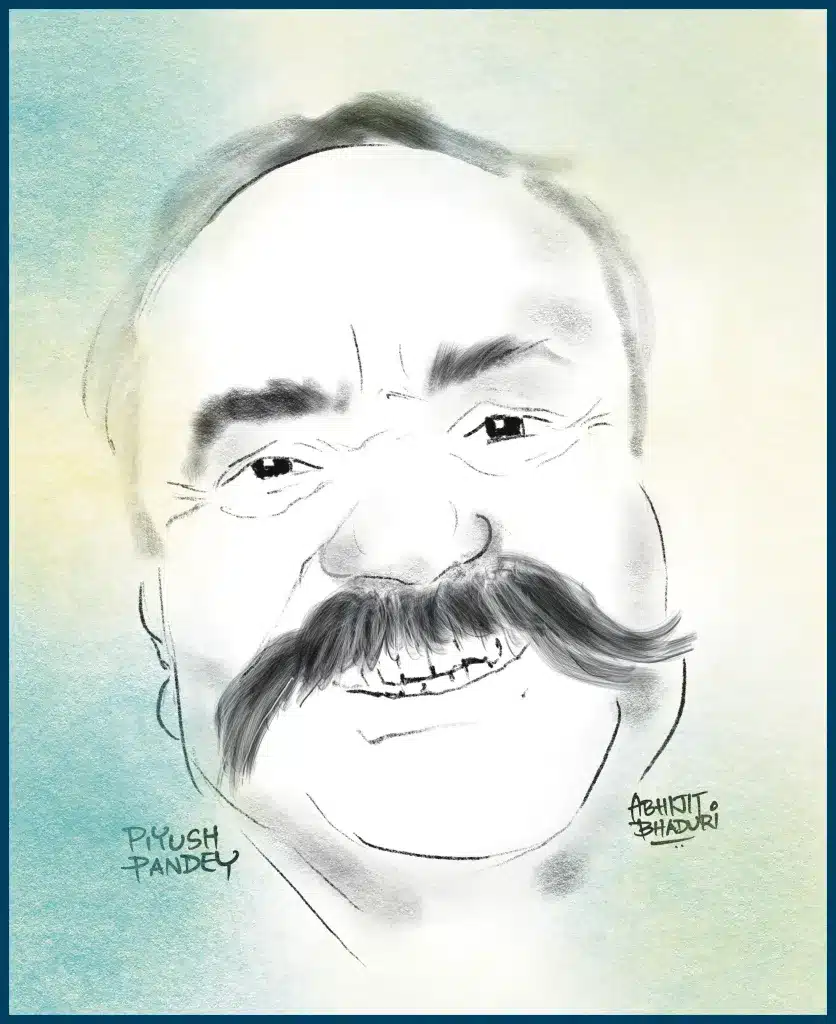
पार्टनर तुम्हारी मूँछें बहुत बढ़िया हैं। (Partner, tumhari mooNchhein bahut badhiya hain)
That was the first thing Piyush Pandey said to me when we met. It did not matter that we were competitors in the marketplace.
I was at Mudra, a part of the advertising community – where telling stories was the way to earn a living. But Piyush connected to the heart: he made Indians feel good about being Indian. With all our chaos and crowded buses. Whether it was the kid or the mother or the village, he made it stick.
“Fevicol ka Mazboot Jod” reflected his own bond with India. Fevicol made us laugh, yet it stood as a masterclass in brand consistency. He didn’t just sell ad campaigns, he made India forget polio with “do boond…”
In a world obsessed with borrowing, he picked up stories from everyday conversations. “Kya swaad hai zindagi mein”
And then came “Mile Sur Mera Tumhara” – a line so simple, yet so powerful, that it changed how Indians thought about themselves.
To move products is one thing.
To move a nation with storytelling is something else.
That was Piyush Pandey.
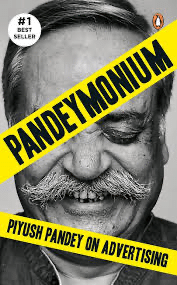
He wore his talent lightly. He titled his book Pandeymonium
Today, the world of advertising loses a legend – but I think lost a storyteller who made Indians walk with a swagger.
Rest in peace, “Partner”.
Thanks for the stories