
 The shelf marked Indian Fiction has been a comparatively recent happening. The list of Indian authors is growing. One could argue that the authors who write in English have had a little more visibility. Translations to English are getting popular. It is fair to say that the great Indian middle class has taken to writing and getting published in a big way. That’s a terrific thing to happen.The world of publishing is changing. There are two popular routes to see your book in print. You can mail your manuscript to one of the publishers and wait endlessly to hear from them. When most authors hear from publishers, it is usually a rejection letter and not the fat advance that they had expected.There is the do-it-yourself route to getting published. That means you decide to become your own publisher. It is a bit like printing invitation cards for your wedding. You count the number of guests who you know for sure will show up and then print a few extra just in case you need to hand them to someone who shows up.In self publishing you could keep a few copies in your bookshelf at home and then try and sell the rest of the copies to your friends and family. If they did not want to pay for it, you had to make a quick choice between gifting it to them free of charge and keeping the books at home. Some sites offer a print on demand facility.Then e-books happened. You could publish your book as an e-book. There was no danger of excess stock. The people could pay and download a book. Once a book notched up sales, a publisher could buy the rights and then you could sit back and watch the royalty cheque bloat up your bank balance.Notting Hill Press recently announced that they will offer established authors a chance to share their expertise while retaining control and royalties. In this model, authors pay nothing to the company and the publisher has no financial interest in the authors. It is a bit of a hybrid model.Chetan Bhagat’s commercial success made headlines when in 2009 he decided to quit his day job as an investment banker to devote his entire time to writing. His novels have been adapted for the silver screen. Chetan is a regular on the television channels holding forth on everything from education, movies, foreign policy and everything else in between.All was well in the literary world until Amish Tripathi wrote his Shiva Trilogy. The trilogy has sold more than one million copies over two years and notched up sales of Rs 22 crore. Like Chetan, Amish has given up his day job as a banker to stay at home and count the million dollars (Rs 5 crore) advance he has got for his next book. Is this something that happens only to bankers? Both Chetan and Amish were bankers before they declared writing to be their day job. I wonder if that is a coincidence…If you have been smitten by the celebrity lifestyle and the big bucks, it may be worth knowing about what kind of genres sell the most. I asked Karthika, publisher and chief editor of Harper Collins India a few questions. (Disclosure: HarperCollins has published my books and Karthika has edited them).
 What genres sell the most? What genres sell the least in India? Is this different for India as compared to other markets?Karthika: Commercial fiction a la Amish Tripathi and Chetan Bhagat sells the most by far. Poetry sells the least. This is also the pattern you would see in other English language markets.What is easier to get published – fiction or non-fiction?Karthika: There is no formula. It all depends on the book. The subject and writing style matter the most. If there are already several other books in the market you would find it harder to find a publisher who will take a bet on your manuscript.Poetry does not sell? Should I stop writing poetry? Karthika: Do not stop. It is hard to sell and market but there is a dedicated, even if small, readership, and a few publishing houses continue to bring out a few titles every year.How can I make out which publishing house is right for my kind of book?Karthika: Research the publishers’s backlist and find out what kinds of books they publish. Speak to other published writers and get a sense of editorial/distribution/marketing abilities of those that seem the right fit for your book, then approach the editor of your choice.How long do I have to wait after submitting my manuscript? Is it ok to mail a pdf or should I mail a printed copy?Karthika: I definitely prefer a hard copy because soft copy submissions are harder to keep track of and read at a stretch. You are always being interrupted by incoming mail etc.At least with a hard copy you can distance yourself from everything else and read and also pass (the manuscript) around to other editors should another opinion be required.One last thing … Amish Tripathi just got a million dollar contract. Should I too quit my day job and become a full time writer? Karthika: Not unless you have written and published a super successful trilogy already!What else should I have asked the publisher? Leave your questions in the comments section.———–Also read: What is the most difficult thing for a writer?Join me on Twitter @abhijitbhaduri
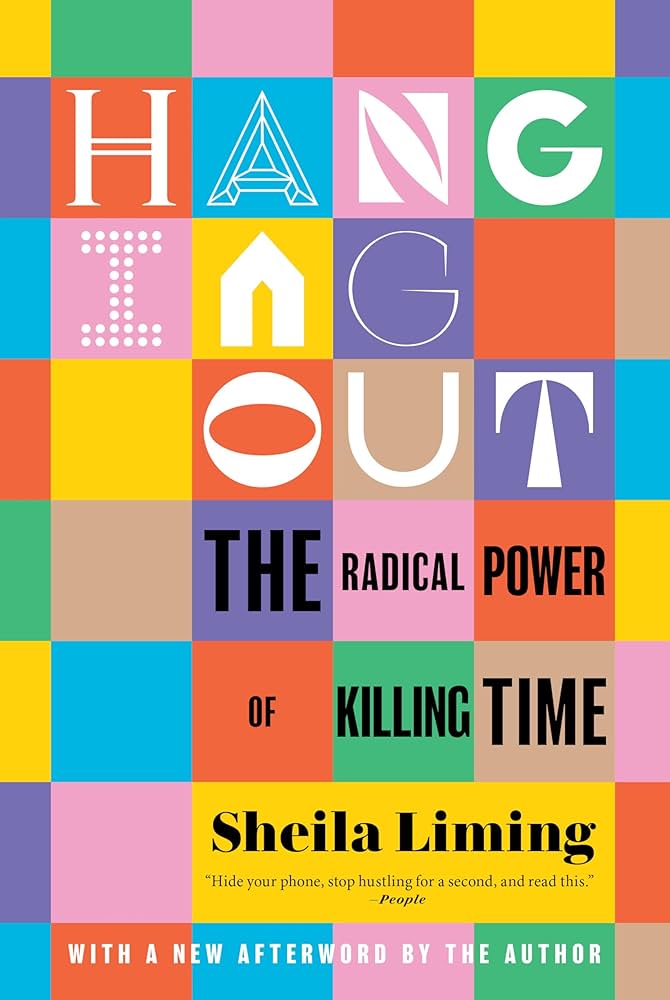
Book Review: Hanging Out: The Radical Power of Killing Time
The quiet catastrophe of not knowing how to simply be with each other without structure or agenda or what Sheila