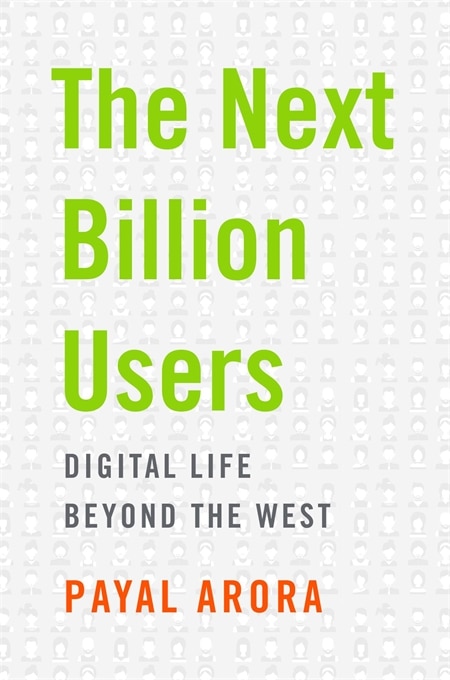
Dr. Payal Arora, a Professor at the University of Utrecht, doesn’t just study technology; she uncovers the startling human stories hidden beneath the algorithms. Her book, The Next Billion Users: Digital Life Beyond the West, is a necessary corrective to the Silicon Valley mindset, arguing that the future of the internet is being shaped by billions of new users in the Global South and they aren’t using it the way we think.
Should we shoot poachers in Africa?
Dr Arora asked her students how to stop elephant poaching in Africa? They suggested high-tech, AI-enabled drones programmed to shoot poachers on sight. Now, when asked if a drone should be allowed to shoot a man about to kill an endangered koala at Amsterdam’s railway station? The immediate response? A resounding “No,” citing human rights and legal process.
This is contextual empathy. The poachers are dehumanized because their reality – poverty, lack of employment, and desperation – is invisible. Dr. Arora, a digital anthropologist, uses this lens to dismantle the myths about digital adoption worldwide.
We assume people in poverty use the internet only for productivity (jobs, education), but Arora shows they are driven by the very human desire for leisure, pleasure, and connection.
She conducted years of fieldwork in Indian slums, Brazilian favelas, and Chinese factory towns to show what happens when the next billion users come online, and it’s a revelation for anyone in business, HR, or strategy.
Five Key Insights from a Digital Anthropologist
- The Frivolity of Purpose: The notion of the “Virtuous Poor” that the idea that people in poverty are only interested in education and utility—is a fiction. They flock to Facebook, games, and streaming because they seek “moments of pleasure and joy” to escape oppressive, non-digital realities. This “leisure divide” is what drives technology adoption, not just need.
- Privacy as Privilege, Visibility as Vitality: In the West, privacy is a battle against surveillance. For many in the Global South, where they are often unmapped and undocumented, visibility—on social media, through digital ID projects – is a form of recognition, legitimacy, and survival. They play with privacy, trading it for connection or opportunity.
- The Hustle of the Grey Economy: Innovation often emerges outside the formal system. Phenomena like “jugaad” (frugal, clever improvisation) and digital piracy aren’t criminal acts; they are often necessity-driven micro-entrepreneurship. From phone hacking to selling copied media cheaply, these acts ensure that scarce resources are maximized.
- Hacking the Social Ladder: Young people use platforms to aggressively curate an aspirational, cosmopolitan persona. They “friend” strangers from afar (like a boy from a slum friending a Brazilian girl) and create virtual profiles that defy the caste or class limitations of their real-world communities.
- Is the Teacher Obsolete?: Arora critiques the utopian idea that technology, like the One Laptop Per Child project or self-learning apps, can replace teachers and schools. She argues that these experimental “miracles” often fail because they ignore the need for human guidance and community support. Technology works best when it amplifies human capacity, not when it replaces it.
Workplace & Talent Strategies: Translating Global Insights
Dr. Arora’s work, which focuses on contextual intelligence and inclusive design, offers powerful, actionable lessons for HR leaders and executives building global talent strategies in the age of AI.
- Rethink the Talent Pipeline’s Filters: Your recruitment AI is likely filtering out high-potential talent based on “WEIRD” assumptions. If your algorithm prioritizes candidates who attended formal schools or lists “productive” hobbies, it’s missing resourceful individuals skilled in jugaad (improvisation) who learned through unofficial digital channels. Action: Design screening systems to value resourcefulness, self-taught skills, and complex problem-solving over formal credentials.
- Design for Fluidity, Not Fixity: Traditional HR systems assume “one user, one account, one job.” In emerging markets, employees, especially women, often share devices, juggle multiple gigs, or need flexible access. Action:Adopt identity management tools that support shared device usage and build flexible platforms that can accommodate “gig” workers or part-time talent who are essential to these economies.
- Prioritize Contextual Employee Experience (EX): Employee benefits and engagement strategies should account for real-world context. A remote working policy might fail if you don’t consider the lack of stable electricity (“idleness”) or the “surveillance of care” (family monitoring online activity). Action: Implement local-first EX strategies. For example, a “connectivity stipend” or investing in communal power solutions might be more valuable than a bonus.
- Leverage Digital Visibility for Recognition: For employees whose work is often invisible (like outsourced digital sanitation, data labeling, or remote moderation), recognition is critical. Action: Create formal programs to publicly celebrate the “invisible labor” that sustains your global operations. This visibility, rather than just pay, helps build dignity and combats the historic dehumanization of essential, low-wage digital work.
- Decolonize Your R&D and Design Thinking: When building products or services for global markets, don’t just use the Global South as a testing ground for Western ideas. Action: Establish co-creation hubs in these markets, hire local anthropologists and designers, and genuinely empower local teams to lead product development, allowing innovation to flow “up” (reverse innovation) to solve challenges that the West hasn’t even considered.
This book serves as a fantastic blueprint for companies looking to move beyond performative diversity and build genuinely equitable and profitable global businesses.
What is one corporate myth about global talent you would now challenge using these insights?