Learning should feel like a secret you’re dying to hear, not a lecture you’re forced to attend
Corporate L&D teams still believe that making the learner click the slides is proof of their learning. Meanwhile, outside the office, those same employees are consuming the most emotionally intelligent, visually rich content ever created – TikTok explainers, YouTube tutorials, Instagram storytelling, micro-podcasts, interactive threads.
It’s no contest.
Movies win. L&D loses. Not because Hollywood or Bollywood has better information, but because it has mastered the art of holding human attention.
And in an 8-second attention-span world, attention is the new currency of learning.
The future belongs to L&D teams who stop thinking like curriculum designers…
and start thinking like filmmakers.
Why This Shift Matters
A great filmmaker starts with a simple question:
What will make the audience care within the first five seconds?
Most learning teams start with:
“What are the learning objectives?”
That single difference explains why employees binge Netflix but avoid LMS notifications.
Filmmakers understand tension, narrative arcs, pacing, emotion, surprise, timing.
They know when to cut. When to pause. When to punch.
They shape information into a journey — not a lecture.
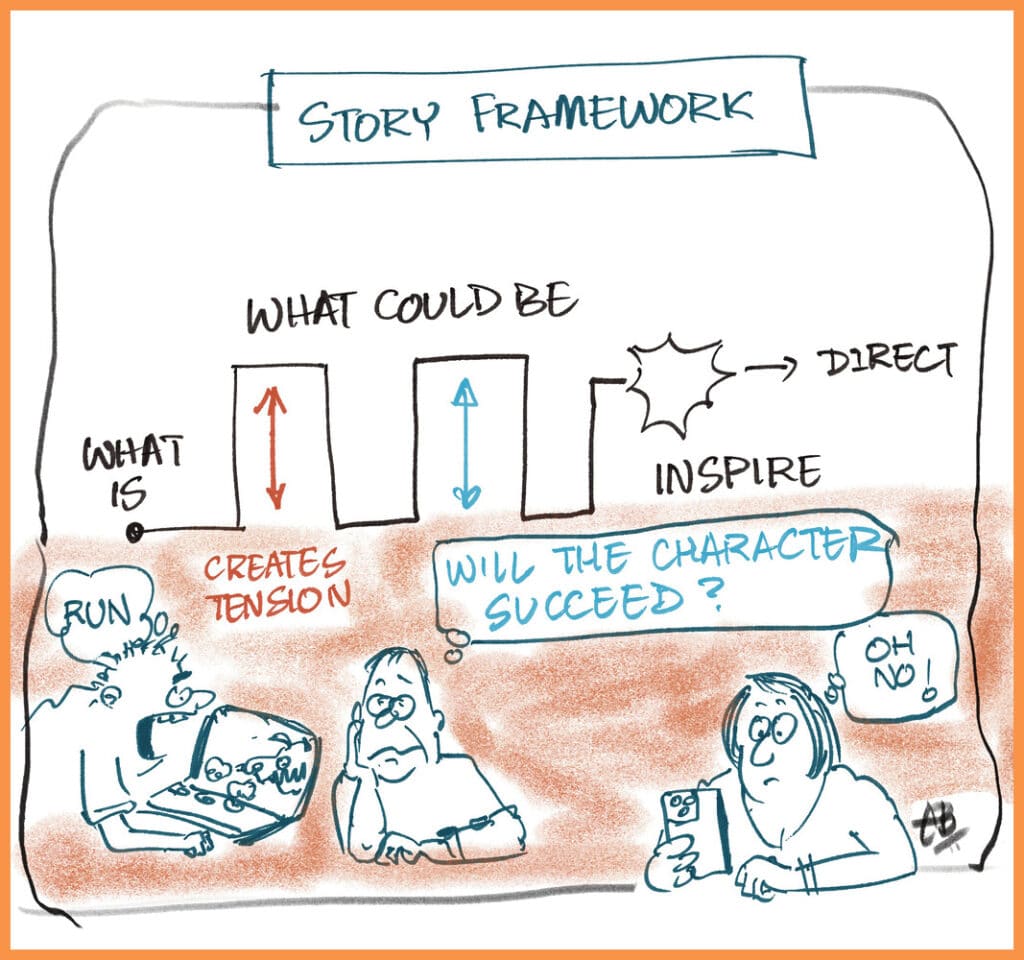
That’s exactly what modern learners need.
Because here’s the truth:
Adults don’t learn from information. They learn from emotion + relevance + timing.
When people care, they learn.
When people feel something, they remember.
When people can use it immediately, they change behavior.
Let’s build learning like that.
The Hidden Trinity of Magnetic Learning Content
Think of powerful learning as a three-act film:
Act 1 – Set up – the dreams of the protagonist
Show the learner a moment they recognize so vividly that they lean forward.
Act 2 – why the dream cannot happen
Reveal a new idea that reframes their world.
Act 3 — Takeaway:
Give them one clear action — the next right move.
Nancy Duarte calls this “contrast and next action.”

Design the learning experience to evoke mystery, laughter, fun, and human connection.
When you combine storytelling logic + the emotional resonance of your illustration – you get learning that feels alive. Now let’s get practical.
10 Ways to Create Learning Like a Filmmaker (Not an Instructor)
Each idea is built for real-world L&D teams and can be applied tomorrow.
Open with the chase
Filmmakers don’t warm up. They plunge you into the scene.
Learning should too.
Start with:
“You’re five minutes into a client meeting and this happens…”
Immediate relevance. Instant pull.
2. Make the Problem Undeniable
Show the frustration, the fear, the stuck moment.
If they can’t feel the problem, they won’t value the solution.
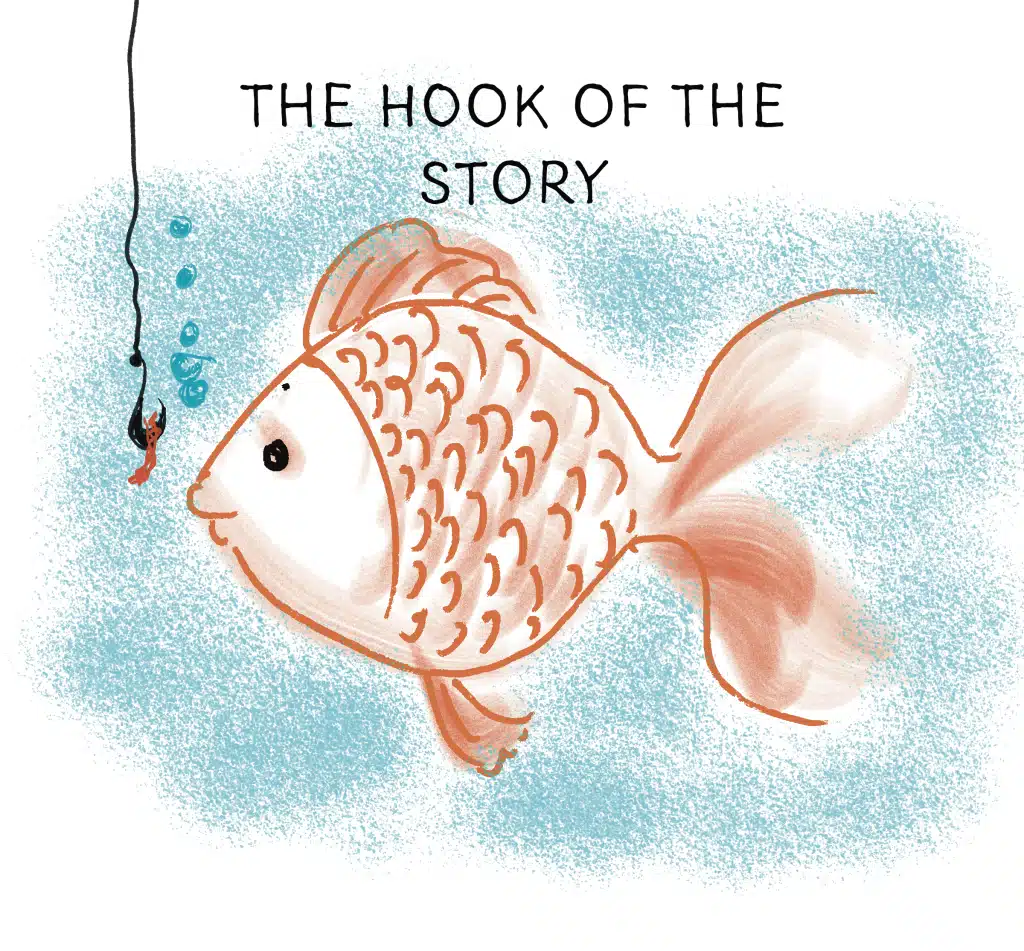
3. Use Mystery as a Learning Hook
Great films make you lean in.
So should your content.
Try:
“Here’s the one sentence that derails most feedback conversations.”
Curiosity is the engine of attention.
4. Replace Bullet Points with Micro-Stories
A bullet is a fact.
A story is a Trojan horse.
Stories slip learning into the brain without resistance.

5. Give Learners Choice
Just like a streaming platform, offer multiple pathways. For example
“Choose your toughest scenario:”
• Handling conflict
• Negotiating pricing
• Coaching under pressure
Choice = autonomy = motivation.
6. Design for 3-Second Understanding
If a slide or graphic can’t be grasped in 3 seconds, it won’t survive real work.
Duarte calls this visual hierarchy.
You call it reducing the cognitive load.
Same truth:
Clutter kills learning.
7. Add Role-Specific Flavor
Great films feel “lived in.”
So should learning.
Rewrite examples for:
• Sales
• Finance
• Tech
• HR
One idea → four contexts → four times the retention.
8. Use Humor as Cognitive Glue
Humor disarms the brain.
It makes learning feel safe, human, and memorable.
Your cartoon with the overloaded books?
Use it everywhere.
It’s relatable. It tells the truth. It sticks.
9. Show What Happens If They Don’t Change
Every film has stakes.
Every lesson should too.
Instead of:
“Here’s why listening matters.”
Try
“Here’s what happens when a manager interrupts too early…”
Stakes turn learning into urgency.
10. End With the “Next Right Action”
Filmmakers end with the emotional beat that lingers.
You end with the behavioral beat that changes tomorrow.
One action. One minute. One win.
Behavior change happens through tiny, immediate victories.
This Is the Future of L&D
Not more content.
Not more modules.
Not more slides.
But learning that is shaped like a story that is
• Emotional
• Context-rich
• Beautifully visual
• Story-driven
• Role-specific
• Human
Learning that whispers the right idea at the right moment –
the way a great film reveals truth in a single scene.
When L&D learns to think like filmmakers,
employees stop avoiding learning…
…and start seeking it.
Because finally –
learning feels like something worth paying attention to.
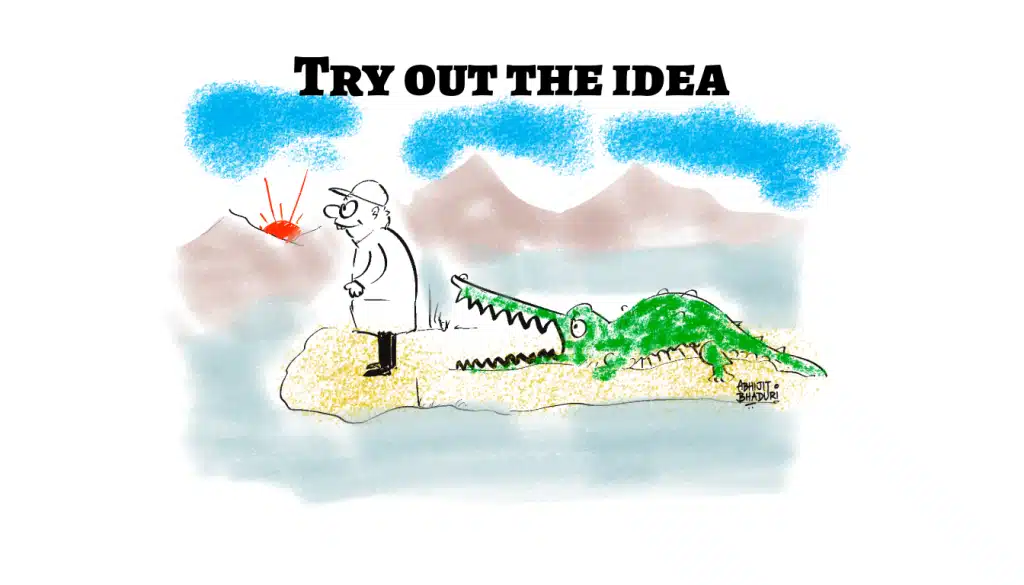
What’s the first five seconds of your next learning piece – write the exact opening line you’d use to make your audience lean in.
- “You’re 3 minutes into a client call when…”
- “Your deploy just failed and the dashboard shows…”
- “Your new hire asks a question you didn’t expect: ‘…’”
- “You’re about to hit ‘send’ when you notice…”
- “The customer goes quiet after you say…”
Which opener can you start MOST of your workshop designs with?