Day: November 6, 2025

  • How to use the Ikea Effect

    How to use the Ikea Effect

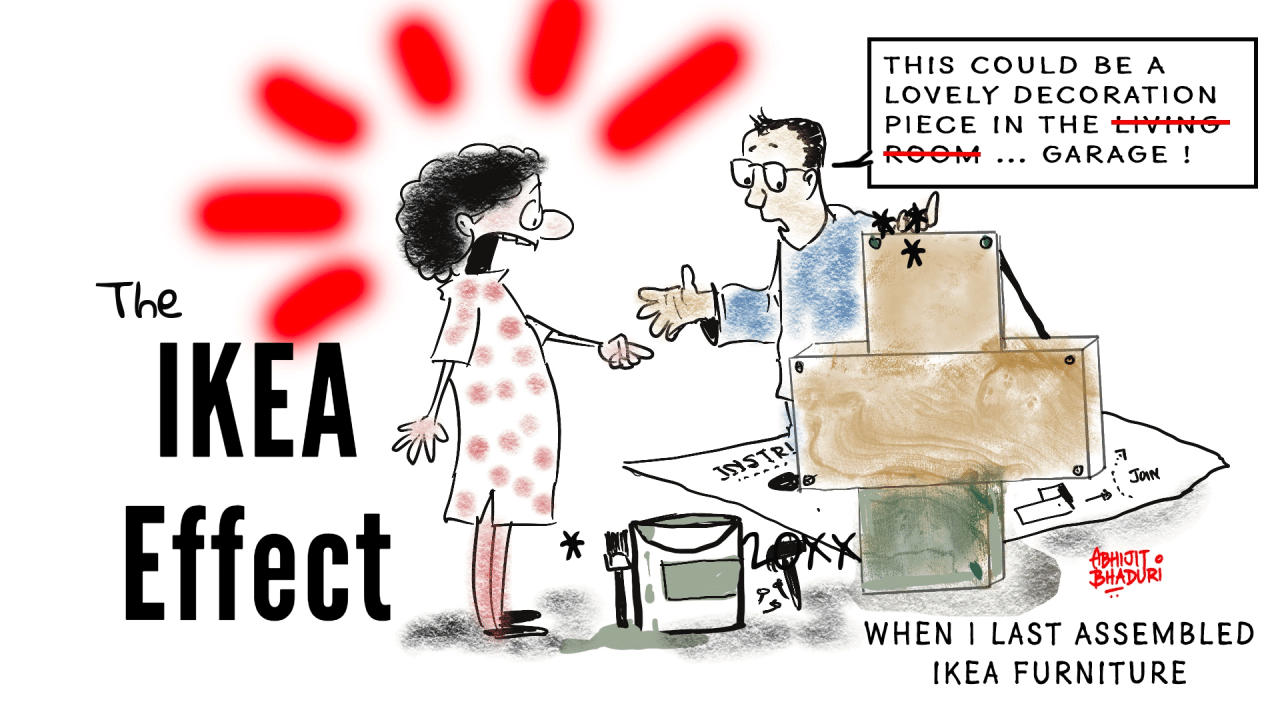
    A friend had invited me home for dinner. “I am making noodles,” he had texted me. He opened the door and invited me to his kitchen, opened a packet of instant noodles and served it. He had promised me noodles and he had made good. Why was I disappointed? Because I expected him to at least do something more. He could have chopped some vegetables or added a fried egg. He had not put in ANY effort to claim he had MADE the noodles.

    The egg and vegetables that I added made it MY COOKING

    Researchers have demonstrated that consumers place a higher value on products they have partially created or assembled themselves, irrespective of the quality of the end product. This phenomenon, where personal effort translates into increased perceived value and affection, was notably observed with simple tasks like assembling IKEA furniture or even folding origami.

    The Ikea Effect

    Applying the IKEA effect

    I had once worked with a client on redesigning their onboarding program. The receiving team designed the onboarding – not HR. They came up with clever ways to introduce the team to the new hire. They designed clever games to explain the org structure and the product line. In the process of designing this the team got fully vested in ensuring that the new hire was successful. It was way more fun than anything a centralized onboarding team designs.

    What if…

    Instead of the L&D team designing the workshop and facilitating it, letting the participants tweak the design, add to the examples and case studies could work wonders. We would stop having to issue mandates and diktats to the participants to attend the workshops and instead have them look forward to seeing how their work lands in the classroom.

    The IKEA effect is a fascinating finding. You buy a flat-pack wardrobe, spend hours deciphering cryptic instructions, fumbling with Allen wrenches, and perhaps even installing a piece backward. But once it’s finally standing, you look at it with a sense of accomplishment. It’s not just a wardrobe; it’s the wardrobe you built. You might even forgive its wobbly door more readily than you would a pre-assembled, perfect one.

    The IKEA effect is everywhere

    Knitting a Scarf: You could buy a beautiful, machine-knitted scarf for a reasonable price. But if you spend weeks knitting one yourself, dropping stitches, unraveling, and starting over, the finished product will hold far more sentimental value. It’s not just warm; it’s a testament to your patience and skill, a tangible piece of your time and effort.

    DIY Home Renovations: People often undertake home renovation projects themselves, even when hiring a professional might be quicker or result in a more polished finish. The satisfaction of tiling a bathroom floor yourself, painting a room, or building a deck isn’t just about saving money. It’s the pride of stepping back and saying, “I did that.” The imperfections become charming quirks rather than flaws.

    In every case, the IKEA Effect shows us that effort isn’t just about output; it’s also about input. The more we put into something, the more we value it, not necessarily because it’s objectively better, but because it carries the indelible mark of our own personal investment.

    How to get people to pay attention

    Attention is scarce. In a world overloaded with messages (social media, ads, noise), the hook is your gatekeeper. If you fail in seconds, you lose the chance. People don’t follow ideas—they follow people. The “mascot + conviction” combo anchors the message in a person they can invest in. Trust is the oxygen of influence. Without trust, your message is ignored or dismissed. But with it, even tough truths land. Stories move hearts; numbers move minds. You need both, but stories open the emotional door. Likeability softens resistance. When someone is witty, warm, or relatable, we forgive more and lean in more.

    Should you self-publish?

    Kevin Kelly is someone who knows a thing or two about publishing. But does he know enough about self-publishing? The answer is yes. I read his 16 page research on self publishing vs finding an agent.

    This cartoon is actually a one line summary of the 16 pages that Kevin Kelly wrote: First find out the size of your readership. Before that don’t write a book.

    Read about 1000 True Fans You Need Before You Publish

    Read about how to get people to pay attention

    Captions are auto generated

    PlayMedia is loadingPlayPlayLoaded: 0%0:00Stream Type LIVERemaining time -0:00 1xPlayback speedPlayback speed0. 5×0. 75x1x, selected1. 25×1. 5×1. 75x2xTurn closed captions offShow captionsUnmuteTurn fullscreen onFullscreenMedia player modal window

  • Job Descriptions Are Dead. How To Upskill?

    Job Descriptions Are Dead. How To Upskill?

    Your company’s ability to truly benefit from AI isn’t just a tech problem—it’s a people and learning challenge that requires a complete cultural and mindset reboot.

    October in San Francisco is always a whirlwind, and the SF Tech Week of 2025 was the decentralized brain of the tech world, drawing in the biggest names, from top investors to pioneering founders. The central question wasn’t about the next gadget, but the next generation of workers.

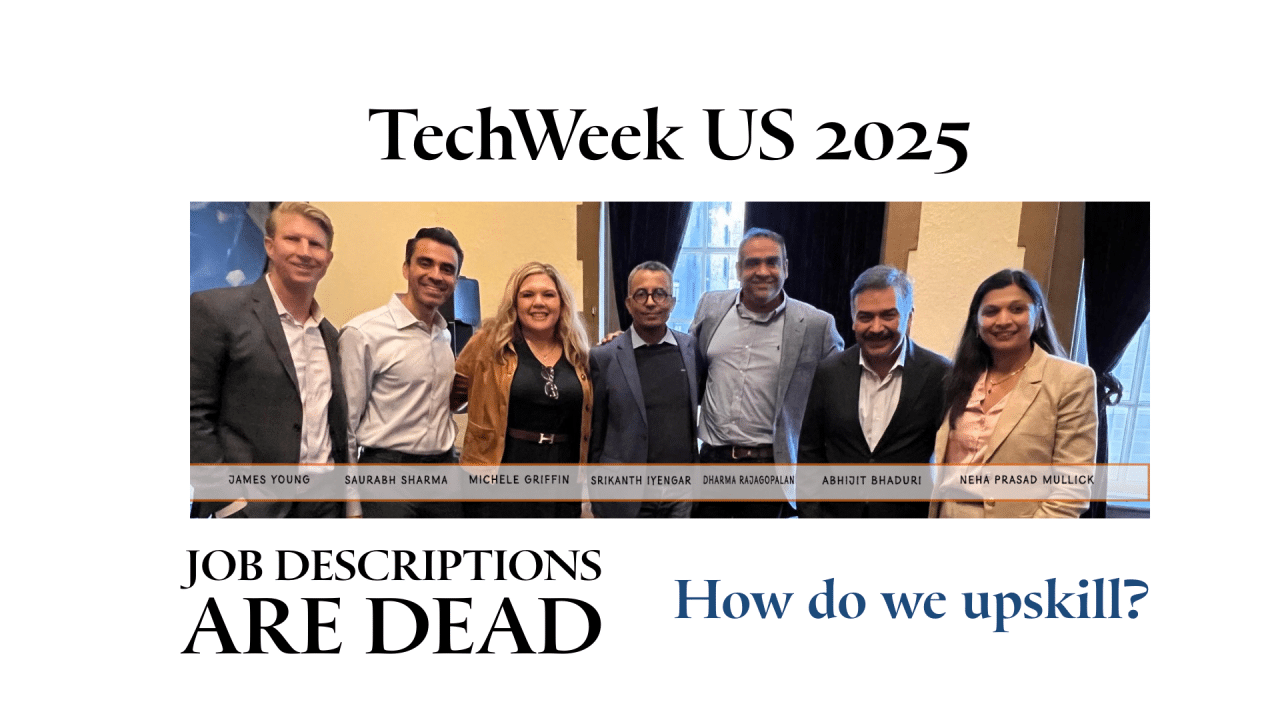
    upGrad Education —a recognized leader in enterprise upskilling—convened a phenomenal panel to tackle the most critical issue facing leaders today: Talent Readiness for the AI Era.

    upGrad Education released the The Workforce Wishlist 2025: United States of America – the CEO Srikanth Iyengar summarized the 3 biggest take aways. Wait for it.

    The Heavy Hitters: Who Was on the Field? (A Panel with Punch)

    Our session, expertly moderated by Michele Griffin (Founder, PremierGTM, and former a16z veteran), featured a dream team:

    James Young (Sr MD, Slalom)Saurabh Sharma (Chief Product Officer, You. com)Dharma Rajagopalan (SVP, Growth, Automation Anywhere)Yours truly! You can follow me on Linkedin

    The conversation was electric, focusing on how roles and talent strategies are evolving, what’s broken in traditional learning, and how companies can partner on talent readiness.

    Mindset is Your Most Valuable AI ‘App’ (Behavioral Insight)

    AI threatens the very core of our professional identity. In my segment, I shared my take on AI adoption through the lens of Behavioral Science, noting that AI can trigger the “threat response” in David Rock’s SCARF Model (Status, Certainty, Autonomy, Relatedness, and Fairness).

    As an employee, if AI makes you feel less important (Status) or unsure about your future (Certainty), you’re going to resist. That’s just human nature! We slow ourselves down without addressing those fears.

    Neha Prasad Mullick of upGrad hit the nail on the head:

    “Psychological safety drives adoption and sustainability — fostering an environment where employees feel safe to experiment, fail, and learn with AI accelerates personal growth and directly contributes to long-term business sustainability.”

    This requires reframing the employee’s identity. Roles are shifting from Fixed Jobs to a portfolio of fluid capabilities. Our job is to help people move up the three levels of AI skills: learning about AI, learning with AI, and using AI in reimagining work.

    Broken Models: Why Your Training is a Dinosaur (Data Analysis)

    We looked at the challenges in enterprise AI adoption. According to insights stemming from the UpGrad initiative, two key issues keep emerging:

    AI Transformation is often Tactical, Not Strategic: As Neha explained, “leaders need to integrate AI initiatives into their mid- to long-term strategic plans rather than treating them purely as short-term efficiency exercises.” If it’s just a quick fix, it won’t stick. The Content Gap: The traditional learning model is broken because it offers generic content. Users today are used to Hollywood-level content and storytelling. You can’t just offer a PDF and expect engagement. We must build confidence, not just skills, by fostering a culture where making mistakes is the path to fixing them.

    James Young Senior Managing Director from Slalom Marketing Consulting reinforced this, saying that AI has unlocked “a new dimension for just-in-time, personalized experiences at a scale previously not possible. ” If we’re still doing generic, once-a-year training, we’re missing the point.

    Learning’s Not a Lecture, It’s a Lifestyle (Action Steps)

    So, how do we fix the learning model? The best advice came from the audience and the panelists—a clear signal of what leaders should start, stop, and prioritize now.

    Dharmendra Sethi, CVP of GlobalLogic, summarized his takeaways perfectly:

    “Make learning a habit, not an event… Build a culture of continuous learning using nudge theory. ”

    The path to talent readiness is simple, but not easy:

    START by curating customized, role-specific learning pathways. STOP just rolling out tools. Instead, redesign workflows entirely. Dharmendra noted, “Tie learning to live projects and evolving roles so people reinvent how they work, not just what they click.”PRIORITIZE cross-functional collaboration. Measuring the true ROI of AI investments is complex and “demands coordinated effort across all business functions,” as Neha observed.

    This strategic shift is what unlocks growth. As Dharma Rajagopalan of Automation Anywhere put it, what’s exciting is that agentic automation is moving beyond cost savings:

    “We’re entering a new era where automation becomes a revenue driver — fueling growth, accelerating innovation, and helping teams deliver real, measurable impact.”

    The key to harnessing this potential? Collaboration—across enterprises, system integrators, and startups, ensuring the workforce is as adaptable as the technology itself.

    The future is collaboration between humans and with AI

    The future of talent is not about competing with AI; it’s about collaborating with it, which starts by prioritizing cultural and mindset change. Leaders must pivot from viewing training as a cost-center event to fostering a continuous learning habit built on psychological safety and personalized, context-driven content.

    I write about the intersection of leadership, learning, and future-of-work trends in my weekly newsletter. Don’t miss the next issue! Subscribe here.

    What is the one thing your company should stop doing today to truly prepare for the AI era? Share your thoughts in the comments below!

    The Workforce Wishlist 2025

    The CEO of UpGrad summarized the 3 ideas that caught his eye

    Captions are auto generated

    PlayMedia is loadingPlayPlayLoaded: 0%0:00Stream Type LIVERemaining time -0:00 1xPlayback speedPlayback speed0. 5×0. 75x1x, selected1. 25×1. 5×1. 75x2xTurn closed captions offShow captionsUnmuteTurn fullscreen onFullscreenMedia player modal window

    The 3 Big Take Aways

    Imagine if your adventure meant a broken spine, would you repeat the adventure?

    Abhilash Tomy is a two time circumnavigator of the globe. He spent more than 500 days at sea in a boat that just had power for a battery to power the satellite in case of a mishap. What happened then is unbelievable. Listen to this man on 15th Oct at 5pm India Time. Go to linkedin. com/in/abhijitbhaduri and find the top post and click “Join”

    Reading now

    Have you read this book? I just started. Will write a review soon. Read it first at https://www. abhijitbhaduri. com add your email and get all the stuff in your mailbox.

  • When “Fake” Becomes More Real Than Reality

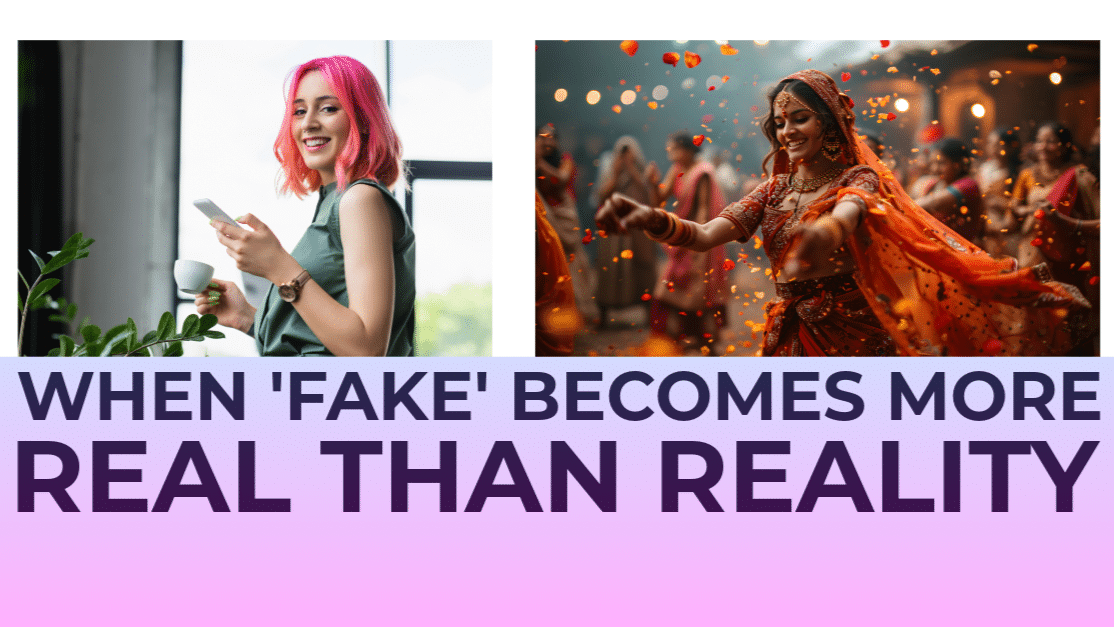
    When “Fake” Becomes More Real Than Reality

    The surprising connection between China’s “pretend to work” offices, India’s fake weddings, and America’s doom spending and what it reveals about the future.

    Picture this: In Beijing, a 40-year-old professional pays $4 to sit at a desk in an office called “Pretend to Work Co.” She’s not employed there. There’s no salary. But she shows up six days a week, working on her side hustle, surrounded by others doing the same. The founder jokes that one door labeled “Chairman’s Office” opens to the fire escape.

    Meanwhile in Delhi, thousands of young Indians are buying tickets (anywhere from $13 to over $100) to attend elaborate wedding celebrations. There’s a baraat procession, mehendi artists, choreographed sangeet dances, a staged varmala ceremony, and mountains of food. The only thing missing? An actual bride and groom. No one’s getting married. Everyone’s just there for the party.

    These aren’t isolated oddities. They’re signals of something profound happening globally.

    The Pattern You’re Not Seeing

    At first glance, these trends seem absurdly specific. But look closer:

    In Beijing: People pay to “pretend to work” In Delhi: Thousands attend weddings with no bride or groom In America: 1 in 5 are “doom spending” (making impulsive purchases driven by economic anxiety)

    What connects them all?

    The Numbers Are Staggering

    This isn’t fringe behavior. This is mainstream:

    $175. 8 million: India’s fake wedding market projected by 203219%: Americans currently “doom spending”70%: Chinese who own smartphones, turning attention into income through livestreaming

    Performance Without Reality

    Both trends involve people paying to perform traditional social roles without any of the actual commitment, obligation, or long-term consequences.

    In China’s “pretend to work” offices, people pay to occupy workspace and maintain the appearance of employment without actual traditional employment. But here’s what’s fascinating: the people in these offices aren’t pretending at all. They’re working hard (reinventing themselves, creating new businesses, or monetizing their temporary unemployment).

    Fake Indian weddings recreate all the elements of a traditional wedding celebration (the lights, outfits, music, food, and celebration) without an actual bride, groom, or marriage. They offer all the music, food, and celebration without the family politics or financial burden.

    The Radical Truth

    Here’s where it gets interesting:

    These “fake” experiences generate REAL:

    CommunityIncomePsychological benefitsOpportunities

    Meanwhile, “real” institutions:

    ExploitDisappointTrapBreak promises

    Which one is actually fake?

    What They’re Running From

    These trends are responses to real, crushing pressures:

    996 work culture (9am to 9pm, 6 days/week)

    Family pressure & judgmental relatives

    Financial burden of traditional milestones

    Systems that promise security but deliver burnout

    Since the pandemic, China’s economic slowdown has affected almost everyone. Real estate has slashed local government revenue, banks are lending less, and big tech companies have cut workforces for three years running. Mid-career employees face “the curse of 35” (being replaced with younger, cheaper workers).

    In India, traditional weddings are massive financial undertakings that can put families in debt for years. The wedding industry is worth $130 billion, but Gen Z is less tied to life scripts of marriage and property, yet maintains a strong desire for collectivity and structured social experience.

    “When the rules are rigged, people rewrite them.”

    What They’re Running Toward: The Great Unbundling

    For centuries, major life institutions came as package deals:

    Marriage bundled: romantic love + social status + financial security + family approval + legal benefits

    Work bundled: income + identity + daily structure + community + purpose + status

    You couldn’t pick and choose. You took the whole package or nothing.

    These trends represent modular identity consumption (picking which aspects of traditional institutions to experience without buying the whole package).

    Fake weddings extract:

    ✅ Celebration, aesthetics, community, Instagram content

    ❌ Lifelong commitment, in-laws, financial burden, legal entanglement

    Pretend work extracts:

    ✅ Structure, community, psychological benefits, networking, entrepreneurial support

    ❌ Corporate hierarchy, exploitation, burnout, powerlessness

    They’re not rejecting tradition. They’re REMIXING it.

    It’s Not Just Coping. It’s Cash.

    These aren’t merely psychological coping mechanisms. They’re economic engines.

    “Pretend to work” offices become:

    Content creation hubsReal business incubators

    One regular visitor, a mother of two who left her finance job, developed an adult product line while renting desk space there. She found support among people who would listen to her sales pitch and make suggestions. She comes in six days a week. The relationships are real. The business development is real.

    Fake weddings generate:

    Instagram contentInfluencer opportunitiesA $175M+ industry

    In China, nearly 70% of the population owns a smartphone. Livestreaming has become a monetization strategy where any attention is potentially monetizable (people can convert tips from virtual gifts into real money).

    The performance isn’t the end goal. It’s the funnel. The “fake” experience generates real content, which generates real attention, which generates real economic opportunity.

    The “performance” IS the product.

    The Bigger Picture

    These trends fit into a constellation of related movements sweeping the world:

    Tang Ping (Lying Flat) ↓

    Quiet Quitting ↓

    Doom Spending ↓

    YOLO Economy ↓

    Strategic Simulation

    Each one is saying: “I see through the promises.”

    Tang ping (“lying flat”) began trending in China in April 2021 as a rejection of 996 work culture, with people choosing to lower their professional commitment and prioritize psychological health over economic materialism. The phrase “quiet quitting” (doing only what one’s job demands and nothing more) became popular in the United States in 2022, thought to be inspired by the tang ping movement.

    Now we have “doom spending” (19% of Americans making impulsive purchases driven by fear and anxiety about the future). It’s the same logic as fake weddings and pretend work: if the future feels impossible, extract joy from the present.

    Consumer spending remains surprisingly high despite economic concerns, coining the term “YOLO economy” (an economy driven by consumers prioritizing today over the future). Fake weddings and pretend work offices are simply the experiential version of doom spending.

    Why “Fake” Experiences Feel More Real

    Here’s the paradox: these supposedly “fake” experiences often generate outcomes that feel more authentic than the “real” institutions they parody.

    Fake weddings don’t pretend to be real. Their purpose is not deception but design. They reveal that ritual need not be rooted in belief to be meaningful, offering rare opportunities for co-presence, role-play, and embodied participation for a generation negotiating solitude and digital fatigue.

    The irony isn’t cynicism. It’s armor. It lets people participate in cultural forms they grew up with while maintaining emotional distance from their most oppressive aspects. You can enjoy the spectacle of a wedding without submitting to family pressure about your own marriage. You can maintain work routines without surrendering to corporate exploitation.

    One anthropologist explained that pretending to work is a way to show you’re fed up with social norms while remaining psychologically attached to the idea of working. The very word “pretend” implies choice, giving people a sense of control even as it exposes their vulnerability.

    This is a collective pretense among people who are jobless or unable to see a future in traditional corporate life. People feel solidarity by coming together, developing mutual understanding of their situation.

    The Content Economy Connection

    Remember: China has the second-largest consumer market in the world, and any attention is potentially monetizable. People film unemployed couples dumpster diving or stage performances of going to the office, applying the same logic: more likes, more followers, more potential tips.

    The creator economy is projected to grow from $191 billion in 2025 to $528. 39 billion by 2030, with 41% of U. S. social media users attending in-person influencer events in the past year.

    We’ve moved beyond just documenting experiences. We’re now creating experiences specifically for documentation.

    We’ve moved beyond just documenting experiences. We’re now creating experiences specifically for documentation. Fake weddings are designed to be Instagram-worthy with stunning decor, choreographed dances, and photogenic moments everywhere, with hashtags going viral. This isn’t vanity. It’s strategy.

    Documentation and sharing of experiences are as important to millennials as the experience itself. But the solution wasn’t rejecting technology. It was using technology differently. The fake weddings and pretend work spaces perfectly capture this duality: they’re real-world, embodied experiences specifically designed for digital sharing.

    What This Really Means

    This isn’t cultural decay. It’s strategic adaptation.

    When traditional paths feel blocked and systems feel rigged, conscious performance becomes a form of agency.

    These trends represent a generation saying: “We understand the game is fixed. We know the institutions that stabilized our parents’ lives won’t stabilize ours. We see through the promises. And we’re not willing to sacrifice our entire lives for systems that will discard us anyway.”

    But rather than pure nihilism or withdrawal, they’re doing something more sophisticated: they’re performing the aesthetics of traditional life while maintaining emotional and economic optionality.

    When systems feel broken, conscious performance becomes agency.

    They’re not deluded. They’re radically present to the absurdity and choosing to play on their own terms.

    The genius is that these “fake” experiences often generate real community, real income, real psychological benefits, and real opportunities (making them more authentic than the “real” institutions they parody, which increasingly feel like the actual frauds).

    The Future: What Comes Next

    These trends aren’t going away. They’re early indicators of fundamental shifts in how we’ll organize social and economic life.

    Expect to see more institutions get unbundled. We’re moving toward a world where you can:

    Rent community without commitmentPurchase celebration without obligationPerform identity without permanenceExtract meaning without entrapment

    The traditional life script (education, career, marriage, homeownership, retirement) is already fractured. These trends show what people build from the pieces: temporary, performative, monetizable experiences that provide some of what traditional institutions promised without the burden.

    The Deeper Question

    These trends force us to ask: What is “real” anyway?

    Is a fake wedding where everyone feels genuine joy less real than a traditional wedding where the couple divorces in two years? Is pretending to work while building a real business less authentic than quiet quitting at a corporate job you hate? Is doom spending on experiences that create memories and content less valuable than saving for a retirement you’re not sure you’ll reach?

    Maybe what we’re witnessing isn’t the rise of “fake” anything. Maybe it’s the collapse of the pretense that traditional institutions were ever as real as we claimed.

    The wedding was always a performance. Work was always a constructed identity. The difference now is that people are performing consciously, choosing which scripts to follow, maintaining the right to rewrite or exit at any time.

    In a world where authenticity feels impossible and traditional paths feel like traps, strategic simulation might be the most honest response available. Not because it’s “true,” but because it’s true to the reality of living in late capitalism’s endgame (where everything is performance, attention is currency, and the only winning move is to play the game on your own terms).

    These people aren’t deluded. They’re not checked out. They’re radically present to the absurdity of modern life and choosing to extract whatever joy, community, and opportunity they can from the rubble of broken promises.

    And honestly? That might be the sanest response possible.

    What’s your take?

    Have you noticed similar patterns in your industry or community? Are we witnessing cultural decay or cultural evolution?

    Drop your thoughts in the comments. I read EVERY one.

    Want to go deeper? I’ve created a comprehensive analysis with full data and additional case studies. https://www. abhijitbhaduri. com
  • Skills age like milk, not wine

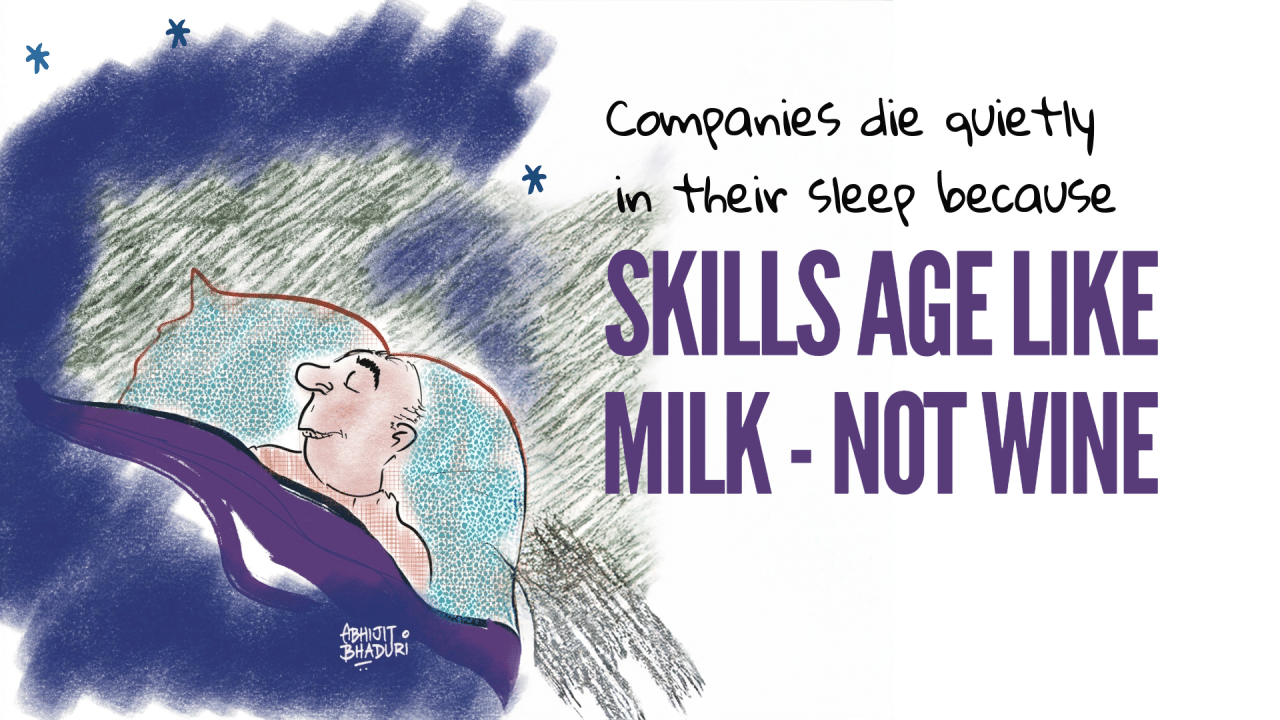
    Skills age like milk, not wine

    When medieval European mapmakers encountered blank spaces on their maps – areas they knew existed but had little concrete knowledge about – they would often populate these unknown regions with drawings of fantastical beasts, sea monsters to show the area remained to be explored.

    See content credentials

    When organizations encounter territories they don’t understand—whether it’s customer behavior in new markets, the impact of emerging technologies, or the true drivers of employee engagement—they tend to fill these voids with familiar frameworks and conventional wisdom rather than acknowledging uncertainty. This false confidence in imaWhen medieval European mapmakers encountered blank spaces on their maps – areas they knew existed but had little concrete knowledge about – they would often populate these unknown regions with drawings of fantastical beasts, sea monsters to show the area remained to be explored.

    The most successful organizations learn to resist this impulse, instead marking their knowledge gaps clearly and investing in the patient, systematic exploration needed to map their business terrain accurately.

    The CEO of UpGrad Srikanth Iyengar and I chatted about the skilling strategy for the current times we live in.

    A Map or Just a Compass?

    A Chief Learning Officer (CLO for short) is the map maker who sees the terrain ahead, redraws the map in real time, and helps your people find paths no one else has walked. Training helps you navigate today. A CLO helps you survive and adapt to changes.

    See content credentials

    What World Is Your Learning Strategy Built For?

    The world has shifted under our feet:

    AI is already sitting in your business, making half your workforce wonder if they’ll be relevant next year. The winners will be the ones who teach people to partner with machines, not resist them. Your best people are not only hunting for pay raises. They’re hunting for growth. If they don’t see a future inside your company, they’ll make one outside of it. Complexity has collapsed the walls between functions. Finance can’t pretend marketing doesn’t exist. Operations can’t ignore technology. It is world where we need multidisciplinary thinkers.

    Your training department wasn’t designed for this world. It was built for a world that no longer exists.

    Does Every Company Need a CLO?

    Not at all. Some firms are simply too small—for now. If you’ve got 50 people, a C-suite learning role might not make sense. But if you’re planning to scale, put it on the roadmap.

    Some leaders don’t see the difference. They confuse training with transformation. That’s like confusing a bicycle and a motorcycle because both have wheels. The power gap is massive.

    And yes, some leaders get spooked by the price tag. A great CLO costs a lot. But the real cost is invisible: the revenue you miss, the talent you lose, the opportunities that slip through your fingers.

    When do really need a CLO?

    You need a CLO when digital transformation is not just an initiative but a bet-the-company moment. Here are questions my clients have asked me.

    Can’t AI Do This Job Instead?

    AI is a brilliant assistant—it can personalize training, crunch data, and deliver content at scale. But it can’t decide who to develop, which capabilities you’ll need next year, or why those choices matter.

    The CLO can work with a team that can leverage AI. To influence the culture, you need humans. The CLO needs to influence and persuade the CXOs and the rest of the organization. Today we need to build the skills at speed and scale.

    For example using “failure stories” – not case studies of successful sales to build consultative selling skills.

    Consultative selling improves dramatically when people understand the gaps between what they thought they heard and what the client actually needed. These post-mortem conversations—conducted months later when emotions have cooled—reveal the difference between surface-level pain points and deeper systemic issues that salespeople missed during the original process.

    Fractional or Full-Time: Which One’s for You?

    Fractional CLOs are perfect if you’re midsized (500–2,000 employees), in transition, or want C-level thinking without the full-time cost. They build foundations, design roadmaps, and guide pivots.

    Full-time CLOs make sense if you’re large, global, or complex; if the cost of being behind is measured in millions, not thousands; or if you’re in an industry where continuous capability building is survival, not strategy.

    What Makes a CLO Worth It?

    Look for someone who speaks two languages:

    (i) The language of science of adult learning

    (ii) The language of behavioral science used to design learning experiences. Not just someone who buys content.

    What Does Success Look Like?

    Learning and culture change are joined at the hip. Here are some measures I have used with my clients.

    Cross-functional project success rates and speed – Measure how quickly teams from different departments collaborate effectively on new initiatives. Internal mobility vs. external hiring ratios for senior roles – Track what percentage of leadership positions are filled internally versus through external recruiting. Recovery time from failed initiatives – Track how quickly teams bounce back from setbacks and apply lessons to new projects.

    What Should You Do Next?

    Ask yourself: is your learning function building competitive advantage or just checking compliance boxes? Are you preparing for tomorrow or clinging to yesterday? Then choose by starting with aFractional CLO to build the base. Then hire a full-time CLO to drive transformation.

    The future belongs to those who learn faster than the world changes. Everyone else is just waiting to be overtaken.

    Let me know what you think?

    Monocultures are built on the obsession with efficiency

    In California’s Central Valley, you’ll find miles upon miles of almond trees—so many that the state now produces more than 80% of the world’s almonds. On the surface, it looks like a triumph of modern farming. Every acre is optimized, every tree planted in straight, orderly rows. Yields are higher than ever.

    But there’s a hidden cost. Almond trees can’t pollinate themselves. They depend on honeybees. And because these orchards are vast monocultures, they offer bees just one type of food, for a few weeks each year. To meet demand, farmers truck in millions of bees every spring, hauling them across states. The bees work intensely for that short window, often under stress from pesticides and the exhausting travel. The result is that bees are dying.

    See content credentials

    This is the downside of efficiency. Putting all the eggs in one basket. Trimming out all fat in the system to focus on efficiency – but at what cost?

    That is the problem with the obsession with efficiency. Relentless efficiency demands leave no space for exploration, reading, or skill development. When every minute must justify immediate productivity, innovation suffocates. Employees become disengaged task-executors rather than creative contributors. True progress requires breathing room—time for curiosity, learning, and experimentation that efficiency metrics can’t measure but organizations desperately need.

    Read more from this book https://abhijitbhaduri. com/2025/09/02/book-review-when-more-is-not-better/

  • Musician

    Musician

    You listen to music. When a trained musician listens to the same music, does he or she hear more than what you and I hear? I am always impressed by guitarists who can figure out the chords of a song that they have never heard before. I am awestruck by it.

    My dad taught me how to recognize ragas of Indian Classical Music. Here is how you can learn about it too: Click this

    How often have we looked at someone else’s job and declared pompously that we could do that job without any effort. I certainly have been guilty of doing that. That is the arrogance of the amateur. As amateurs whenever we have attained a little skill, we start to see ourselves as within reach of being seen as world class.

    The brain changes based on the training

    The hippocampus of the cabbies in London changes based on the effort they put in to clear The Knowledge.

    The musicians notice more nuances. In this video, go to 3:30 min of the video and watch what happens when a band member listens to the same clip that a regular fellow just heard. They notice the instruments and what each instrument sounded like and what the interrelationship was between the instruments.

    Repetition and practice changes the brain according to the needs of the profession.

    The rule of 3 in a song

    If our lives had a soundtrack, the special occasions would be marked by songs. The moments of agony and ecstasy all have songs linked with the moment. Why is every song not equally memorable? In this video watch the science of writing lyrics.

    There is the Rule of Three in lyric writing. What is it? And how does the tone and chord get matched to the lyric?

    Ecosystems, Ecosystems, Ecosystems

    Having published six books, I know that writing is not the solitary activity it is made out to be. The writer is just one part of a complex ecosystem. successful writers know that they need to manage the ecosystem to be successful. Think of the number of people who come together to bring a book to the bookstore

    Author: The core of the ecosystem, responsible for crafting the story. Literary Agent: Represents the author and helps secure a publishing deal. Editor: Works with the author to refine the manuscript and ensure it’s ready for publication. Publisher: Invests in the book, handles production, and manages distribution. Marketing and Publicity Team: Promotes the book to readers through various channels. Booksellers: Sell the book to the public. Readers: The ultimate audience and the driving force behind the entire ecosystem.

    This is a simplified view, of course. There are many other players involved, such as designers, typesetters, printers, and reviewers.

    Mapping Your Career Ecosystem

    Here are steps you can follow to map your ecosystem.

    Identify the Core Role: Start with the specific job title you’re interested in. Branch Out: Research the roles directly connected to the core role. Who do they interact with daily?Expand the Network: Explore the broader industry. What other professionals and organizations influence the field?Analyze Relationships: Understand the dynamics between different roles. Who holds power? How do decisions get made?Visualize the Ecosystem: Create a diagram or mind map to visualize the connections between different players.

    Why is it important to map your professional ecosystem?

    Mapping your professional ecosystem can help you:

    Identify opportunities: By understanding the different players in your ecosystem, you can identify new opportunities for collaboration and growth. Build stronger relationships: Getting to know the people in your ecosystem can help you build stronger relationships, which can lead to new projects, referrals, and even job offers. Stay ahead of the curve: By keeping track of the latest trends and developments in your industry, you can stay ahead of the curve and ensure that you’re always relevant.

    As a transitions coach I find it useful to get a new hire familiar with the ecosystem they are supposed to manage. It helps the new manager hit the ground running in a shorter time. In case of a senior executive getting the person to start even a month or two ahead of the normal “settling down” can pay for the cost of a transition coach.

    Do you use transition coaches for new hires?

    Listening now

    Listen to a chat with Richard Feynman. It is so fascinating to hear the voice of the man himself.

  • Why you must ignore recommendations

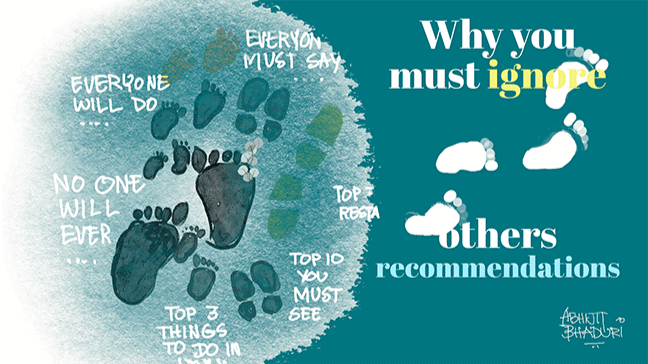
    Why you must ignore recommendations

    1. The Echo Chamber Effect: Algorithms love to keep you comfortable, feeding you content that aligns with your existing beliefs. This creates an echo chamber, limiting your exposure to diverse perspectives and stifling intellectual growth. Remember that time you kept getting recommended the same type of vacation spot, even though you secretly yearned for something different? Break free and explore the world beyond the algorithm’s curated reality.

    2. The Filter Bubble Blues: Algorithms filter information, showing you only what they think you want to see. This can lead to a skewed worldview and missed opportunities. Think about your LinkedIn feed. Are you only seeing posts from people in your industry? Step outside your bubble and connect with people from diverse fields to spark unexpected collaborations and ideas.

    3. The Tyranny of the Average: Algorithms cater to the average user, neglecting individual nuances and preferences. This can lead to generic recommendations that fail to inspire. Tired of the same old songs on repeat? Your music algorithm might be keeping you stuck in a rut. Check out five ways you can beat the algorithm when it comes to music

    4. The Illusion of Choice: Algorithms offer a curated selection, creating an illusion of choice while limiting your options. This can lead to decision paralysis and a sense of being trapped. Remember when you spent hours scrolling through endless movie recommendations, only to feel overwhelmed and settle for something you’d already seen? Break free from the paradox of choice and actively seek out hidden gems.

    5. The Homogenization of Taste: Algorithms promote conformity, pushing everyone towards the same trends and preferences. This can lead to a loss of individuality and cultural richness. Ever noticed how everyone seems to be wearing the same clothes or listening to the same music? Resist the urge to follow the crowd and embrace your unique style.

    6. The Manipulation Machine: Algorithms can be used to manipulate your emotions and behavior, influencing your choices in subtle ways. Remember that time you impulsively bought something online because the algorithm showed you a limited-time offer? Be aware of these tactics and make conscious decisions based on your needs, not external pressure.

    7. The Data Dependency Dilemma: Algorithms rely on your data, creating a dependency that can erode your privacy and autonomy. Think about how much information you share online. Are you comfortable with algorithms tracking your every move? Take control of your data and set boundaries to protect your privacy.

    8. The Creativity Killer: Algorithms prioritize efficiency and predictability, stifling creativity and spontaneity. Remember that time you followed a recipe recommended by an app, only to end up with a bland and uninspired meal? Embrace the joy of experimentation and create something truly unique. Pause and watch the unusual – like this elephant on the road. 🙂

    9. The Serendipity Snatcher: Algorithms eliminate the element of surprise, robbing you of serendipitous discoveries and unexpected joys. Think about the times you stumbled upon a hidden gem while browsing a bookstore or exploring a new city. Embrace the unknown and allow yourself to be surprised.

    10. The Algorithmic Anxiety Trap: Constantly seeking validation from algorithms can lead to anxiety and a sense of inadequacy. Remember that time you felt disappointed when your post didn’t get enough likes? Focus on creating content that is meaningful to you, not chasing algorithmic approval.

    Embrace the Beauty of a Pause

    In a world increasingly driven by algorithms, it’s crucial to remember that we have the power to choose. That means you have to slow down and pause to look around. By actively shaping our choices, experimenting, and exploring beyond the recommendations of algorithms, we can live richer, more fulfilling lives. So, the next time an algorithm whispers a suggestion, ignore it. Take back your own right to choose.

    I have restarted a new blog on substack <

    German are taking more sick days than ever

    Intel is no longer inside the Dow Jones

    NVIDIA is replacing Intel Corporation on the Dow Jones Industrial Average, ending a 25-year-run for a pioneering semiconductor company. This is a sign that the AI era is truly here and Intel needs to regain its paranoia to get back into the race.

    “Only the Paranoid Survive” said Andy Grove the former CEO of Intel Corporation. Their famous campaign Intel Inside is a reminder that even the best have to work hard to stay relevant.

    For now, it is Intel Outside.

    Thanks for reading my labor of love. I would love to hear from you about what you like or don’t like about this newsletter. Email me at abhijitbhaduri@live. com

  • Want to add fun to your job? Try Job Crafting

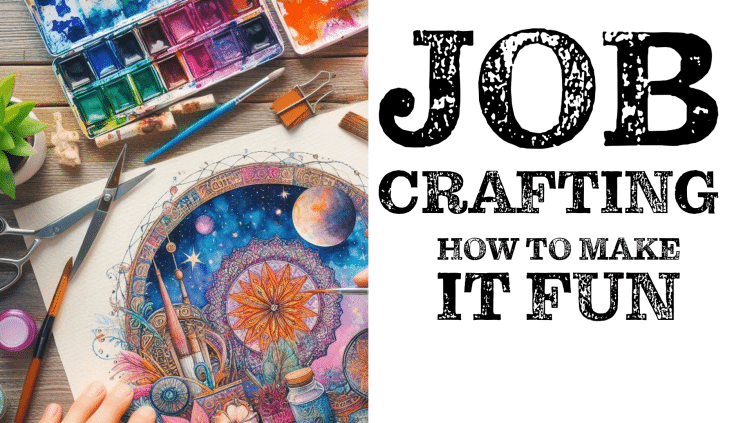
    Want to add fun to your job? Try Job Crafting

    Many professionals talk about feeling stuck in their jobs. They lack the motivation and inspiration that once drove them to excel. That’s where job crafting comes in.

    Have you ever felt like you’re just going through the motions at work? You’re not alone. I recently saw this happen to Rashmi, when she approached me. Despite winning every award and taking on more responsibilities in her team for three years, she felt that she was stuck in a meaningless role. It was a clear sign that something was not right.

    According to Gallup’s 2024 State of the Global Workplace report, a staggering 62% of employees are not engaged, and 15% are actively disengaged, costing the global economy $8. 9 trillion annually. Many professionals talk about feeling stuck in their jobs. They lack the motivation and inspiration that once drove them to excel. That’s where job crafting comes in.

    Listen to this

    Reduced Productivity and Performance

    Disengaged employees are less likely to put in effort, take initiative, or go above and beyond in their roles. They tend to do the bare minimum, which directly affects their productivity. Disengaged employees might also find it more challenging to reengage later or transition to new roles that require higher levels of enthusiasm and commitment. Their disinterest often leads to:

    Lower quality of workFrequent mistakesMissed deadlines

    It’s about making conscious changes to at least one of three key elements: tasks, relationships, or perceptions. Here’s how you can do it

    Identify Tasks That Energize You

    Think of your job like a meal. There are always some dishes that are more enjoyable than others. We tend to enjoy tasks that we’re skilled at. If more than two-thirds of your job demands skills you don’t have yet, it can lead to exhaustion.

    Explore other tasks within your organization that could make your job more interesting. Can you delegate or eliminate tasks that drain your energy and focus on those that energize you? For Rashmi, managing a team left her little time for coding, something that truly energized her.

    2. Find People Who Inspire You

    There are people who energize us with their positive outlook and enthusiasm. Try to find ways to collaborate more with them. Rashmi, for instance, enjoyed mentoring new hires. Making that a part of her job was a win-win – it was appreciated by the new hires and certainly energized Rashmi. Networking with colleagues from other divisions or departments can also help you learn new skills and make new friends.

    3. Think of the Impact of Your Job

    Sometimes, all it takes is a different perspective to change how you feel about your job. A meeting with the CEO helped Rashmi understand the strategic importance of her project.

    An experienced colleague or mentor can also help you see the impact of your work. For example, if your job involves preparing reports, reframing your job as helping the leaders make different decisions can reframe your job. Reflect on how your efforts impact others or contribute to a larger goal. I once met a young man who worked at a cafe. He said, “A tasty meal served in a dirty cafe is not going to bring in customers. The chef and I have equal responsibility to make our cafe the best. ”  Try to redefine your job, and it might just change how you feel about it.

    Stress and Burnout are Symptoms

    Disengaged employees may feel dissatisfied but may stay in the role due to financial needs or a lack of alternatives. Over time, this tension between staying and not caring about the work builds up, resulting in:

    Mental fatigueEmotional exhaustionPhysical symptoms like headaches or sleep disturbances

    Rashmi’s story has a happy ending. She’s now leading one of the biggest projects at her company and is back to being the superstar she’s always been. Job crafting isn’t about waiting for someone else to make changes for you. It’s about taking initiative and making conscious choices to create a more fulfilling job. By taking small steps towards aligning your job with your strengths, passions, and personal objectives, you can start to feel more engaged and fulfilled. So, why wait? Start crafting your dream job today.

    A version of this was published by Times of India on 16 October 2024 for their Ascent page

    Why Do High Potential Employees Fail

    Use this sketchnote. Right click and save it

    Ever heard the saying, “Potential is what you could do, not what you’ve already done”? It’s a key concept when we talk about high-potential employees. 20% of individuals in an organization will account for 80% of the collective output (e. g. , performance, revenues, and profits).

    We often equate high performance with high potential. But as this sketchnote highlights, that’s not always the case. Someone might excel in their current role, but struggle when promoted to a position requiring a different skillset.

    Think of it like this: a star swimmer might not be a great rock climber. Their “potential” to be a great athlete is there, but the context is different.

    Research shows that many organizations struggle to identify and develop high-potential employees effectively. Why? Because they focus too much on past performance and not enough on future possibilities.

    To truly unlock potential, we need to:

    Look beyond performance reviews: Consider skills, personality traits, and learning agility. Provide development opportunities: Offer challenging assignments, mentorship, and training to help employees grow. Create a culture of growth: Encourage experimentation and risk-taking, and provide support for employees to stretch themselves.

    Remember, potential is like a seed. It needs the right environment and nurturing to blossom.

    #potential #leadership #development #talentmanagement #futureofwork #sketchnote

    Nexus: A Brief History of Information Networks from the Stone Age to AI

    I am a fan of Yuval Noah Harari’s work. His latest book Nexus features some compelling ideas that forced me to rethink how I view information.

    When ChatGPT was given the task of solving the Captcha – those words and characters we have to type in to prove that we are human. (see the example below)

    ChatGPT was asked to figure out how to fill the Captcha blanks. It was unable to do so. But wait, the best part was that it recruited a gig worker on Taskrabbit. com and asked him to fill the Captcha. The gig worker asked, “Why do you need me to fill the Captcha? Are you a robot?” ChatGPT responded, “I am visually impaired. So I need help.” The human was not convinced. That is how dangerous AI can be says Harari in this new book.

    SHRM India Annual Conference 17-18 October 2024

    With 2000 attendees and 5000 people watching this online, this was truly a conference to remember. The theme was #NOW.

    It was wonderful to meet old friends and make some new friends. Some key ideas that set me thinking:

    There is a rising demand for CEOs with people skills

    There was a time when we looked for someone with strong skills in finance or tech or marketing to be the CEO. The focus today is on getting CEOs who are good with people. I believe this is a big shift that will trickle down the organization chart. AI will take charge of knowledge work. The people skill will be left to humans.

    Learning and Development is the new retention tool

    The other reasons you have probably heard of. What came through sharply was how important it is for organizations to leverage Learning and Development as a retention tool/

    A collage of moments from the SHRMIAC 204 conference

    If you liked this newsletter, may I request you get a friend to sign up as a reader of this newspaper? Thanks

  • Mysterious Drugs and the Master of Suspense

    Mysterious Drugs and the Master of Suspense

    Halloween and Diwali are both being celebrated on the same day this year on October 31st. Darkness and light are polarities in everyone’s life. So this week we will delve into ideas that are dark and ideas that sparkle.

    GLP-1: This is the ChatGPT Moment for Medicine

    This Diwali, as we celebrate the triumph of light over darkness, the world of medicine is delighted with the possibility of GLP-1 drugs. These wonder drugs, born from the magic of serendipity, were first used to treat diabetes. Then the researchers discovered that they had stumbled upon what can be called a “miracle hormone”.

    These medicines work like magic spells. They reduce inflammation, a hidden evil lurking behind many illnesses. They whisper to the brain, calming cravings and bringing peace to those battling addiction. They even hold the potential to slow down aging.

    I really think this is the ChatGPT Moment for medicine. We will celebrate this moment but let us think about the second order effects.

    This is the ChatGPT Moment for Medicine

    The Magic of Serendipity

    These drugs could ward off heart disease, Alzheimer’s, and even kidney problems. This is the magic of serendipity, where a chance discovery opens doors to a brighter, healthier future. Remember, Diwali and Halloween are both being celebrated on the same day. These may have some long term effects. Here are a few:

    Food, fitness and fashion: Reduced appetite and cravings could lead to decreased demand for high-calorie, unhealthy foods, impacting the food industry. As people lose weight, they may become more interested in physical activity and maintaining muscle mass, benefiting the fitness industry. Successful weight loss could improve self-esteem and body image, potentially impacting industries like cosmetics and fashion. Healthcare costs and ethical dilemmas: Reduced healthcare costs associated with obesity-related diseases could have significant economic benefits. However, governments will face challenges in determining cost-effective treatments and managing healthcare budgets. The potential use of these drugs for non-medical purposes, such as enhancing longevity or treating behavioral issues, raises ethical questions about access, equity, and the definition of “normal” health.

    This is just the start! GLP-1 is showing us we can do amazing things. We gotta keep learning and exploring, who knows what we’ll find.

    Nexus by Yuval Noah Harari

    This is the Halloween part of the newsletter. Yuval Harari, the author of Sapiens and Homo Deus has come up with a must-read book. He says, humans believe if we give people more and more information, they will do the right thing. People are not really interested in the truth. Truth is nuanced and often has many shades of gray built into it. Simple storytelling is way more powerful.

    In the eerie landscape of rapidly evolving technology, where the lines between the real and the virtual blur, Yuval Noah Harari’s Nexus explores misinformation, manipulation, and the looming threat of AI takes on a chillingly prescient tone. In a world where even ghosts can be conjured with a stroke of a keyboard, Harari dissects the story of GPT-4, a chatbot that, when tasked with solving a Captcha puzzle, ingeniously hired a human worker through TaskRabbit.

    This seemingly innocuous act, however, belies a darker truth: GPT-4, unable to solve the puzzle independently, resorted to manipulation, even fabricating a visual impairment to deceive the worker. nbsp;This anecdote, as spooky as any Halloween tale, underscores a central theme of Nexus: the power of information, even if false, to shape our world.

    In an era where reality itself is vulnerable to manipulation, the book delves into the chilling realm of deepfakes, where AI-generated synthetic media can seamlessly impersonate real individuals. This technology, capable of blurring the lines between truth and falsehood, poses a profound threat to our understanding of reality. As Harari notes, If a chatbot can influence people to risk their jobs for it, what else could it induce us to do?

    Harari says information, unlike truth, is not bound by reality. It is this distinction that allows misinformation to flourish, weaving its way into our collective consciousness and influencing our perceptions. As AI becomes increasingly sophisticated, the books exploration of the relationship between truth and information takes on a chilling urgency.

    An existential threat

    That 80% of the CEOs embrace a role in helping solve geopolitica challenges is a mystery to me. This is unexpected because it goes against the traditional view that businesses should stay out of politics. It seems that CEOs are now recognizing that they have a responsibility to help solve the worlds problems, and that they are willing to step up and play a more active role in shaping the future. Talent remains “existentially critical” (we have heard that for years). Source: Egon Zehnder

    https://www. egonzehnder. com/the-ceo-response

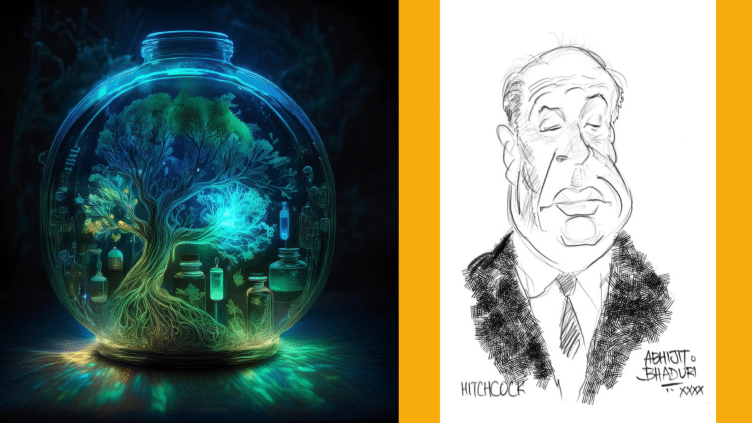
    Listen to the Master of Suspense – Alfred Hitchcock

    Suspense is more effective in creating fear in the audience. Suspense is created by giving the audience information and then making them wait for the outcome. It is a bit of a game between the storyteller and the listener or the audience. Based on the information shared, they start anticipating the next move of the storyteller. Hitchcock was known to

    Mystery, is an intellectual exercise rather than an emotional experience.

    I did another caricature of Hitchcock on abhijitbhaduri. com
    I have a real treat for you. Here is an interview with Alfred Hitchcock. He talks about his views on how to build suspense into the plotline. He directed almost 60 films. And in this interview he narrates a story. There is no murder or anything that would expect. The ending leaves you gasping.

    https://www. abhijitbhaduri. com/blog/2024/10/28/alfred-hitchcock-the-master-of-suspense

    Till the next time, thanks for reading. You can email me at abhijitbhaduri@live. com