Month: November 2025

  • The CEO Succession Trap

    The CEO Succession Trap

    Should you choose and internal candidate or an external candidate? Focus less on finding the perfect candidate for tomorrow and more on developing leaders who can figure things out as circumstances evolve.
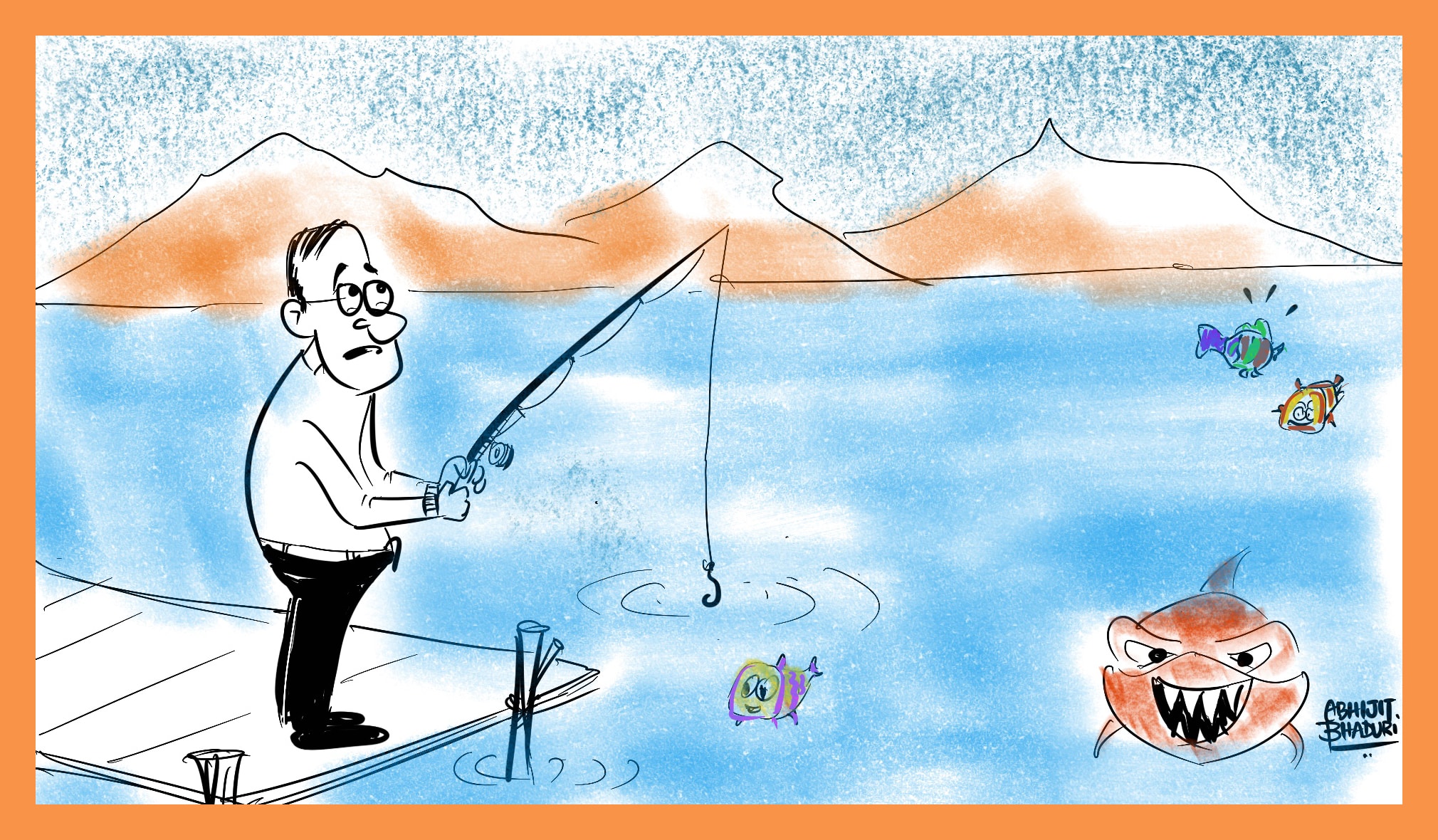
    Cartoon of a man fishing from a dock; colorful fish and a menacing big fish symbolize "The CEO Succession Trap" in leadership challenges.

    Imagine sitting on a dock with a fishing rod, hoping to catch dinner. You’re thinking about that one perfect fish. But beneath the surface, an entire ecosystem thrives in different directions, at different depths, each fish with unique colors and capabilities. You can’t see them. You don’t know which ones are ready to surface. And by the time you realize you need to catch one, it’s often too late.

    This is CEO succession planning. And I’ve watched brilliant companies fumble it repeatedly.

    Here’s what nobody tells you: when a CEO changes, everything changes. Not just the person in the corner office, but the entire molecular structure of decision-making, risk appetite, strategic priorities, and cultural norms. It’s organizational open-heart surgery performed while the patient runs a marathon. And we wonder why so many don’t survive the operation.

    When Succession Planning Becomes Succession Panic

    I’ve spent years studying why leadership transitions fail, from my time as Chief Learning Officer at Wipro to advising boards across industries. The pattern is depressingly consistent. Companies treat succession as an event, a crisis to manage, when it should be a continuous process of organizational renewal.
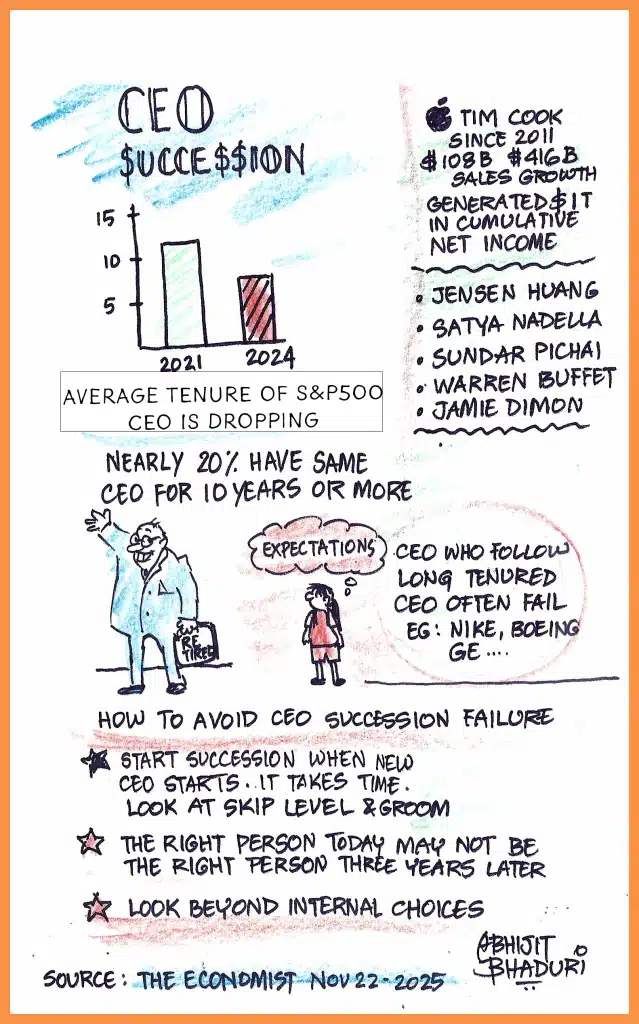
    Illustration of "The CEO Succession Trap" highlighting the decline in S&P 500 CEO tenure, with tips to avoid succession failure and famous CEOs listed.

    The data backs this up. CEO tenures at S&P 500 companies have dropped dramatically. Nearly 20% still have the same leader for a decade or more, but those who follow these legends often crash spectacularly.

    Illustration of a thoughtful leader, capturing the essence of The CEO Succession Trap. Features glasses and a contemplative expression.

    Tim Cook at Apple stands as the rare exception, generating over $1 trillion in cumulative net income since taking over from Steve Jobs.

    But for every Tim Cook, there’s a string of failures at Nike, Boeing, and GE, where it took 17 years to find someone good enough to lead GE. Steve Jobs was a larger than life figure especially after he launched the iPhone.

    I know of so many CEOs of startups who copied Steve Jobs and wore black turtle necks and blue jeans.

    Copying his dress sense was easier than being as innovative as Jobs.

    Indian companies have their own painful lessons. When Cyrus Mistry was abruptly removed from Tata Sons in 2016, it triggered years of legal battles and uncertainty across the vast Tata empire. More recently, several tech companies cycled through CEOs with concerning frequency, each transition bringing questions about strategic direction and cultural continuity. These weren’t just leadership changes. They were existential tremors that affected thousands of employees, billions in market value, and decades of institutional knowledge.

    But here’s where it gets really complicated: the challenges differ dramatically between internal and external hires, yet both face impossible expectations.

    Internal candidate or external? Who is better?

    Internal successors carry organizational memory, which sounds like an advantage until you realize it’s also an anchor. They know where all the bodies are buried because they helped bury some of them. Every decision they made climbing the ladder now limits their freedom to pivot. Relationships that helped them rise can become constraints when they need to make unpopular choices.

    Internal successors carry organizational memory, which sounds like an advantage until you realize it’s also an anchor

    They also face the authenticity paradox. Stay too consistent with the previous CEO and you’re seen as lacking vision. Change too much and you’re accused of betraying the culture. It’s like being asked to renovate your childhood home while your family still lives there, and everyone has strong opinions about which walls can’t be moved.

    External hires have the opposite problem. They bring fresh perspective but lack the cultural decoder ring. They don’t know which initiatives failed three times before, why marketing and engineering hate each other, or which customers threaten to leave annually but never do. Their bold new strategies often ignore crucial institutional knowledge that wasn’t documented anywhere because everyone just knew it.

    External hires lack the cultural memory needed to navigate landmines of resistance

    Yet both internal and external candidates face the same fundamental challenge: they’re being selected for a future nobody can accurately predict. In a world where AI might transform your business model, geopolitics might disrupt your supply chain, and a pandemic might force everyone to work remotely, how do you choose someone for circumstances that don’t exist yet?

    Five ideas to get succession right

    The good news is that companies can dramatically improve outcomes with approaches that are challenging but achievable. Here’s what actually works:

    Build Your Pipeline Five Years Early, Not Five Months Late

    Start succession planning when your current CEO is thriving, not departing. Identify ten potential successors across the organization and deliberately craft experiences that stretch them. Send them to run unfamiliar markets. Give them P&L responsibility where failure won’t sink the company but success builds real capability. Samsung does this brilliantly, rotating high-potential leaders through challenging international assignments years before they might need to step up.

    Cast a Wider Net Than Feels Comfortable

    The best successor might come from an adjacent industry with transferable skills rather than a carbon copy of your current leader. Look for people who’ve solved similar strategic challenges in different contexts. A retail executive might thrive in consumer banking. A technology leader from enterprise software might excel at industrial digitalization. The key is strategic pattern recognition, not domain expertise that’s probably becoming obsolete anyway.

    Create a Structured Transition with Built-In Support

    Every new CEO, internal or external, needs a transition coach for their first 18 months. This independent advisor helps decode cultural dynamics, identifies blind spots, and provides the honest feedback nobody else will give. Companies spend millions selecting leaders but almost nothing helping them succeed. That’s backwards. Consider a formal overlap period where successor and incumbent work together for six to twelve months, allowing real-time knowledge transfer about board dynamics, key relationships, and cultural nuances.

    Make Succession a Board Discipline, Not a Board Discussion

    Succession can’t be an occasional agenda item. Dedicate time at every board meeting to review the pipeline, assess development progress, and update plans based on evolving priorities. Board members should personally know the top ten candidates through informal dinners, site visits, and strategy sessions. This direct exposure prevents over-dependence on the current CEO’s assessment, which may be clouded by personal loyalty or political considerations.

    Prepare for Multiple Futures Instead of Predicting One

    Since you can’t know what the future holds, develop leaders who can adapt to different scenarios. Create experiences that build versatility, crisis management, digital fluency, stakeholder navigation, and authentic communication. Focus less on finding the perfect candidate for tomorrow and more on developing leaders who can figure things out as circumstances evolve. Resilience beats precision when the future is fundamentally uncertain.

    The fishing metaphor holds a final lesson: the talent is already swimming beneath the surface in your organization.

    Your job isn’t to wish for different fish. It’s to look more carefully, cast more widely, and create conditions where diverse leaders can surface and thrive before you desperately need them to.

    Read this: How office politics corrupts the search for high potential employees

    Vibrant underwater scene filled with diverse marine life showcases nature's ecosystem, reminiscent of navigating The CEO Succession Trap's complex challenges.
  • India’s AI Revolution and Ideas for Organizations

    India’s AI Revolution and Ideas for Organizations

    AI is most powerful when it removes friction for people doing real work, not when it’s a flashy demonstration project

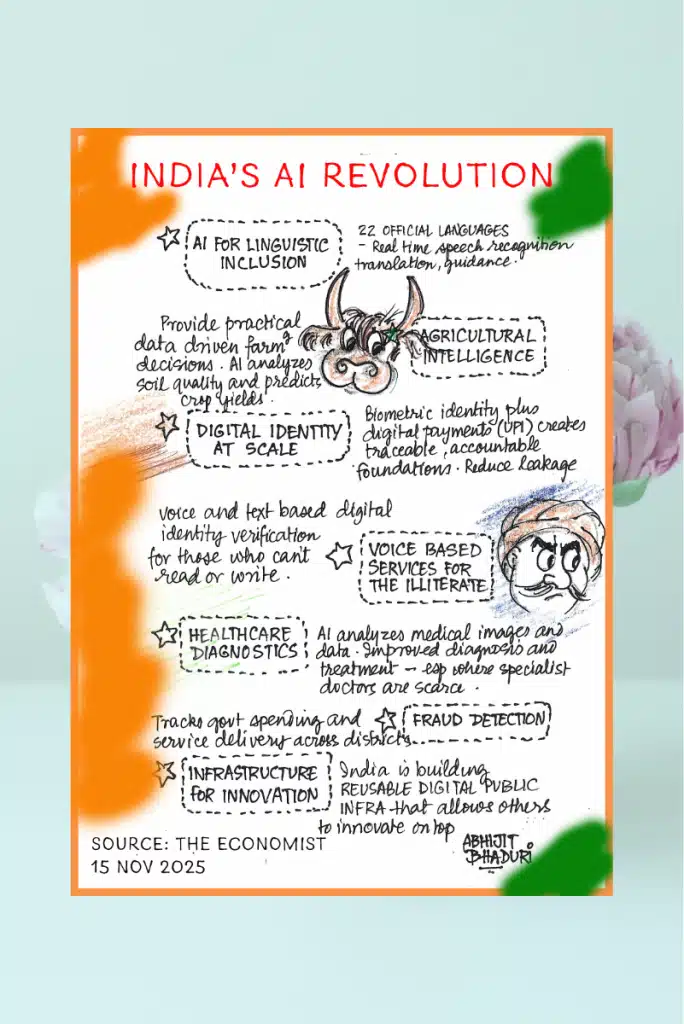
    Hand-drawn infographic detailing India's AI Revolution with ideas for organizations, highlighting AI in agriculture, healthcare, and fraud detection.

    The Economist did a look ahead issue. I found it to be a collectors item. One essay by Nandan Nilekani in this issue of the magazine caught my attention. I had written about India will become the use case capital of the world for AI.

    Here are seven use cases that serve as proof.

    1. AI for Linguistic Inclusion India is using AI to bridge language barriers across its 22 official languages. Systems provide real-time speech recognition, translation, and local guidance in native languages, making government services accessible to citizens who don’t speak English or Hindi.

    2. Agriculture Intelligence AI networks analyze soil quality, predict crop yields, and provide farmers with actionable recommendations – moving from theoretical advice to practical, data-driven farming decisions.

    3. Digital Identity at Scale India’s biometric identity system combined with digital payments (UPI) has created a traceable, accountable foundation for delivering government benefits directly to citizens, reducing corruption and leakage.

    4. Voice-Based Services for the Illiterate AI enables voice and text-based agricultural advice and digital identity verification for citizens who can’t read or write, dramatically expanding service accessibility.

    5. Healthcare Diagnostics AI systems analyze medical images and data to improve diagnosis and treatment, particularly important where specialist doctors are scarce.

    6. Fraud Detection and Accountability AI tools track government spending and service delivery across districts, collecting real-time data to identify inefficiencies and prevent corruption.

    7. Infrastructure for Innovation Rather than just deploying AI solutions, India is building reusable digital public infrastructure (APIs, identity systems, payment rails) that allow others to innovate on top.


    How Organizations Can Apply These Ideas Creatively

    1. Break Down Your Own Language Barriers

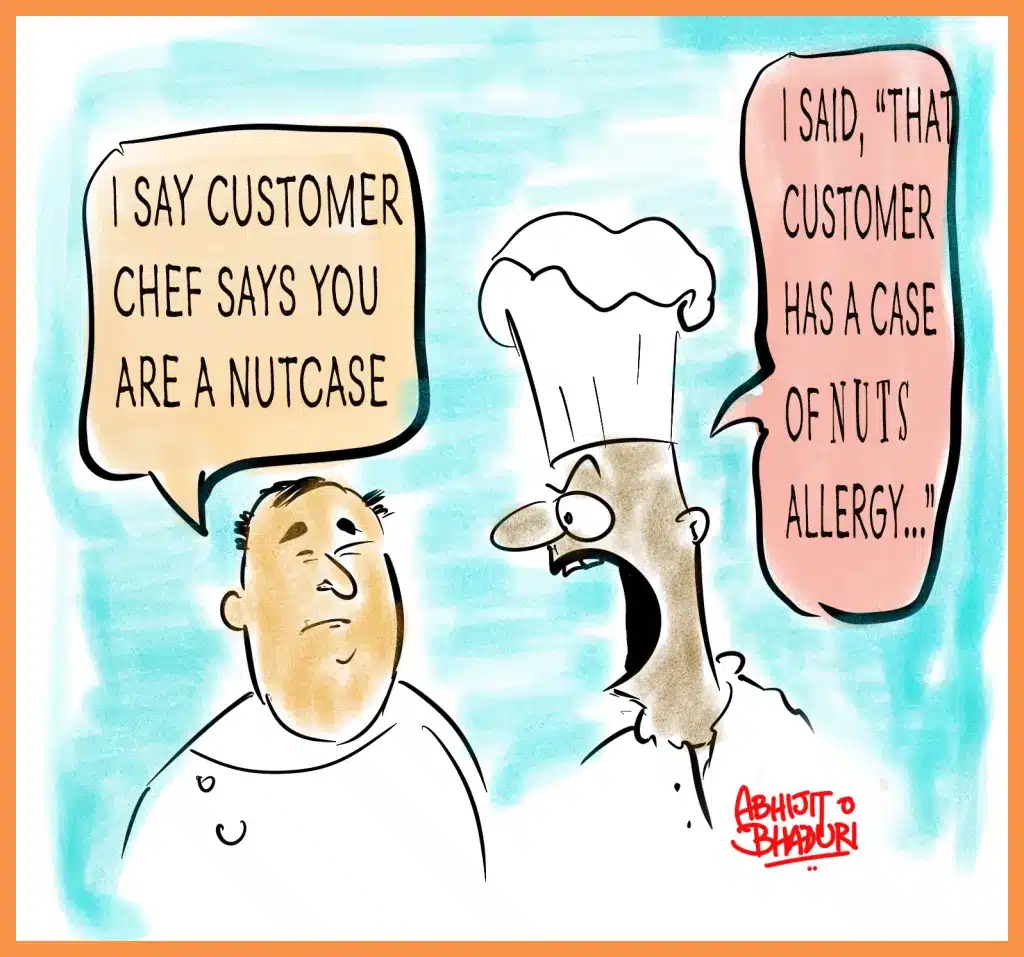
    Cartoon of a chef and owner having a funny misunderstanding about nuts allergy. Reflects humor and communication challenges in India’s AI Revolution.

    Manufacturing Companies:

    • Deploy AI translation for shop floor safety protocols and equipment manuals so a Polish machinist and a Vietnamese assembly worker can access critical information in real-time without waiting for formal translations.
    • Create voice-enabled quality control systems where workers can report defects or check specifications hands-free while on the production line.
    • Make technical training videos available in workers’ native languages so your Haitian maintenance technician and your Somali line worker can learn advanced manufacturing techniques at the same pace as native speakers.

    Healthcare Organizations:

    • Use AI translation for patient intake and medical histories so Filipino nurses, Indian doctors, and Spanish-speaking patients can communicate care plans without critical details getting lost.
    • Build voice-enabled clinical documentation systems for nurses and physicians who are moving between patient rooms and procedures, capturing observations in their flow of work.
    • Translate continuing education materials and protocol updates into staff native languages so your diverse clinical team—from Tagalog speakers to Arabic speakers—can stay current on best practices with equal comprehension.

    Retail Chains:

    • Deploy AI translation for daily huddles and corporate communications so your Mexican store manager and your Chinese district supervisor receive the same strategic context.
    • Create voice-enabled inventory and POS systems for frontline staff who are constantly moving, helping customers, and restocking—allowing them to check stock levels or process returns without stopping their workflow.
    • Make product knowledge training available in multiple languages so your Russian-speaking sales associate and your Korean-speaking visual merchandiser can deliver the same expert customer experience.

    Technology Companies:

    • Use AI translation for cross-functional team meetings and Slack conversations so your Brazilian engineer, your Ukrainian designer, and your Egyptian product manager can collaborate without one person always having to work in their second language.
    • Build voice-enabled code review and documentation systems for developers who want to explain complex logic while pair programming or walking through architecture.
    • Translate technical documentation and API guides into developers’ native languages so your global engineering team can contribute equally to design discussions and architectural decisions.

    Professional Services Firms:

    • Deploy AI translation for client communications and internal knowledge sharing so your German consultant and your Japanese analyst can both access the same institutional knowledge with full nuance.
    • Create voice-enabled time tracking and project documentation systems for consultants who are in client meetings or traveling between sites.
    • Make training materials and methodology guides available in multiple languages so your São Paulo office and your Seoul office can develop the same quality of client deliverables.

    2. Democratize Expert Knowledge

    Manufacturing Companies:

    • Turn your master toolmaker’s 30 years of equipment troubleshooting into an AI diagnostic assistant that guides apprentices through complex machinery repairs step-by-step.
    • Convert your quality assurance director’s defect pattern recognition into a visual AI tool that helps line inspectors catch problems before they become recalls.
    • Create AI assistants that walk plant managers through environmental compliance checks and safety audits using your veteran HSE director’s systematic approach.

    Healthcare Organizations:

    • Turn your head of critical care’s triage decision-making into an AI coach that helps ER residents prioritize patients during surge conditions.
    • Convert your infection control specialist’s outbreak investigation methods into diagnostic tools that guide any floor nurse through proper containment protocols.
    • Create AI assistants that help billing staff navigate complex insurance authorization rules using your most experienced medical coder’s knowledge base.

    Retail Chains:

    • Turn your top luxury sales associate’s relationship-building techniques and product storytelling into an AI coach for new hires in all locations.
    • Convert your visual merchandising director’s seasonal display strategies into a tool that guides any store manager through creating compelling presentations.
    • Create AI assistants that help shift supervisors handle difficult customer situations using your customer service director’s de-escalation playbook.

    Technology Companies:

    • Turn your principal architect’s system design principles and scaling decisions into an AI mentor for mid-level engineers evaluating technical trade-offs.
    • Convert your senior security engineer’s threat modeling approach into diagnostic tools that guide any developer through secure code reviews.
    • Create AI assistants that walk product managers through prioritization frameworks using your VP of Product’s strategic decision-making process.

    Professional Services Firms:

    • Turn your senior partner’s client relationship management and deal structuring expertise into an AI coach for associate consultants preparing proposals.
    • Convert your subject matter expert’s analytical frameworks into tools that guide junior analysts through complex problem decomposition.
    • Create AI assistants that help any team member navigate conflict-of-interest checks and ethics considerations using your chief counsel’s decision trees.

    3. Build Infrastructure, Not Just Solutions

    Manufacturing Companies:

    • Create a central production data API that quality, maintenance, supply chain, and finance teams can all query for real-time insights without building separate integrations.
    • Build identity/authentication systems that work across your ERP, MES, quality management, and maintenance platforms so workers don’t juggle multiple logins.
    • Develop shared AI models for equipment sensor data analysis, defect image recognition, and predictive maintenance that any plant can leverage without training from scratch.

    Healthcare Organizations:

    • Create a central patient data API that clinical, billing, scheduling, and care coordination teams can access with proper permissions instead of maintaining separate patient databases.
    • Build identity/authentication systems that work across your EHR, lab systems, imaging platforms, and patient portals so clinicians have seamless access.
    • Develop shared AI models for medical image analysis, clinical note processing, and readmission risk prediction that any department can use without building specialized capabilities.

    Retail Chains:

    • Create a central customer data API that e-commerce, in-store POS, loyalty programs, and marketing can all tap into for unified customer views.
    • Build identity/authentication systems that work across your inventory management, scheduling, POS, and employee portals so staff have frictionless tool access.
    • Develop shared AI models for demand forecasting, customer segmentation, and inventory optimization that any region or store format can deploy.

    Technology Companies:

    • Create a central user analytics API that product, engineering, customer success, and sales teams can query without each building their own instrumentation.
    • Build identity/authentication systems that work across your internal tools, customer-facing products, and partner integrations with consistent security policies.
    • Develop shared AI models for code analysis, log parsing, and anomaly detection that any engineering team can integrate into their workflows.

    Professional Services Firms:

    • Create a central project data API that delivery teams, finance, resource management, and business development can access for real-time project health.
    • Build identity/authentication systems that work across your knowledge management, time tracking, CRM, and collaboration tools without credential sprawl.
    • Develop shared AI models for document analysis, contract review, and research summarization that any practice area can customize for their specialty.

    4. Use AI for Accountability and Transparency

    Manufacturing Companies:

    • Track production run costs against budgets and flag when material waste, overtime, or scrap rates spike above historical norms on specific lines or shifts.
    • Monitor equipment uptime, cycle times, and first-pass yield across all facilities in real-time to identify which plants are falling behind on operational excellence.
    • Analyze patterns in safety incidents and near-misses to identify systemic training gaps or process design flaws before OSHA comes calling.

    Healthcare Organizations:

    • Track departmental supply spending and flag when units are ordering significantly more of certain items than peer units with similar patient volumes.
    • Monitor patient wait times, length of stay, and readmission rates across departments and locations in real-time to identify care delivery bottlenecks.
    • Analyze patterns in patient complaints and safety reports to identify systemic communication failures or process breakdowns before they become sentinel events.

    Retail Chains:

    • Track store labor hours against sales and flag when scheduling practices are creating either chronic understaffing or excessive overtime costs.
    • Monitor customer service metrics, basket size, and conversion rates across locations in real-time to identify which stores need operational coaching.
    • Analyze patterns in employee turnover and exit interview themes to identify managers or locations with systemic culture problems before they damage your employer brand.

    Technology Companies:

    • Track project cloud infrastructure costs and flag when teams are running expensive resources longer than needed or choosing premium service tiers unnecessarily.
    • Monitor service uptime, error rates, and response times across regions and customer segments in real-time to catch degrading experiences before customers churn.
    • Analyze patterns in customer support tickets to identify product usability issues or documentation gaps causing systematic confusion.

    Professional Services Firms:

    • Track project budgets versus actuals and flag when scope creep, inefficient staffing, or rework is eroding margins on specific engagements.
    • Monitor utilization rates, realization rates, and client satisfaction across practices and offices in real-time to identify teams struggling with delivery quality.
    • Analyze patterns in client feedback and engagement extension rates to identify which service offerings or delivery approaches are creating the most value.

    5. Design for Your “Last Mile” Users

    Manufacturing Companies:

    • Create voice-enabled quality inspection interfaces for assembly workers who need both hands free to manipulate parts and operate measurement tools.
    • Build simple, visual production dashboards for plant managers who want to see today’s output, quality metrics, and schedule adherence without parsing complex reports.
    • Design mobile-first maintenance request tools for technicians moving between machines on the factory floor without desktop computers nearby.

    Healthcare Organizations:

    • Create voice-enabled patient documentation interfaces for nurses who are drawing medications, starting IVs, or helping patients ambulate.
    • Build simple, visual census dashboards for charge nurses who want to see bed availability, staffing ratios, and patient acuity at a glance during shift huddles.
    • Design mobile-first care coordination tools for home health aides visiting patients in the community without laptop access.

    Retail Chains:

    • Create voice-enabled inventory lookup interfaces for sales associates helping customers on the floor who can’t step away to check a terminal.
    • Build simple, visual sales performance dashboards for store managers who want to see today’s traffic, conversion, and average transaction without digging through reports.
    • Design mobile-first scheduling tools for part-time workers managing their availability and shift swaps from their phones between college classes.

    Technology Companies:

    • Create voice-enabled code review tools for engineers who want to explain architectural decisions while whiteboarding or pair programming.
    • Build simple, visual system health dashboards for executives who want to understand service uptime, customer growth, and infrastructure costs without engineering degrees.
    • Design mobile-first on-call incident management tools for SREs responding to alerts while away from their desks or during off-hours.

    Professional Services Firms:

    • Create voice-enabled time entry interfaces for consultants who want to log hours while traveling between client sites or during their commute.
    • Build simple, visual engagement health dashboards for partners who want to see utilization, billing, and client satisfaction without complex financial reports.
    • Design mobile-first knowledge capture tools for subject matter experts who want to document insights from client meetings while ideas are fresh, before returning to the office.

    6. Fraud Detection Beyond Finance

    High-tech control room showcasing India's AI revolution. Explore innovative AI safety and compliance ideas for organizations enhancing workplace efficiency.

    Manufacturing Companies:

    • Identify unusual patterns in material requisitions or vendor payments—like the same supplier suddenly receiving much larger orders from one plant at premium prices.
    • Detect potential safety compliance violations by flagging when required inspections are skipped, safety gear isn’t checked out, or incident reports have suspicious similarities.
    • Flag inconsistencies in production reporting where yield numbers, scrap rates, or cycle times don’t align with sensor data from the equipment itself.

    Healthcare Organizations:

    • Identify unusual patterns in supply usage or pharmaceutical ordering—like one unit consuming significantly more controlled substances than peer units with similar patient acuity.
    • Detect potential billing compliance violations by flagging when documentation doesn’t support the level of service billed or when coding patterns differ dramatically from peers.
    • Flag inconsistencies in clinical outcomes reporting where patient satisfaction scores, readmission data, or complication rates seem statistically improbable compared to case mix.

    Retail Chains:

    • Identify unusual patterns in returns or refunds—like certain employees processing significantly more high-value returns without receipts or manager overrides.
    • Detect potential theft by flagging when inventory shrinkage is concentrated in specific departments, shifts, or locations with unusual patterns.
    • Flag inconsistencies in labor reporting where employees are clocked in at times that don’t align with transaction logs or security system access records.

    Technology Companies:

    • Identify unusual patterns in cloud resource usage or vendor spending—like one team suddenly spinning up expensive GPU instances that run idle or paying for licenses never activated.
    • Detect potential security violations by flagging when data access patterns are unusual, like employees downloading customer data shortly before departing the company.
    • Flag inconsistencies in performance metrics where self-reported project milestones, velocity, or customer adoption numbers don’t match underlying system usage data.

    Professional Services Firms:

    • Identify unusual patterns in expense reports or travel bookings—like consultants claiming meals for more people than were staffed on the project or booking personal travel on client codes.
    • Detect potential conflicts of interest by flagging when employees have relationships with vendors who are subsequently selected for engagements they influenced.
    • Flag inconsistencies in time reporting where billable hours claimed don’t align with email activity, calendar availability, or deliverable output patterns.
    Colorful abstract design symbolizing India’s AI Revolution, showcasing creative ideas for organizations in a vibrant, artistic style.

    7. Scale Through Standardization

    Manufacturing Companies:

    • Develop standard data formats for production orders, quality inspections, and maintenance work orders so any plant can share data without custom integration.
    • Create reusable AI components—defect detection models, predictive maintenance algorithms, demand forecasting engines—with consistent APIs that any facility can plug into their existing systems.
    • Build once, deploy everywhere: like a standard shop floor data collection system that works whether you’re running injection molding, metal stamping, or electronics assembly.

    Healthcare Organizations:

    • Develop standard data formats for patient demographics, lab results, and medication orders so systems can exchange information following FHIR standards without custom interfaces.
    • Create reusable AI components—clinical note summarizers, radiology image analyzers, sepsis risk predictors—with consistent interfaces that any department can integrate into their workflows.
    • Build once, deploy everywhere: like a standard patient intake system that works whether you’re running an emergency department, outpatient clinic, or ambulatory surgery center.

    Retail Chains:

    • Develop standard data formats for product information, customer profiles, and transaction data so every channel—stores, e-commerce, mobile app—shares a common language.
    • Create reusable AI components—demand forecasting models, customer segmentation engines, product recommendation systems—with consistent APIs that any business unit can leverage.
    • Build once, deploy everywhere: like a standard loyalty program infrastructure that works whether customers are shopping in urban flagship stores, suburban strip malls, or online.

    Technology Companies:

    • Develop standard data formats for user events, system logs, and API responses so every service can emit telemetry that flows into unified observability platforms.
    • Create reusable AI components—log analyzers, anomaly detectors, code reviewers—with consistent interfaces that any engineering team can incorporate into their CI/CD pipelines.
    • Build once, deploy everywhere: like a standard authentication and authorization framework that works whether you’re building customer-facing products, internal tools, or partner integrations.

    Professional Services Firms:

    • Develop standard data formats for project plans, client deliverables, and engagement economics so knowledge and resources can flow across practice areas and geographies.
    • Create reusable AI components—contract analyzers, research summarizers, presentation builders—with consistent interfaces that any practice can customize for their methodology.
    • Build once, deploy everywhere: like a standard engagement management system that works whether you’re delivering strategy consulting, technology implementation, or managed services.

    AI is most powerful when it removes friction for people doing real work, not when it’s a flashy demonstration project. Would you agree? Leave your views in the comment.

  • Switching Jobs: When Is It Strategic and When Is It Premature?

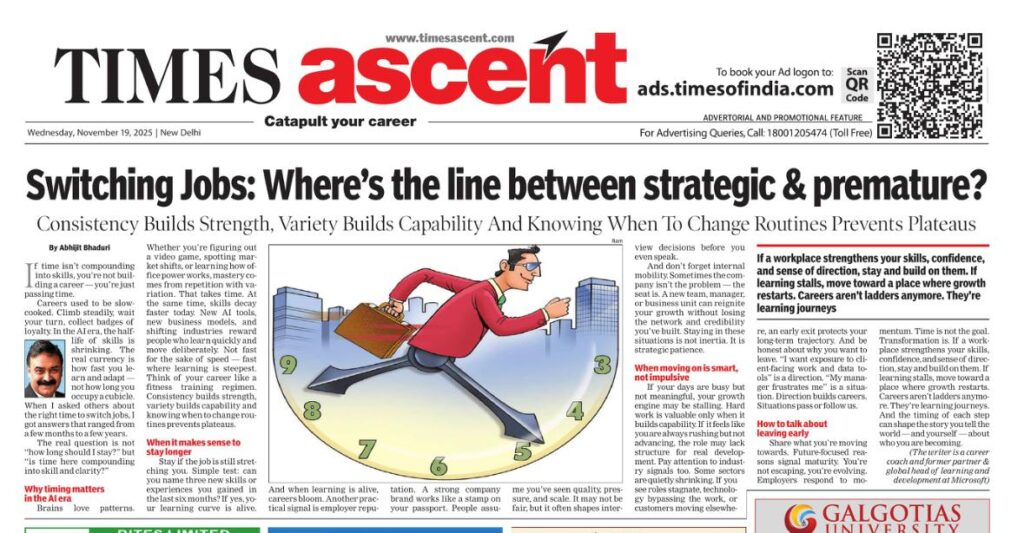
    Switching Jobs: When Is It Strategic and When Is It Premature?

    Consistency builds strength, variety builds capability and knowing when to change routines prevents plateaus

    Times of India
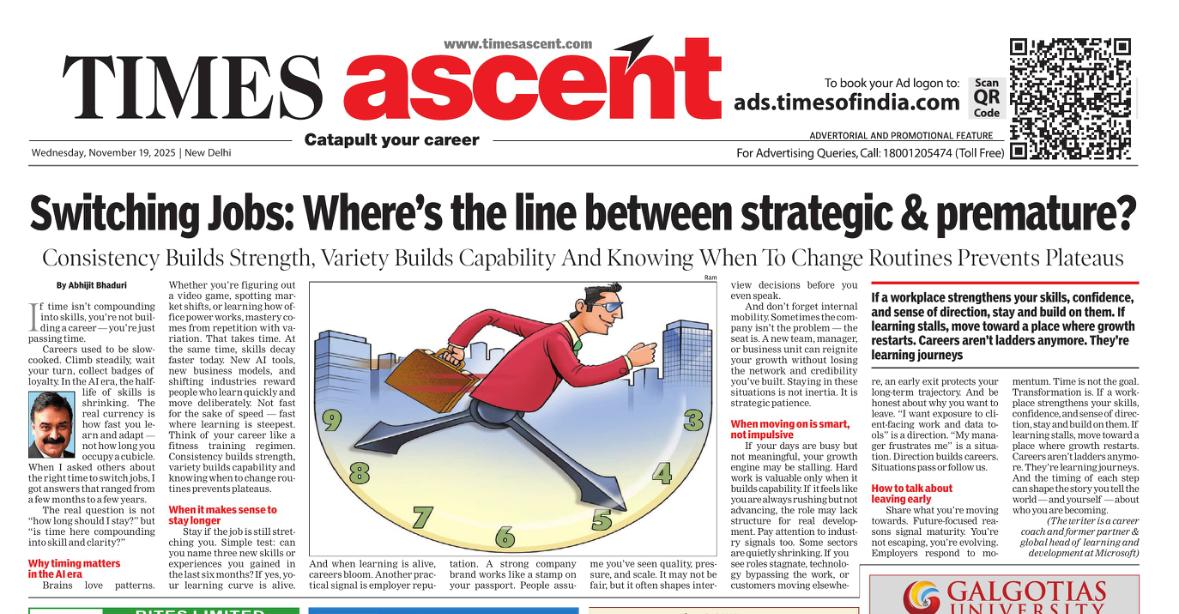
    Times Ascent article on switching jobs explores when it’s strategic versus premature. Offers insights on career growth, skill building, and timing.

    When Is It Too Early to Switch Jobs? 

    If time isn’t compounding into skills, you’re not building a career — you’re just passing time. 

    Careers used to be slow-cooked. Climb steadily, wait your turn, collect badges of loyalty. In the AI era, the half-life of skills is shrinking. The real currency is how fast you learn and adapt — not how long you occupy a cubicle. When I asked others about the right time to switch jobs, I got answers that ranged from a few months to a few years.  

    The real question is not “How long should I stay?” but “Is time here compounding into skill and clarity?” 

    Why Timing Matters in the AI Era

    Brains love patterns. Whether you’re figuring out a video game, spotting market shifts, or learning how office power works, mastery comes from repetition with variation. That takes time. 

    At the same time, skills decay faster today. New AI tools, new business models, and shifting industries reward people who learn quickly and move deliberately. Not fast for the sake of speed — fast where learning is steepest. 

    Think of your career like fitness training. Consistency builds strength, variety builds capability and knowing when to change routines prevents plateaus. 

    When It Makes Sense to Stay Longer 

    Stay if the job is still stretching you. Simple test: can you name three new skills or experiences you gained in the last six months? If yes, your learning curve is alive. And when learning is alive, careers bloom. 

    Another practical signal is employer reputation. A strong company brand works like a stamp on your passport. People assume you’ve seen quality, pressure, scale. It may not be fair, but it often shapes interview decisions before you even speak. 

    And don’t forget internal mobility. Sometimes the company isn’t the problem — the seat is. A new team, manager, or business unit can reignite your growth without losing the network and credibility you’ve built. 

    Staying, in these situations, is not inertia. It is strategic patience. 

    When moving on is smart, not impulsive 

    If your days are busy but not meaningful, your growth engine may be stalling. Hard work is valuable only when it builds capability. If it feels like you are always rushing but not advancing, the role may lack structure for real development. 

    Pay attention to industry signals too. Some sectors are quietly shrinking. If you see roles stagnant, technology bypassing the work, or customers moving elsewhere, an early exit protects your long-term trajectory. 

    And be honest about why you want to leave. “I want exposure to client-facing work and data tools” is a direction. “My manager frustrates me” is a situation. Direction builds careers. Situations pass — or follow us. 

    How to Talk About Leaving Early 

    Share what you’re moving toward. Future-focused reasons signal maturity. You’re not escaping — you’re evolving. Employers respond to momentum. 

    “Time is not the goal. Transformation is”

    If a workplace strengthens your skills, your confidence, and your sense of direction, stay and compound. If learning stalls, move toward a place where growth restarts. 

    Careers aren’t ladders anymore. They’re learning journeys. And the timing of each step can shape the story you tell the world — and yourself — about who you’re becoming. 

    — 

    A version of this was published by Times of India on Nov 18-2025

  • From Garage to Coma to Global: Sumer Datta’s Journey

    From Garage to Coma to Global: Sumer Datta’s Journey

    When the doctors suggested retirement, Sumer Datta had just woken from a four-month coma with a brain hemorrhage that should have killed him. His response? ‘I’m going back to work’.

    Sumer Datta in a white shirt stands confidently, arms crossed, embodying a journey from garage to global. A friendly and approachable figure.

    It always starts in a garage

    Sumer Datta describes himself on LinkedIn as “Top Management Professional – Founder/ Co-Founder/ Chairman/ Managing Director Operational Leadership | Global Business Strategy | Consultancy And Advisory Support”. But that is not why I am sharing his story.

    Sumer is one of the people whose firm shaped HR in India.

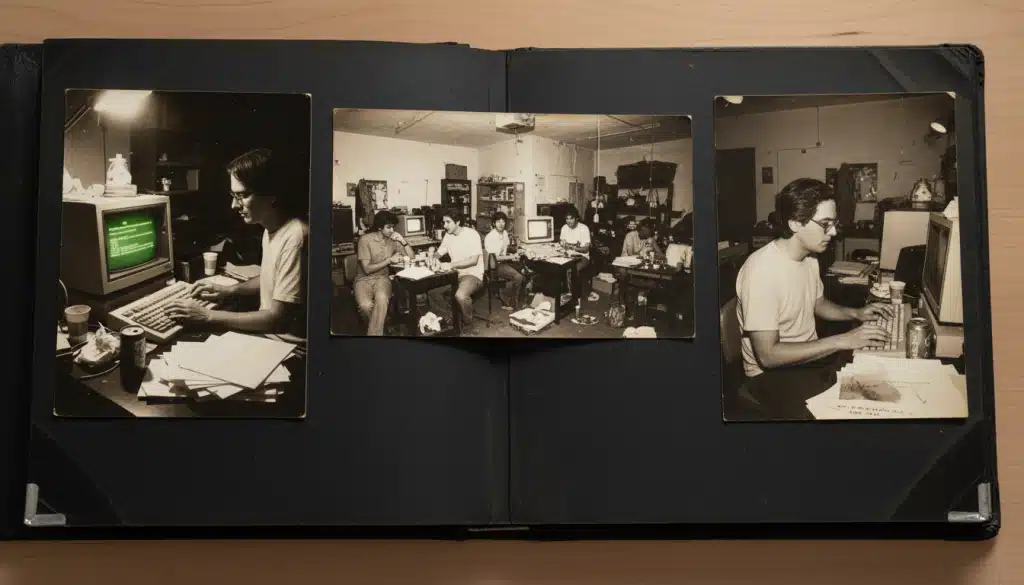
    He started Noble House Consulting with ₹500 in his pocket and an old computer in a garage. No investors. No startup ecosystem. No safety net. Just a stubborn belief that he could build something meaningful in India’s HR world.

    He typed proposals late into the night and knocked on doors that often didn’t open. The rejections outnumbered the wins, but each closed door taught him something the textbooks never could.

    Vintage photos show Sumer Datta's early days in a garage, highlighting his journey from local projects to becoming a global sensation.

    About eighteen months in, Ravi Virmani (a classmate of mine at XLRI) joined as a partner. That changed everything. Together, they built the business brick by brick—late nights, endless client meetings, small victories that felt enormous, and failures that shaped their foundation more than any success ever could.

    From that cramped garage, Noble House evolved into Noble & Hewitt, then Hewitt Associates, and eventually became part of Aon, one of the most respected names in global HR consulting. Those years didn’t just build a company—they changed the DNA of India’s HR profession. Many young professionals today may never know how influential that journey was, but it rewrote the rules of talent management in the country.

    When Noble & Hewitt officially became Hewitt, Sumer was given a choice – he could keep the name “Noble House.” He didn’t realize then how prophetic that decision would become.

    Noble House 2.0 and the gig economy

    Eight years ago, long before “gig economy” became a buzzword plastered across LinkedIn feeds and business magazines, Sumer revived Noble House. This time, it wasn’t about consulting—it was about creating a platform for skilled professionals who wanted to work on their own terms.

    He saw the future unfolding. Companies needed agility. Talent craved flexibility. The old full-time employment model was cracking under the weight of a changing world.

    Noble House 2.0 was born as a platform connecting organizations with independent experts—people who chose to work six months a year, three weeks a month, or in any rhythm that fit their life. Today, that vision has grown into one of India’s strongest flexible talent ecosystems, with a network of 25,000+ freelancers and 15,000+ interim leaders. Noble House proudly serves as the India partner for the Valtus Alliance, the world’s most respected global interim management network.

    For Sumer, Noble House represented everything he’d learned over three decades—from a garage startup to a global HR firm to a future-ready gig platform. It had evolved as he had evolved.

    Then, in 2020, everything stopped. Yes it was the pandemic. But something else was about to happen to Sumer.

    The Ground Split Open

    MRI scan displaying brain activity with vibrant colors. Part of Sumer Datta’s journey from garage innovation to a global breakthrough in neuroscience.

    The hemorrhage happened on an ordinary day. No warning signs. No indication that life was about to split into “before” and “after.”

    Within minutes, Sumer felt something terribly wrong—the kind of fear your body understands before your mind does. One second he was standing. The next, he was being rushed to the hospital.

    Brain hemorrhage. Life-threatening.

    He went into a coma that lasted nearly four months. Four months where his family and friends lived in the corridor between hope and heartbreak. Four months where every day was a question: Will he ever wake up?

    Somewhere inside that dark, heavy silence, his body fought on.

    His first sign of returning was tiny—his right fingers moved, like they were typing. That one twitch became the moment everyone realized he wasn’t giving up.

    Close-up of a hand with medical wires, symbolizing resilience. Inspired by "From Garage to Coma to Global: Sumer Datta’s Journey" story.

    Doctors were cautious. Some even suggested that if he survived, he should think about slowing down, stepping back, maybe even retiring.

    But Sumer had different plans.

    Don’t ever give up

    Waking up was not the end of the fight—it was the beginning.

    His body felt unfamiliar. He had to relearn how to move, speak, and trust his brain again. Simple tasks became mountains: sitting up, holding a spoon, forming a full sentence without losing breath.

    Some days the progress was sharp. Other days, nothing moved.

    Recovery tested his patience more than the illness did. But one thought stayed with him. 

    I have to return to the work I love. 

    Because purpose is what kept his spirit alive even in the coma.

    His family was his anchor through every setback. Their belief filled the gaps where his confidence broke.

    When he finally sent his first email, attended his first meeting, held his first long conversation—each moment felt like a new life being built from scratch.

    Doctors told him to slow down. He did the opposite—he learned to pace himself and still move forward.

    Fast forward to 2025

    Today, five years later, life has fully returned to its earlier rhythm. Sumer attends meetings, leads conversations, travels, and works with the same passion—but with far more clarity and gratitude.

    He does yoga, therapy, self-work. He savors every precious moment. He’s come to believe that recovery isn’t a finish line—it’s a mindset.

    The work continues. Noble House thrives as part of India’s evolving gig economy.

    “The 25,000+ freelancers and 15,000+ interim leaders in the network represent something larger than a business model—they represent the future of how people choose to work.” – Sumer

    Sumer’s journey from a ₹500 startup in a garage to building India’s HR consulting DNA, then nearly losing everything to a brain hemorrhage, and finally rebuilding himself one email at a time—it’s a story about resilience, yes. But more than that, it’s about purpose.

    Because when you know why you’re fighting, the how becomes clearer.

    Rebuilding yourself is harder than building a global firm

    Some people measure success by exits and valuations. Others by awards and recognition. Sumer measures it differently now—by the ability to show up, to contribute, to live with intention.

    He’s rebuilt himself once. And knowing that gives him complete confidence in everything that lies ahead.

    The future feels strong and steady. Not because the path is guaranteed, but because he’s already walked through fire and emerged with his purpose intact.

    That’s the kind of strength that doesn’t come from a garage, a hospital bed, or a boardroom.

    It comes from knowing that no matter what breaks, you can always rebuild—as long as you remember why you started.

    A joyful man in a beige blazer, sitting with a golden retriever, symbolizing warmth and the journey "From Garage to Coma to Global: Sumer Datta’s Journey".
  • Think Like a Filmmaker: L&D That Wins Attention

    Think Like a Filmmaker: L&D That Wins Attention

    Cartoon of a man and a playful crocodile enjoying a sunrise. A fun nod to "Think Like a Filmmaker: L&D That Wins Attention" with warm, friendly vibes.
    Cartoon of a man and a playful crocodile enjoying a sunrise. A fun nod to “Think Like a Filmmaker: L&D That Wins Attention” with warm, friendly vibes.

    Learning should feel like a secret you’re dying to hear, not a lecture you’re forced to attend

    Corporate L&D teams still believe that making the learner click the slides is proof of their learning. Meanwhile, outside the office, those same employees are consuming the most emotionally intelligent, visually rich content ever created – TikTok explainers, YouTube tutorials, Instagram storytelling, micro-podcasts, interactive threads.

    It’s no contest.

    Movies win. L&D loses. Not because Hollywood or Bollywood has better information, but because it has mastered the art of holding human attention.

    And in an 8-second attention-span world, attention is the new currency of learning.

    The future belongs to L&D teams who stop thinking like curriculum designers…

    and start thinking like filmmakers.

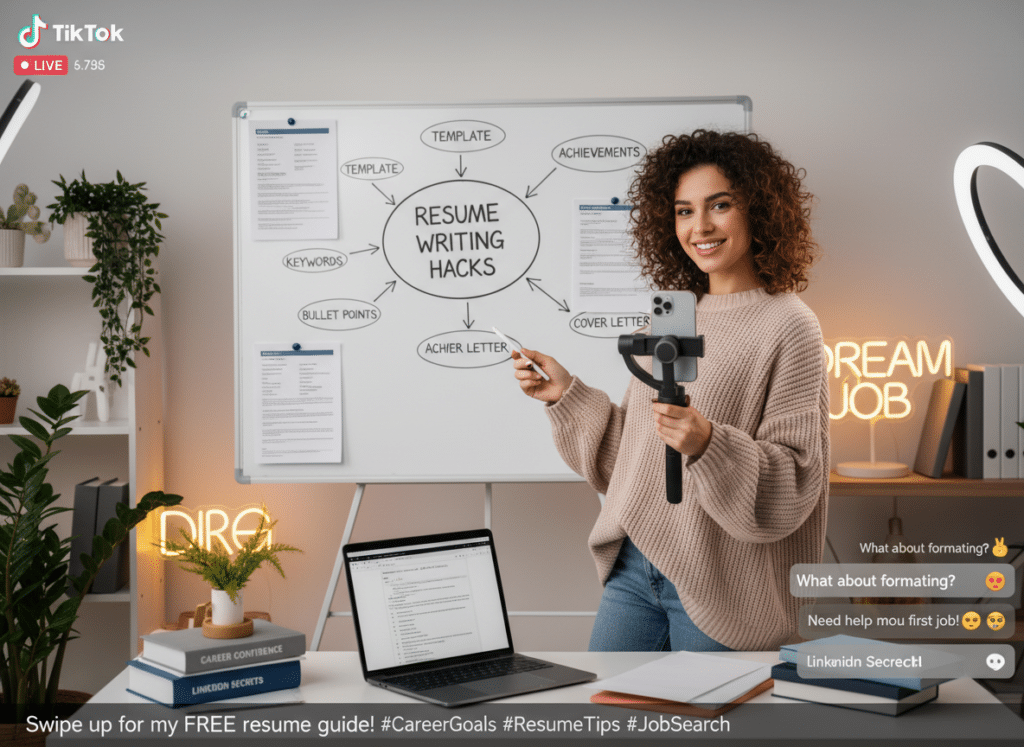
    Smiling woman shares resume writing hacks on a whiteboard in a cozy home office. Perfect for those seeking tips on L&D that wins attention.

    Why This Shift Matters

    A great filmmaker starts with a simple question:

    What will make the audience care within the first five seconds?

    Most learning teams start with:

    “What are the learning objectives?”

    That single difference explains why employees binge Netflix but avoid LMS notifications.

    Filmmakers understand tension, narrative arcs, pacing, emotion, surprise, timing.

    They know when to cut. When to pause. When to punch.

    They shape information into a journey — not a lecture.

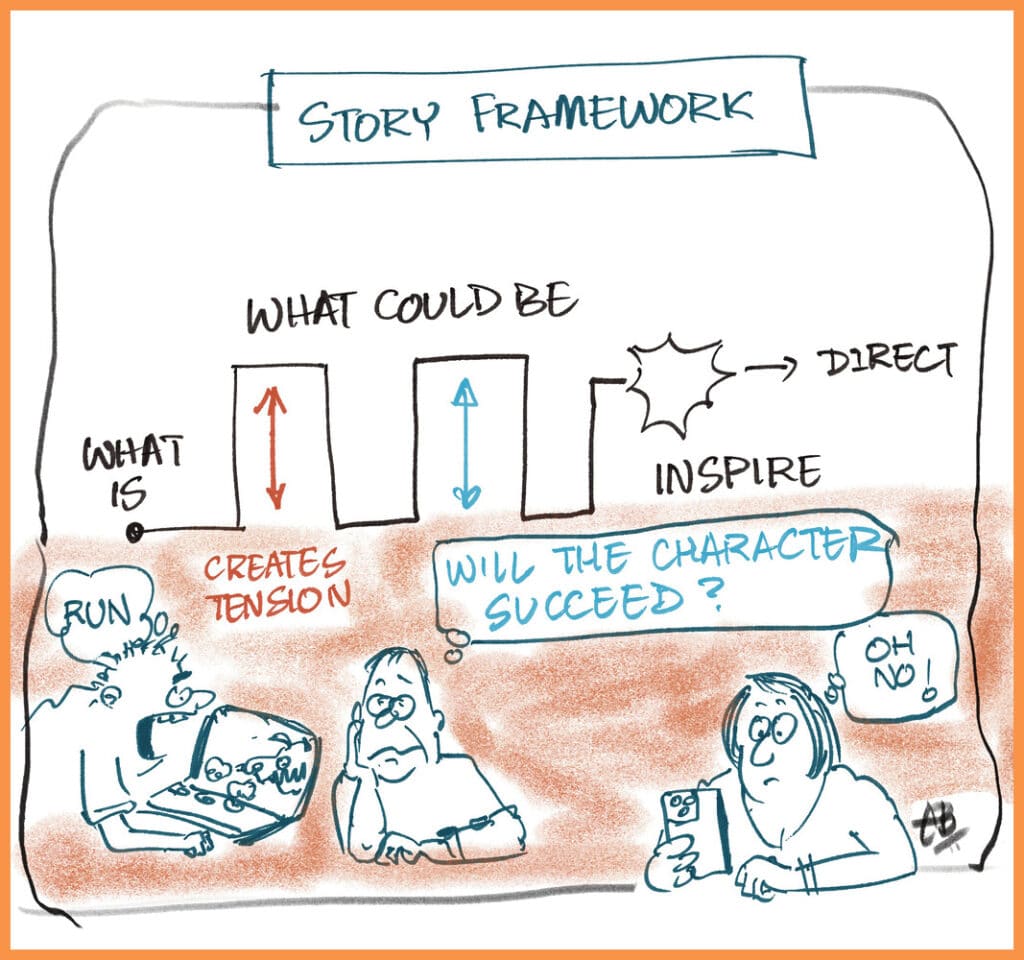
    Cartoon illustrating a story framework for L&D. Highlights the journey from 'What Is' to 'What Could Be' with elements to inspire and direct attention.

    That’s exactly what modern learners need.

    Because here’s the truth:

    Adults don’t learn from information. They learn from emotion + relevance + timing.

    When people care, they learn.

    When people feel something, they remember.

    When people can use it immediately, they change behavior.

    Let’s build learning like that.

    The Hidden Trinity of Magnetic Learning Content

    Think of powerful learning as a three-act film:

    Act 1 – Set up – the dreams of the protagonist

    Show the learner a moment they recognize so vividly that they lean forward.

    Act 2 – why the dream cannot happen

    Reveal a new idea that reframes their world.

    Act 3 — Takeaway:

    Give them one clear action — the next right move.

    Nancy Duarte calls this “contrast and next action.”

    Manga scene illustrating emotional connections and transformations; perfect for learning to think like a filmmaker in L&D to captivate and engage.

    Design the learning experience to evoke mystery, laughter, fun, and human connection.

    When you combine storytelling logic + the emotional resonance of your illustration – you get learning that feels alive. Now let’s get practical.

    10 Ways to Create Learning Like a Filmmaker (Not an Instructor)

    Each idea is built for real-world L&D teams and can be applied tomorrow.

    Open with the chase

    https://youtube.com/watch?v=8bYvCSfd72A%3Ffeature%3Doembed

    Filmmakers don’t warm up. They plunge you into the scene.

    Learning should too.

    Start with:

    “You’re five minutes into a client meeting and this happens…”

    Immediate relevance. Instant pull.

    2. Make the Problem Undeniable

    Show the frustration, the fear, the stuck moment.

    If they can’t feel the problem, they won’t value the solution.

    3. Use Mystery as a Learning Hook

    Great films make you lean in.

    So should your content.

    Try:

    “Here’s the one sentence that derails most feedback conversations.”

    Curiosity is the engine of attention.

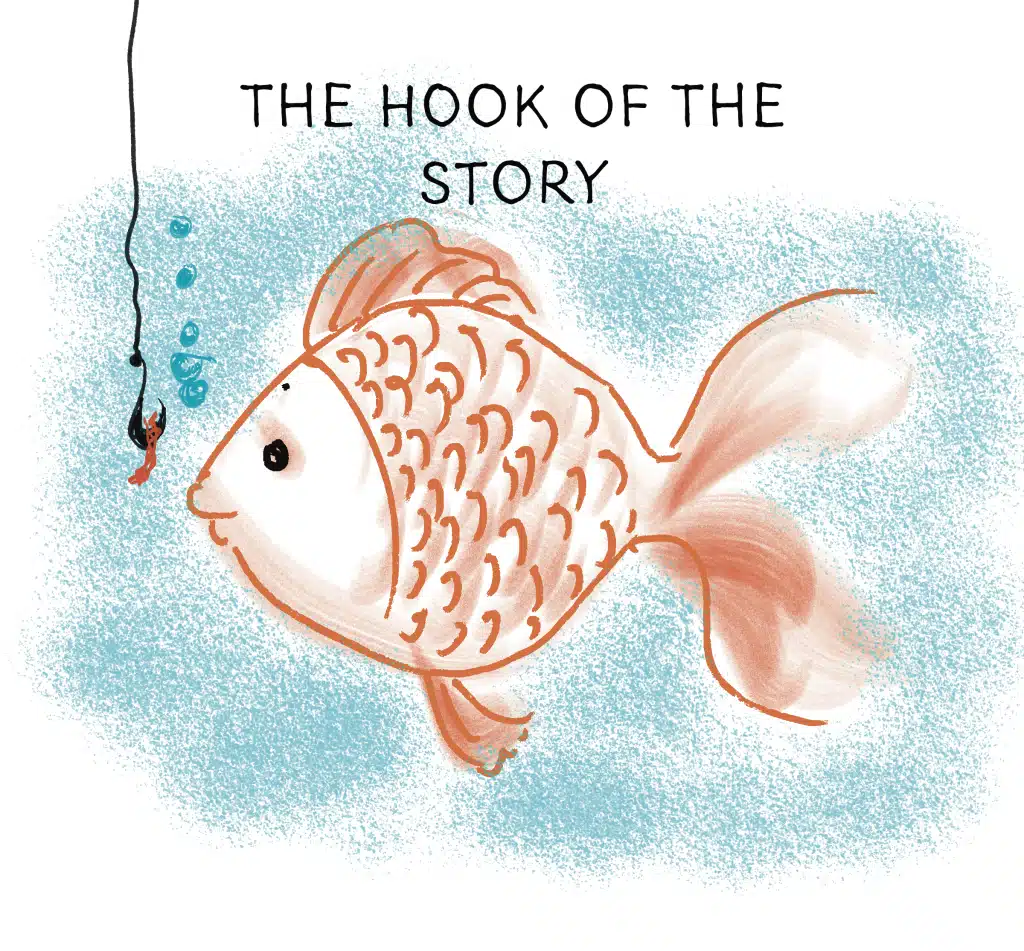
    A fish intrigued by a baited hook symbolizes storytelling's power. Embrace the "Think Like a Filmmaker" approach for attention-winning L&D.

    4. Replace Bullet Points with Micro-Stories

    A bullet is a fact.

    A story is a Trojan horse.

    Stories slip learning into the brain without resistance.

    Drawing of a Trojan horse, illustrating strategic storytelling in "Think Like a Filmmaker: L&D That Wins Attention." Warm artistic style.

    5. Give Learners Choice

    Just like a streaming platform, offer multiple pathways. For example

    “Choose your toughest scenario:”

    • Handling conflict

    • Negotiating pricing

    • Coaching under pressure

    Choice = autonomy = motivation.

    6. Design for 3-Second Understanding

    If a slide or graphic can’t be grasped in 3 seconds, it won’t survive real work.

    Duarte calls this visual hierarchy.

    You call it reducing the cognitive load.

    Same truth:

    Clutter kills learning.

    7. Add Role-Specific Flavor

    Great films feel “lived in.”

    So should learning.

    Rewrite examples for:

    • Sales

    • Finance

    • Tech

    • HR

    One idea → four contexts → four times the retention.

    8. Use Humor as Cognitive Glue

    Humor disarms the brain.

    It makes learning feel safe, human, and memorable.

    Your cartoon with the overloaded books?

    Use it everywhere.

    It’s relatable. It tells the truth. It sticks.

    9. Show What Happens If They Don’t Change

    Every film has stakes.

    Every lesson should too.

    Instead of:

    “Here’s why listening matters.”

    Try

    “Here’s what happens when a manager interrupts too early…”

    Stakes turn learning into urgency.

    10. End With the “Next Right Action”

    Filmmakers end with the emotional beat that lingers.

    You end with the behavioral beat that changes tomorrow.

    One action. One minute. One win.

    Behavior change happens through tiny, immediate victories.

    This Is the Future of L&D

    Not more content.

    Not more modules.

    Not more slides.

    But learning that is shaped like a story that is

    Emotional

    Context-rich

    Beautifully visual

    Story-driven

    Role-specific

    Human

    Learning that whispers the right idea at the right moment –

    the way a great film reveals truth in a single scene.

    When L&D learns to think like filmmakers,

    employees stop avoiding learning…

    …and start seeking it.

    Because finally –

    learning feels like something worth paying attention to.


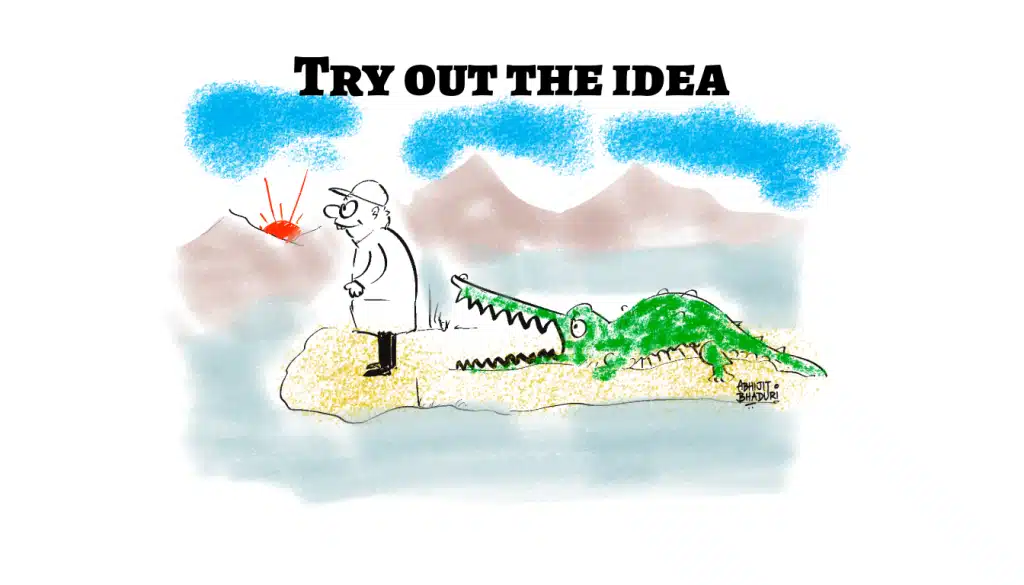
    Cartoon of a man standing on a shore with a crocodile, pondering a shining red object. Text reads: "Try Out The Idea." Perfect for "Think Like a Filmmaker: L&D."
    Think Like a Filmmaker: L&D That Wins Attention

    What’s the first five seconds of your next learning piece – write the exact opening line you’d use to make your audience lean in.

    • “You’re 3 minutes into a client call when…”
    • “Your deploy just failed and the dashboard shows…”
    • “Your new hire asks a question you didn’t expect: ‘…’”
    • “You’re about to hit ‘send’ when you notice…”
    • “The customer goes quiet after you say…”

    Which opener can you start MOST of your workshop designs with?

  • 100 million and lonely

    100 million and lonely

    Japan is already there: adult diaper sales exceed baby diapers. More spending on senior living facilities than Montessori schools. More pet food than baby formula. Families used to be factories of belonging. No longer so.

    Four people sit solo in a cafe, lost in thought. They're part of 100 million feeling lonely in a busy world. Moments captured in black and white.

    The world has 100 million more single people today than if coupling rates had stayed at 2017 levels. In America, 50% of men and 41% of women aged 25-54 now live without a spouse or partner—double the rate from five decades ago. In China, there will be 30-50 million “excess men” by 2027. South Korea, Japan, India, and across Europe, the pattern repeats: people aren’t pairing up. Read more in the latest issue of The Economist

    This isn’t a dating crisis. It’s a structural shift that’s quietly redesigning our entire economy, and most business leaders are completely unprepared for what’s coming.

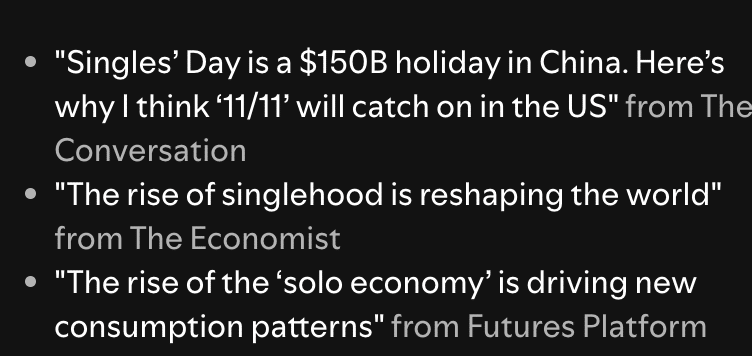
    Peter McGraw, a behavioral economy prefers to use the term The Solo Economy which is a $150 billion holiday in China.

    List of articles on Singles' Day, singlehood trends, and the solo economy reshaping consumption for 100 million.
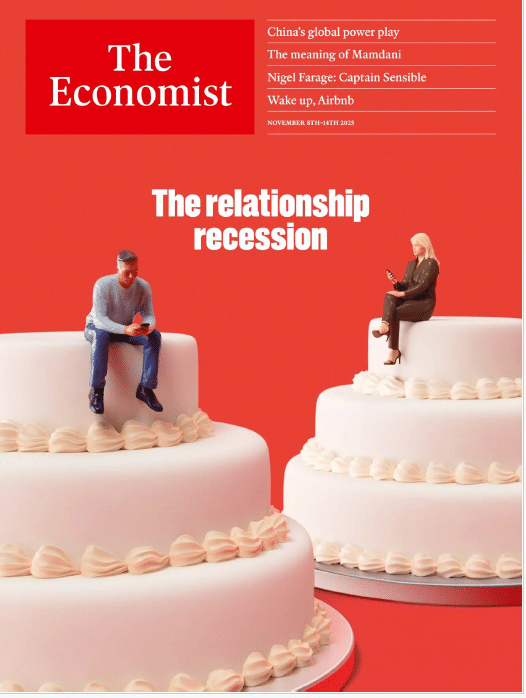
    Two lonely figures sit on giant cakes, engrossed in phones. Exploring the theme of a 'relationship recession' affects 100 million people.

    Why This Is Happening: The Perfect Storm

    The Demographics Don’t Lie Start with raw numbers. India has 20 million surplus boys from sex-selective abortions. China’s ratio hit 119 men per 100 women. But the West has the opposite problem—college enrollment is now 60% female, 40% male. In America and Europe, educated women outnumber educated men at marriageable ages, creating a different kind of mismatch.

    The Economic Reality Check From an anthropological lens, marriage has historically been an economic necessity. You couldn’t afford housing alone. You needed two incomes to raise kids. You pooled risk. But now? High-earning individuals—especially women—can self-insure. The economic imperative has weakened just as the cultural one has.

    The Psychology Shift Here’s where it gets interesting: 62% of single American women say they don’t want to date, versus only 37% of single men. The COVID-19 pandemic alone created 13.7 million additional singles. Psychologists observe that people’s “standards” aren’t just rising—they’re fundamentally changing what partnership means. From a behavioral economics view, we’ve gone from “satisficing” (good enough) to endless optimization, with dating apps creating the illusion of infinite choice.

    When women want someone who is more than six feet tall, then 85% of the population is ruled out. In choosing a romantic partner, the list includes

    • Shares religious beliefs, food preferences and political views
    • Loves the same sports or hobbies or travel choices
    • Educated more than the advertiser unless the person earns more
    • Does not/ does smoke or drink or recreational drugs
    • Kind, generous, forgiving, adaptable and has a sense of humor
    • Loves/ is not allergic to my pets etc etc etc etc
    Friendly woman inviting connections; perfect for anyone feeling lonely among 100 million. Ideal for networking or socializing opportunities.

    The Technology Trap Social media and dating apps promised connection but delivered comparison. Young people now spend twice as much time gaming and streaming as they did in 2011. Face-to-face socializing has plummeted. Marketers call this “para-social relationships”—people developing one-sided bonds with influencers, streamers, and yes, AI. Seven percent of young singles now say they’d consider an AI romantic partner.

    The Ripple Effects Are Everywhere

    The Housing Market Is Reconfiguring Two-bedroom apartments were designed for couples. Three-bedrooms for families. But singles need space too—for home offices, hobbies, guests. Real estate developers are finally catching on: micro-studios were the wrong bet. The future is one-bedroom “flex” units and co-living spaces with private bedrooms and shared amenities.

    In South Korea and Japan, entire neighborhoods of “one-person households” are emerging. In the U.S., the surge in single living is driving demand for urban housing even as family-oriented suburbs stagnate. If you’re in commercial real estate, watch this: single-person households spend 30% more per capita on housing than coupled ones.

    Cars: From Family Haulers to Solo Pods The auto industry built its fortune on family sedans and SUVs. But singles don’t need seven seats. They want different things: luxury interiors (your car is your sanctuary), advanced safety features (no co-pilot), and increasingly, they don’t want to own at all. The subscription model? Partly driven by single urbanites who want flexibility over commitment—even with vehicles.

    The Pension Time Bomb Here’s the nightmare scenario for actuaries: pension systems were designed assuming people would couple up, have kids, and those kids would support the tax base. But singles have fewer children (obviously) and save differently. They’re more likely to have career gaps, earn less over a lifetime (no “marriage premium”), and live alone in old age—requiring more social services, not fewer.

    Japan is already there: adult diaper sales exceed baby diapers. More spending on senior living facilities than Montessori schools. More pet food than baby formula. This is coming to America and Europe within 5-7 years.

    Office Buildings Are Obsolete (Partly Because of This) Everyone blames remote work for empty offices. But there’s another force: single people don’t need to “get out of the house” the way families do. They actually like their apartments. They’ve invested in making them comfortable. The psychological need for a “third place” (not home, not work) is higher than ever, but traditional offices aren’t it.

    Smart companies are converting would-be office space into social clubs, hobby workshops, and community centers. The loneliness economy is real, and it’s worth billions.

    The Benefits Revolution Corporate benefits packages are still designed for 1950s families: spouse healthcare, parental leave, “family” plans. But modern benefits should include: egg freezing and fertility support (for women delaying partnership), mental health stipends (loneliness is the new smoking), pet insurance (65% of singles own pets), sabbaticals (singles are more mobile), housing assistance (the new courtship currency).

    Companies offering “single-friendly” benefits have 20-30% better retention among under-40 talent in recent studies. Yet most HR departments haven’t caught up.

    Seven percent of young singles now say they’d consider an AI romantic partner.

    Marketing’s Demographic Blindspot Advertisers still default to couples and families. But singles control trillions in spending—and they spend differently. They’re more likely to splurge on experiences (no one to judge), invest in hobbies (time abundance), buy premium versions (no one to split with), and prioritize convenience (time scarcity without a partner).

    The pet industry has exploded partly because of this: dogs are surrogates for partnership and family. Premium pet food, pet insurance, doggy daycare—these are relationship-substitute markets hiding in plain sight.

    The Talent Pool Inversion Anthropologically, marriage used to be about survival. Now it’s about optimization. The result? The most educated, capable, high-earning people are least likely to partner up. In China, college-educated urban women face stigma for being “too successful to marry.” In the West, men without college degrees struggle to attract partners who out-earn them.

    For employers, this means your highest performers are disproportionately single and facing unique stressors. They’re also your most mobile employees—no spouse to coordinate with, no kids’ schools to consider. Retention requires different strategies.

    Preparing for 2026-2028

    For Real Estate & Infrastructure:

    • Redesign residential units for “flex living” (one person who sometimes hosts)
    • Invest in “third places”: not offices, not homes, but community spaces
    • Senior housing will outpace family housing in most developed markets

    For Employers:

    • Audit your benefits by 2026: Are they single-friendly?
    • Create community infrastructure at work (it’s existential now, not nice-to-have)
    • Rethink geographic requirements: singles are mobile, use it strategically
    • Mental health support isn’t optional anymore—budget for it

    For Marketers & Product Developers:

    • Singles are your growth segment: study their spending patterns
    • “Table for one” should feel premium, not sad
    • Convenience, experience, and self-care categories will boom
    • The “loneliness economy” (pets, AI companions, social clubs) is a trillion-dollar opportunity

    For Policy Makers:

    • Pension systems need fundamental redesign by 2030 or they’ll collapse
    • Immigration policy should account for demographic imbalances
    • Urban planning must shift: fewer playgrounds, more dog parks
    • Tax structures built around married couples are increasingly regressive

    For Investors: Hot sectors for 2026-2028:

    • Senior living facilities (not nursing homes—luxury “third act” communities)
    • Pet industry (premium services, not just food)
    • Mental health tech (especially for men)
    • Social infrastructure (co-living, social clubs, hobby communities)
    • Fertility tech (egg freezing, IVF)
    • AI companionship (yes, really)

    Read more: The Futures Platform

    The Bottom Line

    This isn’t about morality or “fixing” a problem. The relationship recession is a structural economic shift as significant as women entering the workforce or the rise of dual-income households.

    By 2028, the effects will be impossible to ignore:

    • Urban housing markets will look fundamentally different
    • Benefit packages will have evolved or companies will struggle to retain talent
    • Entire industries (senior living, pets, mental health, community spaces) will have exploded
    • Pension systems will be in crisis mode in most developed nations
    Think of it as a design challenge

    The 100 million person gap isn’t a dating problem. It’s a design challenge for civilization itself—and the companies, investors, and leaders who understand this earliest will build the next decade’s winners.

    What are you seeing in your industry? How is the rise of singlehood changing your business? Let’s discuss in the comments.

    #FutureOfWork #Demographics #BusinessStrategy #RealEstate #HRTrends #Marketing #Innovation

  • How to use the Ikea Effect

    How to use the Ikea Effect

    A friend had invited me home for dinner. “I am making noodles,” he had texted me. He opened the door and invited me to his kitchen, opened a packet of instant noodles and served it. He had promised me noodles and he had made good. Why was I disappointed? Because I expected him to at least do something more. He could have chopped some vegetables or added a fried egg. He had not put in ANY effort to claim he had MADE the noodles.

    The egg and vegetables that I added made it MY COOKING

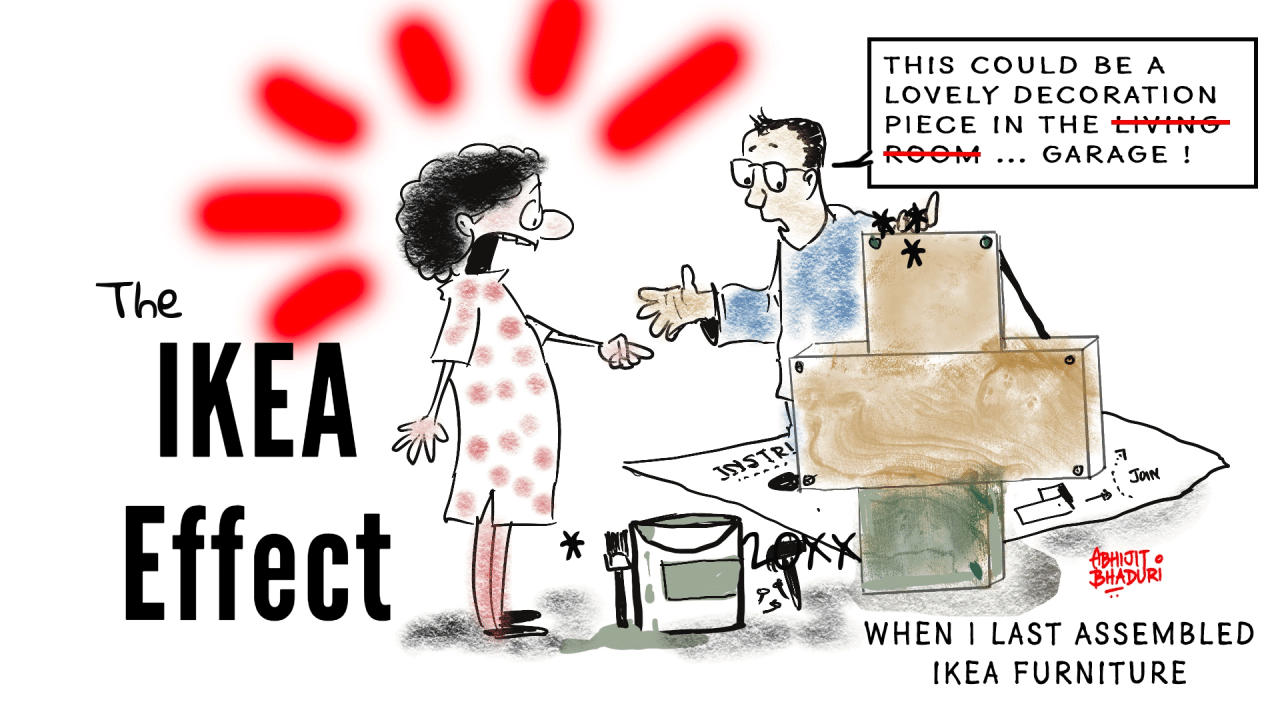
    Researchers have demonstrated that consumers place a higher value on products they have partially created or assembled themselves, irrespective of the quality of the end product. This phenomenon, where personal effort translates into increased perceived value and affection, was notably observed with simple tasks like assembling IKEA furniture or even folding origami.

    The Ikea Effect

    Applying the IKEA effect

    I had once worked with a client on redesigning their onboarding program. The receiving team designed the onboarding – not HR. They came up with clever ways to introduce the team to the new hire. They designed clever games to explain the org structure and the product line. In the process of designing this the team got fully vested in ensuring that the new hire was successful. It was way more fun than anything a centralized onboarding team designs.

    What if…

    Instead of the L&D team designing the workshop and facilitating it, letting the participants tweak the design, add to the examples and case studies could work wonders. We would stop having to issue mandates and diktats to the participants to attend the workshops and instead have them look forward to seeing how their work lands in the classroom.

    The IKEA effect is a fascinating finding. You buy a flat-pack wardrobe, spend hours deciphering cryptic instructions, fumbling with Allen wrenches, and perhaps even installing a piece backward. But once it’s finally standing, you look at it with a sense of accomplishment. It’s not just a wardrobe; it’s the wardrobe you built. You might even forgive its wobbly door more readily than you would a pre-assembled, perfect one.

    The IKEA effect is everywhere

    Knitting a Scarf: You could buy a beautiful, machine-knitted scarf for a reasonable price. But if you spend weeks knitting one yourself, dropping stitches, unraveling, and starting over, the finished product will hold far more sentimental value. It’s not just warm; it’s a testament to your patience and skill, a tangible piece of your time and effort.

    DIY Home Renovations: People often undertake home renovation projects themselves, even when hiring a professional might be quicker or result in a more polished finish. The satisfaction of tiling a bathroom floor yourself, painting a room, or building a deck isn’t just about saving money. It’s the pride of stepping back and saying, “I did that.” The imperfections become charming quirks rather than flaws.

    In every case, the IKEA Effect shows us that effort isn’t just about output; it’s also about input. The more we put into something, the more we value it, not necessarily because it’s objectively better, but because it carries the indelible mark of our own personal investment.

    How to get people to pay attention

    Attention is scarce. In a world overloaded with messages (social media, ads, noise), the hook is your gatekeeper. If you fail in seconds, you lose the chance. People don’t follow ideas—they follow people. The “mascot + conviction” combo anchors the message in a person they can invest in. Trust is the oxygen of influence. Without trust, your message is ignored or dismissed. But with it, even tough truths land. Stories move hearts; numbers move minds. You need both, but stories open the emotional door. Likeability softens resistance. When someone is witty, warm, or relatable, we forgive more and lean in more.

    Should you self-publish?

    Kevin Kelly is someone who knows a thing or two about publishing. But does he know enough about self-publishing? The answer is yes. I read his 16 page research on self publishing vs finding an agent.

    This cartoon is actually a one line summary of the 16 pages that Kevin Kelly wrote: First find out the size of your readership. Before that don’t write a book.

    Read about 1000 True Fans You Need Before You Publish

    Read about how to get people to pay attention

    Captions are auto generated

    PlayMedia is loadingPlayPlayLoaded: 0%0:00Stream Type LIVERemaining time -0:00 1xPlayback speedPlayback speed0. 5×0. 75x1x, selected1. 25×1. 5×1. 75x2xTurn closed captions offShow captionsUnmuteTurn fullscreen onFullscreenMedia player modal window

  • Job Descriptions Are Dead. How To Upskill?

    Job Descriptions Are Dead. How To Upskill?

    Your company’s ability to truly benefit from AI isn’t just a tech problem—it’s a people and learning challenge that requires a complete cultural and mindset reboot.

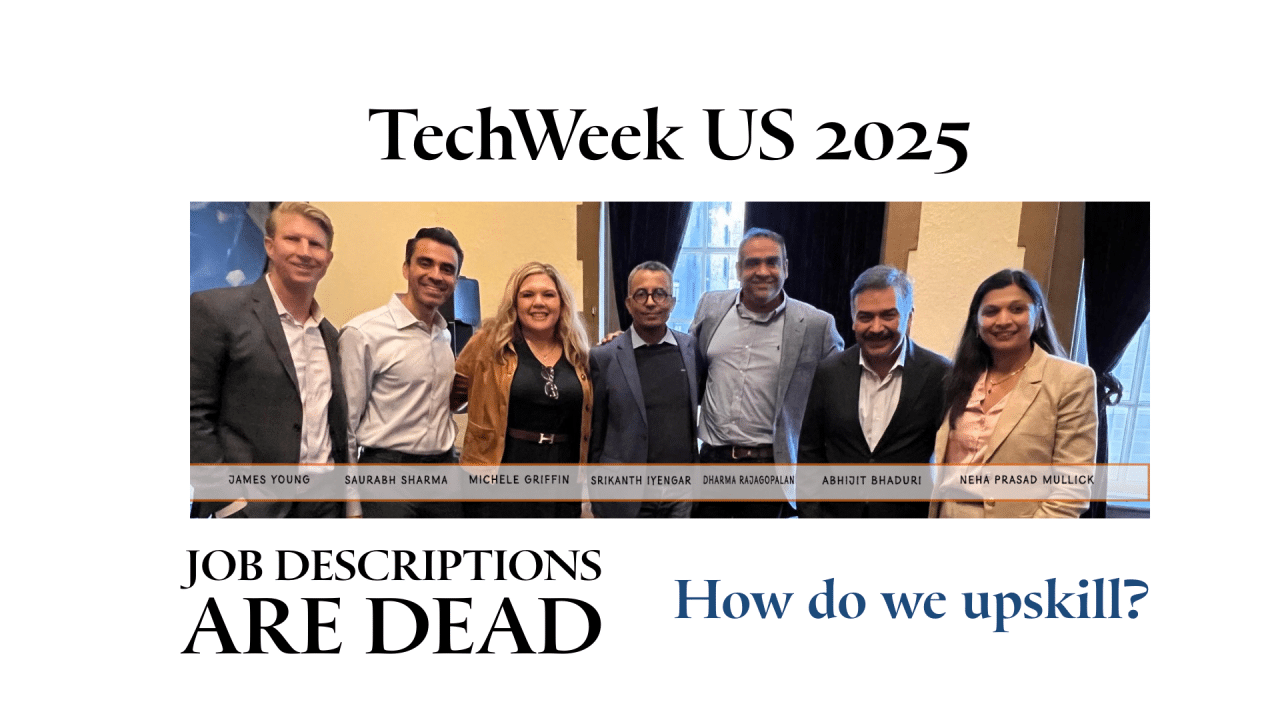
    October in San Francisco is always a whirlwind, and the SF Tech Week of 2025 was the decentralized brain of the tech world, drawing in the biggest names, from top investors to pioneering founders. The central question wasn’t about the next gadget, but the next generation of workers.

    upGrad Education —a recognized leader in enterprise upskilling—convened a phenomenal panel to tackle the most critical issue facing leaders today: Talent Readiness for the AI Era.

    upGrad Education released the The Workforce Wishlist 2025: United States of America – the CEO Srikanth Iyengar summarized the 3 biggest take aways. Wait for it.

    The Heavy Hitters: Who Was on the Field? (A Panel with Punch)

    Our session, expertly moderated by Michele Griffin (Founder, PremierGTM, and former a16z veteran), featured a dream team:

    James Young (Sr MD, Slalom)Saurabh Sharma (Chief Product Officer, You. com)Dharma Rajagopalan (SVP, Growth, Automation Anywhere)Yours truly! You can follow me on Linkedin

    The conversation was electric, focusing on how roles and talent strategies are evolving, what’s broken in traditional learning, and how companies can partner on talent readiness.

    Mindset is Your Most Valuable AI ‘App’ (Behavioral Insight)

    AI threatens the very core of our professional identity. In my segment, I shared my take on AI adoption through the lens of Behavioral Science, noting that AI can trigger the “threat response” in David Rock’s SCARF Model (Status, Certainty, Autonomy, Relatedness, and Fairness).

    As an employee, if AI makes you feel less important (Status) or unsure about your future (Certainty), you’re going to resist. That’s just human nature! We slow ourselves down without addressing those fears.

    Neha Prasad Mullick of upGrad hit the nail on the head:

    “Psychological safety drives adoption and sustainability — fostering an environment where employees feel safe to experiment, fail, and learn with AI accelerates personal growth and directly contributes to long-term business sustainability.”

    This requires reframing the employee’s identity. Roles are shifting from Fixed Jobs to a portfolio of fluid capabilities. Our job is to help people move up the three levels of AI skills: learning about AI, learning with AI, and using AI in reimagining work.

    Broken Models: Why Your Training is a Dinosaur (Data Analysis)

    We looked at the challenges in enterprise AI adoption. According to insights stemming from the UpGrad initiative, two key issues keep emerging:

    AI Transformation is often Tactical, Not Strategic: As Neha explained, “leaders need to integrate AI initiatives into their mid- to long-term strategic plans rather than treating them purely as short-term efficiency exercises.” If it’s just a quick fix, it won’t stick. The Content Gap: The traditional learning model is broken because it offers generic content. Users today are used to Hollywood-level content and storytelling. You can’t just offer a PDF and expect engagement. We must build confidence, not just skills, by fostering a culture where making mistakes is the path to fixing them.

    James Young Senior Managing Director from Slalom Marketing Consulting reinforced this, saying that AI has unlocked “a new dimension for just-in-time, personalized experiences at a scale previously not possible. ” If we’re still doing generic, once-a-year training, we’re missing the point.

    Learning’s Not a Lecture, It’s a Lifestyle (Action Steps)

    So, how do we fix the learning model? The best advice came from the audience and the panelists—a clear signal of what leaders should start, stop, and prioritize now.

    Dharmendra Sethi, CVP of GlobalLogic, summarized his takeaways perfectly:

    “Make learning a habit, not an event… Build a culture of continuous learning using nudge theory. ”

    The path to talent readiness is simple, but not easy:

    START by curating customized, role-specific learning pathways. STOP just rolling out tools. Instead, redesign workflows entirely. Dharmendra noted, “Tie learning to live projects and evolving roles so people reinvent how they work, not just what they click.”PRIORITIZE cross-functional collaboration. Measuring the true ROI of AI investments is complex and “demands coordinated effort across all business functions,” as Neha observed.

    This strategic shift is what unlocks growth. As Dharma Rajagopalan of Automation Anywhere put it, what’s exciting is that agentic automation is moving beyond cost savings:

    “We’re entering a new era where automation becomes a revenue driver — fueling growth, accelerating innovation, and helping teams deliver real, measurable impact.”

    The key to harnessing this potential? Collaboration—across enterprises, system integrators, and startups, ensuring the workforce is as adaptable as the technology itself.

    The future is collaboration between humans and with AI

    The future of talent is not about competing with AI; it’s about collaborating with it, which starts by prioritizing cultural and mindset change. Leaders must pivot from viewing training as a cost-center event to fostering a continuous learning habit built on psychological safety and personalized, context-driven content.

    I write about the intersection of leadership, learning, and future-of-work trends in my weekly newsletter. Don’t miss the next issue! Subscribe here.

    What is the one thing your company should stop doing today to truly prepare for the AI era? Share your thoughts in the comments below!

    The Workforce Wishlist 2025

    The CEO of UpGrad summarized the 3 ideas that caught his eye

    Captions are auto generated

    PlayMedia is loadingPlayPlayLoaded: 0%0:00Stream Type LIVERemaining time -0:00 1xPlayback speedPlayback speed0. 5×0. 75x1x, selected1. 25×1. 5×1. 75x2xTurn closed captions offShow captionsUnmuteTurn fullscreen onFullscreenMedia player modal window

    The 3 Big Take Aways

    Imagine if your adventure meant a broken spine, would you repeat the adventure?

    Abhilash Tomy is a two time circumnavigator of the globe. He spent more than 500 days at sea in a boat that just had power for a battery to power the satellite in case of a mishap. What happened then is unbelievable. Listen to this man on 15th Oct at 5pm India Time. Go to linkedin. com/in/abhijitbhaduri and find the top post and click “Join”

    Reading now

    Have you read this book? I just started. Will write a review soon. Read it first at https://www. abhijitbhaduri. com add your email and get all the stuff in your mailbox.

  • When “Fake” Becomes More Real Than Reality

    When “Fake” Becomes More Real Than Reality

    The surprising connection between China’s “pretend to work” offices, India’s fake weddings, and America’s doom spending and what it reveals about the future.

    Picture this: In Beijing, a 40-year-old professional pays $4 to sit at a desk in an office called “Pretend to Work Co.” She’s not employed there. There’s no salary. But she shows up six days a week, working on her side hustle, surrounded by others doing the same. The founder jokes that one door labeled “Chairman’s Office” opens to the fire escape.

    Meanwhile in Delhi, thousands of young Indians are buying tickets (anywhere from $13 to over $100) to attend elaborate wedding celebrations. There’s a baraat procession, mehendi artists, choreographed sangeet dances, a staged varmala ceremony, and mountains of food. The only thing missing? An actual bride and groom. No one’s getting married. Everyone’s just there for the party.

    These aren’t isolated oddities. They’re signals of something profound happening globally.

    The Pattern You’re Not Seeing

    At first glance, these trends seem absurdly specific. But look closer:

    In Beijing: People pay to “pretend to work” In Delhi: Thousands attend weddings with no bride or groom In America: 1 in 5 are “doom spending” (making impulsive purchases driven by economic anxiety)

    What connects them all?

    The Numbers Are Staggering

    This isn’t fringe behavior. This is mainstream:

    $175. 8 million: India’s fake wedding market projected by 203219%: Americans currently “doom spending”70%: Chinese who own smartphones, turning attention into income through livestreaming

    Performance Without Reality

    Both trends involve people paying to perform traditional social roles without any of the actual commitment, obligation, or long-term consequences.

    In China’s “pretend to work” offices, people pay to occupy workspace and maintain the appearance of employment without actual traditional employment. But here’s what’s fascinating: the people in these offices aren’t pretending at all. They’re working hard (reinventing themselves, creating new businesses, or monetizing their temporary unemployment).

    Fake Indian weddings recreate all the elements of a traditional wedding celebration (the lights, outfits, music, food, and celebration) without an actual bride, groom, or marriage. They offer all the music, food, and celebration without the family politics or financial burden.

    The Radical Truth

    Here’s where it gets interesting:

    These “fake” experiences generate REAL:

    CommunityIncomePsychological benefitsOpportunities

    Meanwhile, “real” institutions:

    ExploitDisappointTrapBreak promises

    Which one is actually fake?

    What They’re Running From

    These trends are responses to real, crushing pressures:

    996 work culture (9am to 9pm, 6 days/week)

    Family pressure & judgmental relatives

    Financial burden of traditional milestones

    Systems that promise security but deliver burnout

    Since the pandemic, China’s economic slowdown has affected almost everyone. Real estate has slashed local government revenue, banks are lending less, and big tech companies have cut workforces for three years running. Mid-career employees face “the curse of 35” (being replaced with younger, cheaper workers).

    In India, traditional weddings are massive financial undertakings that can put families in debt for years. The wedding industry is worth $130 billion, but Gen Z is less tied to life scripts of marriage and property, yet maintains a strong desire for collectivity and structured social experience.

    “When the rules are rigged, people rewrite them.”

    What They’re Running Toward: The Great Unbundling

    For centuries, major life institutions came as package deals:

    Marriage bundled: romantic love + social status + financial security + family approval + legal benefits

    Work bundled: income + identity + daily structure + community + purpose + status

    You couldn’t pick and choose. You took the whole package or nothing.

    These trends represent modular identity consumption (picking which aspects of traditional institutions to experience without buying the whole package).

    Fake weddings extract:

    ✅ Celebration, aesthetics, community, Instagram content

    ❌ Lifelong commitment, in-laws, financial burden, legal entanglement

    Pretend work extracts:

    ✅ Structure, community, psychological benefits, networking, entrepreneurial support

    ❌ Corporate hierarchy, exploitation, burnout, powerlessness

    They’re not rejecting tradition. They’re REMIXING it.

    It’s Not Just Coping. It’s Cash.

    These aren’t merely psychological coping mechanisms. They’re economic engines.

    “Pretend to work” offices become:

    Content creation hubsReal business incubators

    One regular visitor, a mother of two who left her finance job, developed an adult product line while renting desk space there. She found support among people who would listen to her sales pitch and make suggestions. She comes in six days a week. The relationships are real. The business development is real.

    Fake weddings generate:

    Instagram contentInfluencer opportunitiesA $175M+ industry

    In China, nearly 70% of the population owns a smartphone. Livestreaming has become a monetization strategy where any attention is potentially monetizable (people can convert tips from virtual gifts into real money).

    The performance isn’t the end goal. It’s the funnel. The “fake” experience generates real content, which generates real attention, which generates real economic opportunity.

    The “performance” IS the product.

    The Bigger Picture

    These trends fit into a constellation of related movements sweeping the world:

    Tang Ping (Lying Flat) ↓

    Quiet Quitting ↓

    Doom Spending ↓

    YOLO Economy ↓

    Strategic Simulation

    Each one is saying: “I see through the promises.”

    Tang ping (“lying flat”) began trending in China in April 2021 as a rejection of 996 work culture, with people choosing to lower their professional commitment and prioritize psychological health over economic materialism. The phrase “quiet quitting” (doing only what one’s job demands and nothing more) became popular in the United States in 2022, thought to be inspired by the tang ping movement.

    Now we have “doom spending” (19% of Americans making impulsive purchases driven by fear and anxiety about the future). It’s the same logic as fake weddings and pretend work: if the future feels impossible, extract joy from the present.

    Consumer spending remains surprisingly high despite economic concerns, coining the term “YOLO economy” (an economy driven by consumers prioritizing today over the future). Fake weddings and pretend work offices are simply the experiential version of doom spending.

    Why “Fake” Experiences Feel More Real

    Here’s the paradox: these supposedly “fake” experiences often generate outcomes that feel more authentic than the “real” institutions they parody.

    Fake weddings don’t pretend to be real. Their purpose is not deception but design. They reveal that ritual need not be rooted in belief to be meaningful, offering rare opportunities for co-presence, role-play, and embodied participation for a generation negotiating solitude and digital fatigue.

    The irony isn’t cynicism. It’s armor. It lets people participate in cultural forms they grew up with while maintaining emotional distance from their most oppressive aspects. You can enjoy the spectacle of a wedding without submitting to family pressure about your own marriage. You can maintain work routines without surrendering to corporate exploitation.

    One anthropologist explained that pretending to work is a way to show you’re fed up with social norms while remaining psychologically attached to the idea of working. The very word “pretend” implies choice, giving people a sense of control even as it exposes their vulnerability.

    This is a collective pretense among people who are jobless or unable to see a future in traditional corporate life. People feel solidarity by coming together, developing mutual understanding of their situation.

    The Content Economy Connection

    Remember: China has the second-largest consumer market in the world, and any attention is potentially monetizable. People film unemployed couples dumpster diving or stage performances of going to the office, applying the same logic: more likes, more followers, more potential tips.

    The creator economy is projected to grow from $191 billion in 2025 to $528. 39 billion by 2030, with 41% of U. S. social media users attending in-person influencer events in the past year.

    We’ve moved beyond just documenting experiences. We’re now creating experiences specifically for documentation.

    We’ve moved beyond just documenting experiences. We’re now creating experiences specifically for documentation. Fake weddings are designed to be Instagram-worthy with stunning decor, choreographed dances, and photogenic moments everywhere, with hashtags going viral. This isn’t vanity. It’s strategy.

    Documentation and sharing of experiences are as important to millennials as the experience itself. But the solution wasn’t rejecting technology. It was using technology differently. The fake weddings and pretend work spaces perfectly capture this duality: they’re real-world, embodied experiences specifically designed for digital sharing.

    What This Really Means

    This isn’t cultural decay. It’s strategic adaptation.

    When traditional paths feel blocked and systems feel rigged, conscious performance becomes a form of agency.

    These trends represent a generation saying: “We understand the game is fixed. We know the institutions that stabilized our parents’ lives won’t stabilize ours. We see through the promises. And we’re not willing to sacrifice our entire lives for systems that will discard us anyway.”

    But rather than pure nihilism or withdrawal, they’re doing something more sophisticated: they’re performing the aesthetics of traditional life while maintaining emotional and economic optionality.

    When systems feel broken, conscious performance becomes agency.

    They’re not deluded. They’re radically present to the absurdity and choosing to play on their own terms.

    The genius is that these “fake” experiences often generate real community, real income, real psychological benefits, and real opportunities (making them more authentic than the “real” institutions they parody, which increasingly feel like the actual frauds).

    The Future: What Comes Next

    These trends aren’t going away. They’re early indicators of fundamental shifts in how we’ll organize social and economic life.

    Expect to see more institutions get unbundled. We’re moving toward a world where you can:

    Rent community without commitmentPurchase celebration without obligationPerform identity without permanenceExtract meaning without entrapment

    The traditional life script (education, career, marriage, homeownership, retirement) is already fractured. These trends show what people build from the pieces: temporary, performative, monetizable experiences that provide some of what traditional institutions promised without the burden.

    The Deeper Question

    These trends force us to ask: What is “real” anyway?

    Is a fake wedding where everyone feels genuine joy less real than a traditional wedding where the couple divorces in two years? Is pretending to work while building a real business less authentic than quiet quitting at a corporate job you hate? Is doom spending on experiences that create memories and content less valuable than saving for a retirement you’re not sure you’ll reach?

    Maybe what we’re witnessing isn’t the rise of “fake” anything. Maybe it’s the collapse of the pretense that traditional institutions were ever as real as we claimed.

    The wedding was always a performance. Work was always a constructed identity. The difference now is that people are performing consciously, choosing which scripts to follow, maintaining the right to rewrite or exit at any time.

    In a world where authenticity feels impossible and traditional paths feel like traps, strategic simulation might be the most honest response available. Not because it’s “true,” but because it’s true to the reality of living in late capitalism’s endgame (where everything is performance, attention is currency, and the only winning move is to play the game on your own terms).

    These people aren’t deluded. They’re not checked out. They’re radically present to the absurdity of modern life and choosing to extract whatever joy, community, and opportunity they can from the rubble of broken promises.

    And honestly? That might be the sanest response possible.

    What’s your take?

    Have you noticed similar patterns in your industry or community? Are we witnessing cultural decay or cultural evolution?

    Drop your thoughts in the comments. I read EVERY one.

    Want to go deeper? I’ve created a comprehensive analysis with full data and additional case studies. https://www. abhijitbhaduri. com