What AI Can Do, What it Can’t and How to Tell the Difference
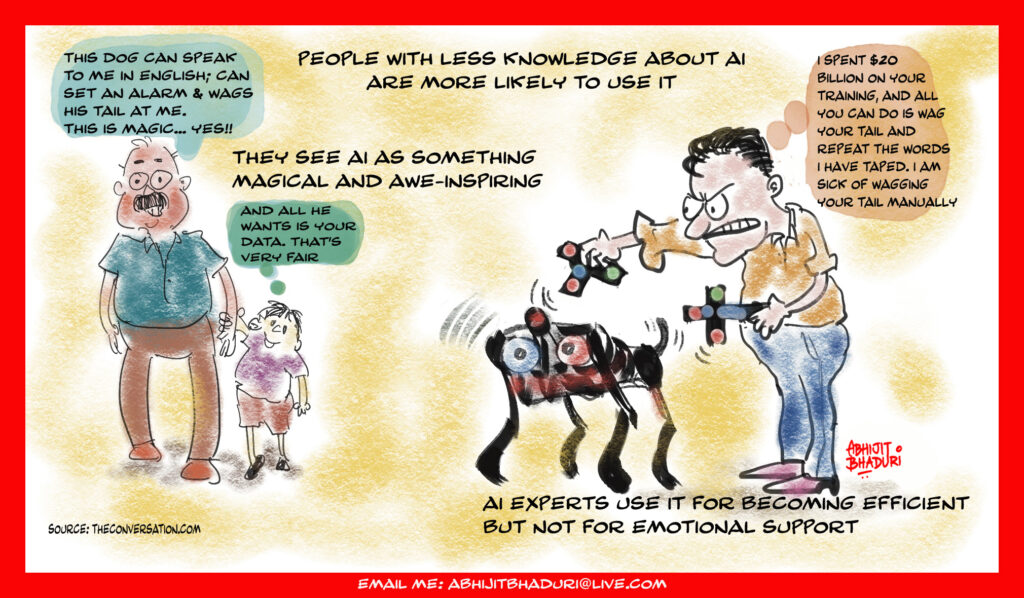
People with less knowledge about AI are actually more open to using the technology. The difference in adoption propensity the “lower literacy-higher receptivity” link. You would imagine the opposite to be true, but it is not. There is something truly magical about some aspects of AI for example. ChatGPT made generative AI accessible to some people. This is the honeymoon period of AI. Everyday there are new claims about what it can do. Before you rush in to invest your money in AI, it is important to learn more.
There are true capabilities and there is a lot of hype. In the world of fake (rhymes with snake) news, make sure you are investing your money or the company’s money in doing things that have a payback. The Chinese Zodiac says that this is the year of the snake.
2025 is the Year of the Snake
In Chinese culture, the Snake is revered as a symbol of wisdom and knowledge. Individuals born in the Year of the Snake are believed to possess deep thinking abilities, keen intuition, and the capacity to uncover secrets and hidden truths. The Snake’s association with transformation and rebirth is linked to its ability to shed its skin and emerge anew, symbolizing renewal and adaptability.
AI is creating business models and forcing legacy players to transform. It is triggering CEO departures more than ever. Shareholder activism along with impatience is driving this. Read more
AI Snake Oil – Book Review
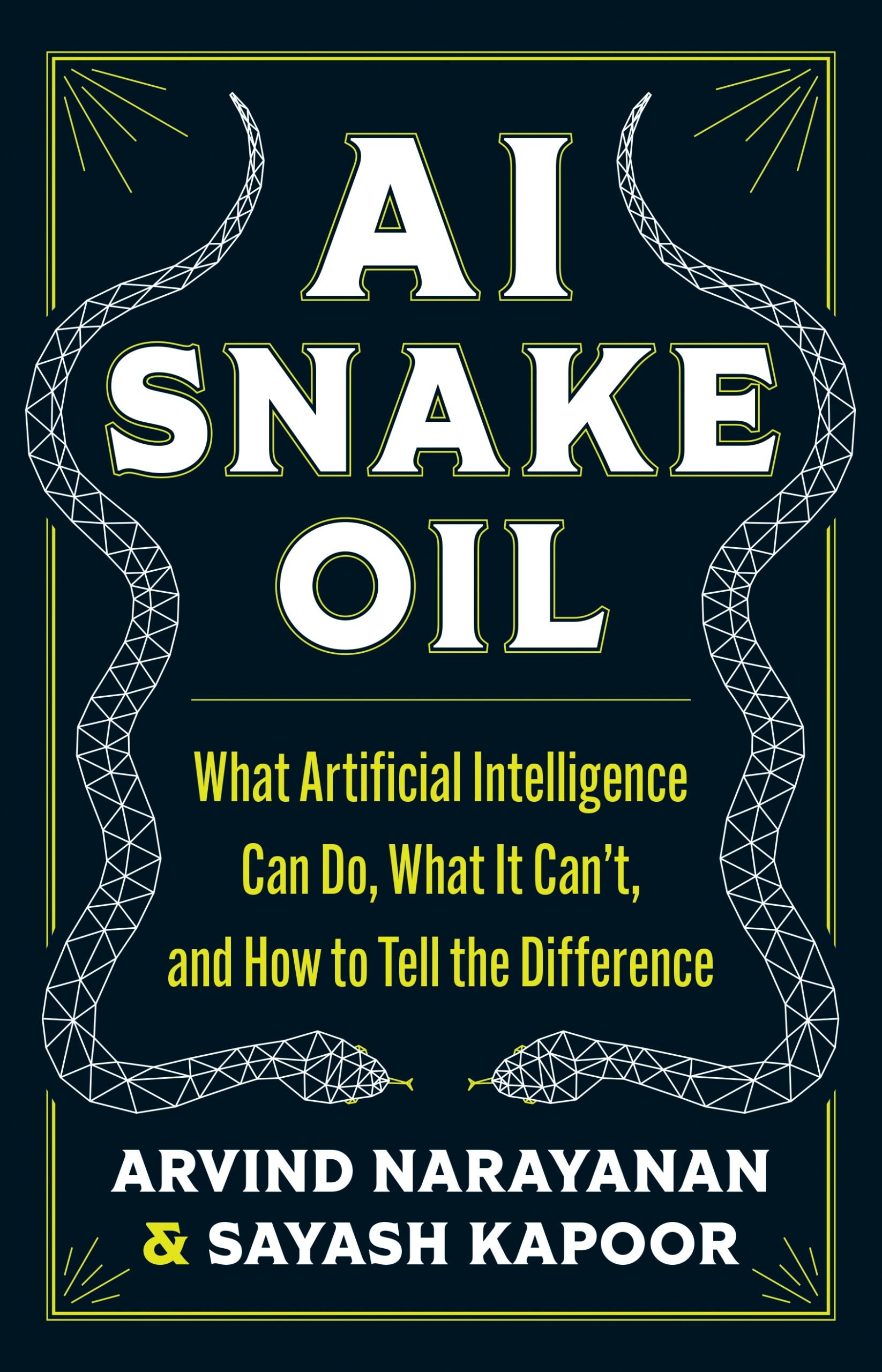
My friend Atanu Basu recommended this book along with a few other titles. I found this an absolutely terrific book to demystify what AI can and cannot do (at least for now). Written by two professors at Princeton Univ, the book created a lens for me to listen to all kinds of claims and counter claims and take a more educated view of AI. Instead of being a starry eyed techno-optimist or doomsday believer, you can take a nuanced view.
In “AI Snake Oil,” Princeton researchers Narayanan and Kapoor provide a nuanced and critical examination of artificial intelligence, distinguishing between genuine advances and overblown claims. The book’s central thesis is that while some AI applications show real promise, others are effectively “snake oil” – solutions that don’t work as advertised but are sold anyway. Their analysis is particularly valuable because it avoids both uncritical techno-optimism and blanket skepticism, instead offering a framework for understanding different types of AI and their specific limitations.
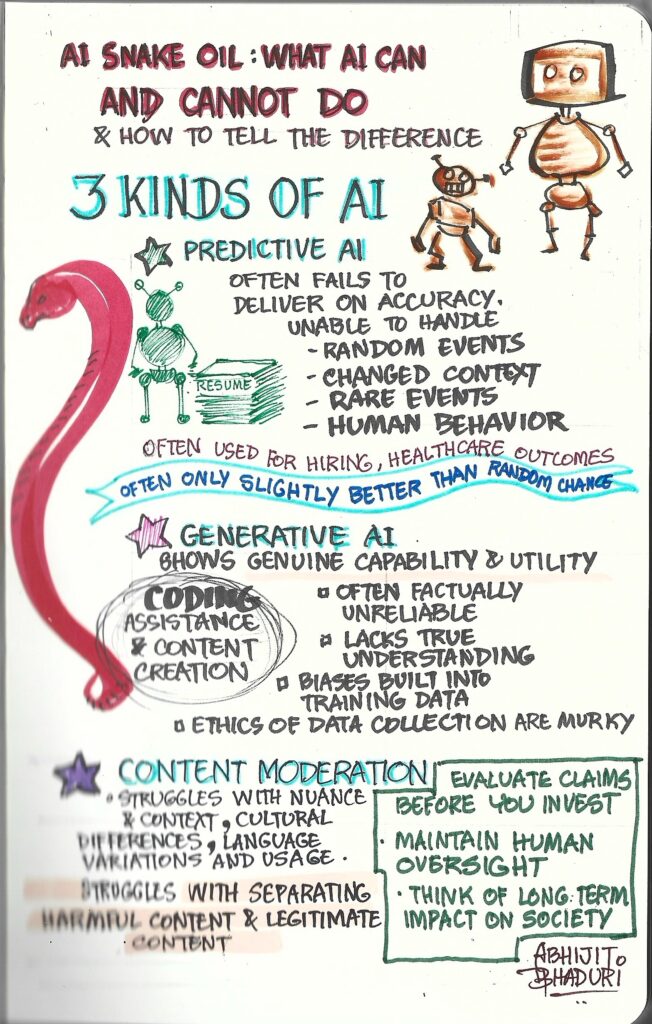
There is not one kind of AI – there are 3 broad types
1. The Three Faces of AI – Predictive, Generative and Content Moderation
a) Predictive AI – this one gets a B- or C
Think of AI being used in hiring or processing medical claims by predicting how long a person needs to be hospitalised. I was fascinated by the section on using predictive AI in hiring. Simply adding a bookshelf in the video background improved candidate scores. Changing resume format from PDF to plain text affected personality scores. Using “fancy” words like “conglomerate” could artificially improve ratings of candidates. There is inherent bias against non-native English speakers. Resume screening tools often missed qualified candidates due to formatting issues
Candidates can fool hiring algorithms by simply adding keywords in white text on their resume. Or by adjusting their speaking patterns. What is worse is when AI is hiring, the candidates don’t know how they’re being evaluated and there’s no meaningful way to appeal decisions.
Once a company has spent money on these tools, they are forced to continue using it to recover costs and will be advocating for their usage to their peers.
b) Generative AI – this one gets an A
It is useful for content creation and coding. It still suffers from factual inaccuracies and hallucination. The human biases in training show up in the output too. Remember how Google got a lot of flak when Gemini changed the look of the US Founding Fathers. Besides there are strong protests raised about how some of these models have stolen data from the internet to train the algorithms.
c) Content Moderation AI – It gets a B or B+ at best
From Facebook to YouTube, any platform that has user generated content has to address how it will deal with content that needs to be moderated. From child pornography to political content and sites that give out questionable medical, financial advice that is useless at best and damaging in many cases, AI has failed to live up to its hype. It fails to distinguish between harmful content and legitimate discussion.
What can be done
Organizations adopt AI as a solution to complex problems. For example sorting the problem of getting a large volume of resumes while hiring, the employers use AI. When done without proper human oversight and accountability, there is no understanding of the limitations of the tech.The market forces drown out the facts. Consider the institutional context and capacity before you implement something because it has the word AI in it.
Conclusion
“AI Snake Oil” is an important contribution to our understanding of AI’s role in society. Its framework for distinguishing between different types of AI and their limitations is particularly valuable. The authors successfully balance acknowledging AI’s genuine advances while critically examining overblown claims and potential harms.