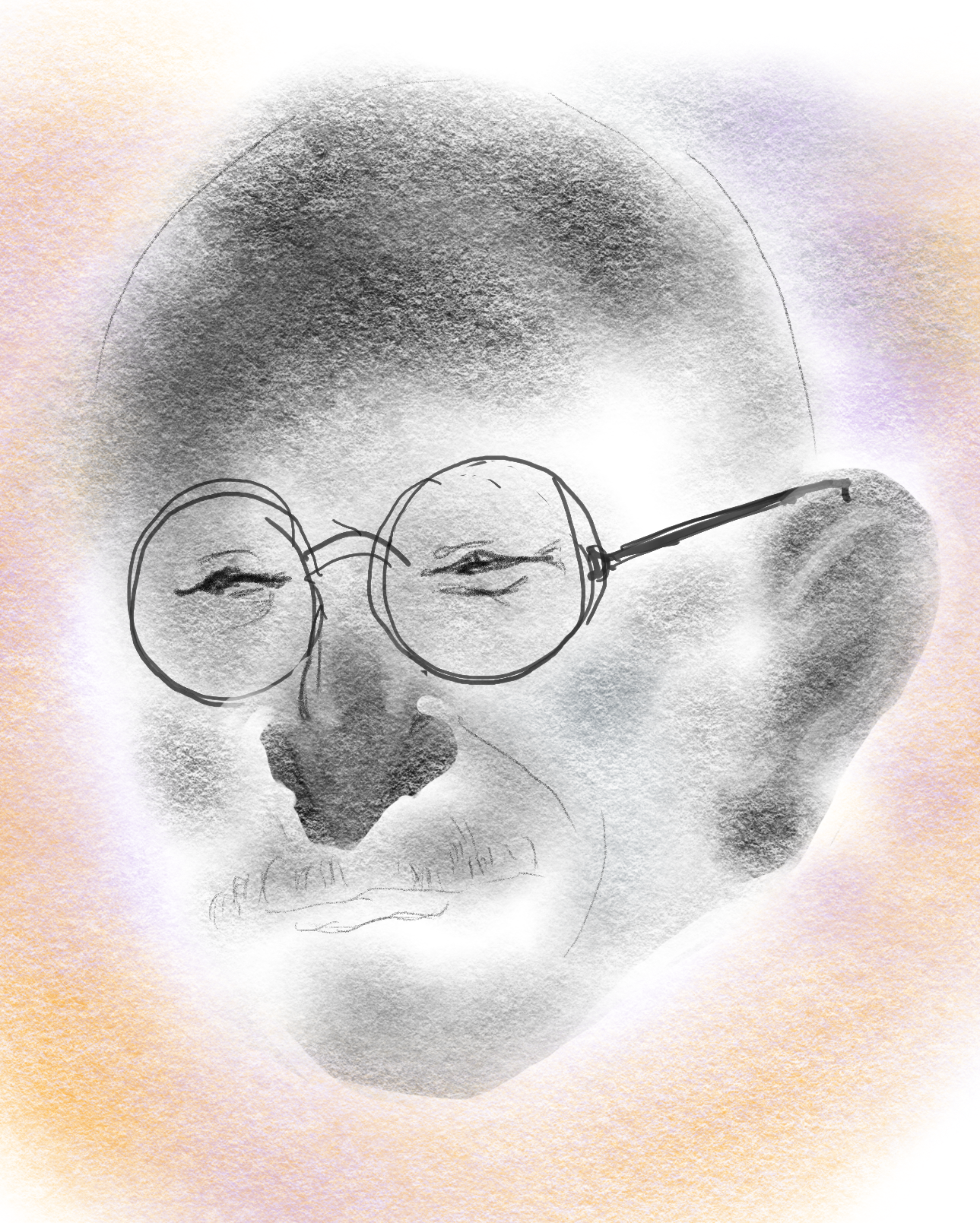
Day: October 3, 2024

  • Gandhi was a Talent Management Guru

    Much has been written about him as a leader, a political strategist, a social reformer and a thought leader who was multifaceted. I don’t recall ever reading anything about him living the Career 3.0 philosophy. I have rarely heard people talk about Gandhiji being a Talent Management Guru.

    He possessed an uncanny ability to discover, groom, and nurture diverse talents across various strata of Indian society. Gandhi empowered numerous individuals who later became influential leaders themselves. His approach built a strong, diverse team that helped shape India’s future.
    Some leaders Gandhiji nurtured and built from different parts of the country and beyond.

    1. Jawaharlal Nehru: As a close associate, Gandhi recognized Nehru’s leadership potential and intellectual prowess, guiding him to take over leadership of independent India.

    2. Sardar Vallabhbhai Patel: Gandhi nurtured Patel’s organizational skills, allowing him to unify diverse factions within India and lead the nation’s integration post-independence.

    3. Gopinath Bordoloi: Gandhi groomed him to who ensure Assam’s peaceful integration into India. Gandhi’s strength was in empowering people to take charge and lead in their regions, turning ordinary individuals into extraordinary leaders.

    4. Dr. B.R. Ambedkar: While initially at odds, Gandhi’s dialogues with Ambedkar helped elevate discussions on social justice and the rights of marginalized communities.

    5. Sarojini Naidu: Gandhi recognized Naidu’s eloquence and leadership among women, fostering her role as a key figure in the freedom struggle.

    6. V.K. Krishna Menon: An astute diplomat, Gandhi’s mentorship helped Menon navigate international politics and represent India on the world stage.

    7. Mirabehn (Madeleine Slade): A British disciple of Gandhi, she embodied his teachings globally, showcasing the universal appeal of his philosophy. Gandhi’s vision of non-violent disbedience continues to be relevant even more today.

    8. Vinoba Bhave: Gandhi supported Bhave’s quest for land reforms, nurturing his vision of Bhoodan (land gift) movement to empower the rural poor.

    9. Acharya Kripalani: A dedicated follower, Kripalani’s leadership in the Congress reflected Gandhi’s emphasis on grassroots mobilization.

    10. Jaya Prakash Narayan: Gandhi inspired JP’s vision for social reform, helping him emerge as a prominent leader in post-independence India.
  • MK Gandhi was a Career 3.0 role model

    Mohandas Karamchand Gandhi (2 October 1869 – 30 January 1948)

    Gandhiji was a role model for leading a Career 3.0 strategy where he used different skills in different ecosystems to pursue his path. His life was a testament to his multifaceted contributions to society. As a lawyer, freedom fighter, social reformer, religious thinker, and writer, he left an indelible mark on the world. His commitment to nonviolence and his philosophy of Satyagraha continue to inspire movements for justice and equality around the globe. His legacy is a reminder of the power of nonviolent resistance and the importance of striving for a more just and equitable world.

    His life, spanning across three continents—India, Europe, and South Africa—was a testament to his versatility and dedication to various causes. Each career choice seamlessly shaped the other choices.

    The Lawyer

    Gandhi’s journey began as a lawyer. After studying law in London at the Inner Temple, he established a law practice in Bombay, India. However, it was in South Africa that he truly found his footing as a legal advocate, fighting against racial discrimination and injustice faced by Indian immigrants.

    Driving Transformational Change

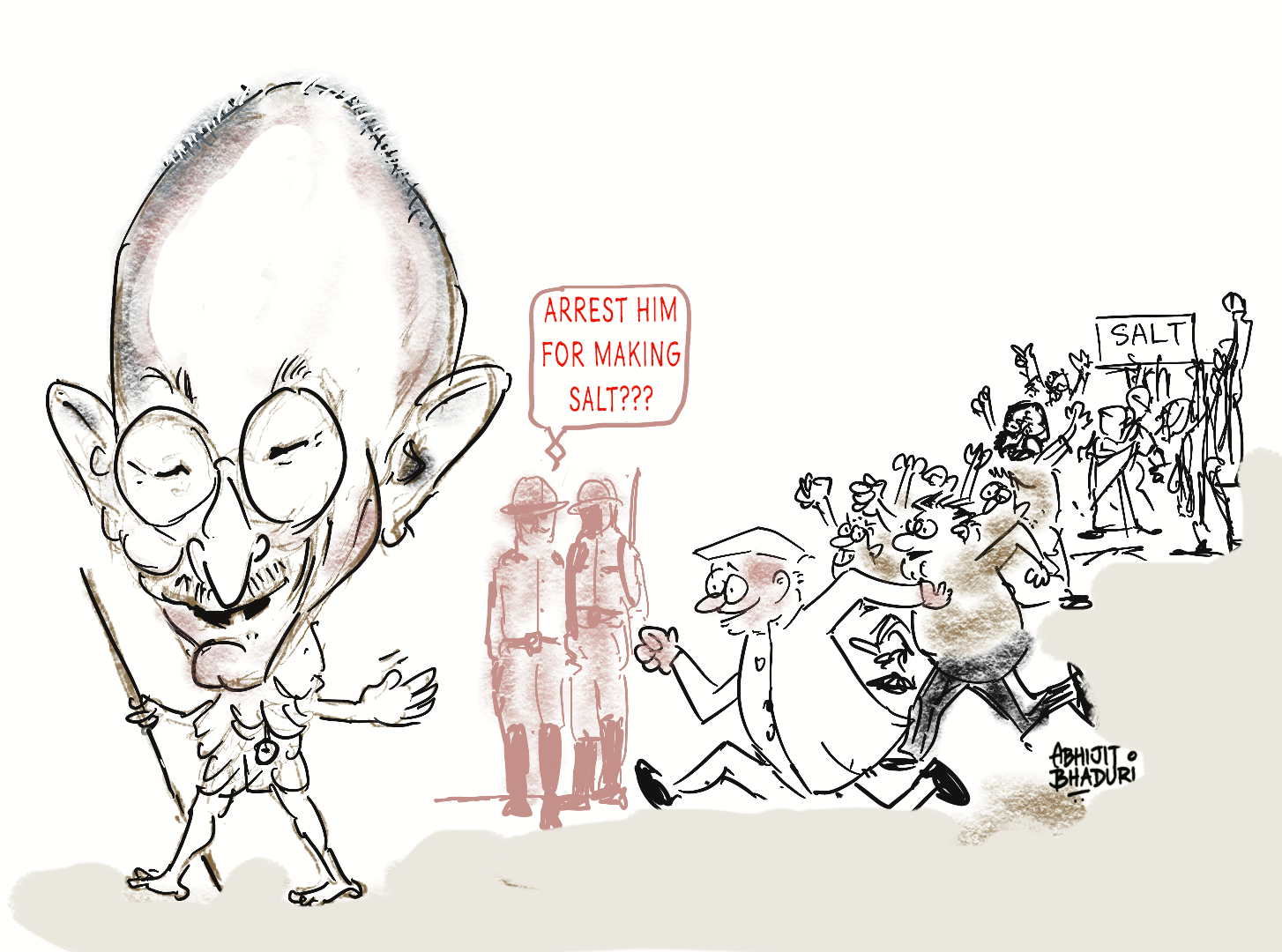
    To create a popular movement, Gandhi understood that he needed to reach the masses and Salt March was a master stroke that catapulted him as a leader of the freedom movement.
    Read more

    The Freedom Fighter and Political Activist

    Gandhi’s most enduring legacy is perhaps his role as a freedom fighter and political activist. He gave the world the powerful notion of Satyagraha, or nonviolent resistance, which became the cornerstone of his campaigns against British colonial rule in India. This philosophy, which emphasizes the use of nonviolent means to achieve political ends, inspired movements for civil rights and freedom across the globe. Gandhi’s legacy extends far beyond his own lifetime. His philosophy of nonviolent resistance has inspired leaders such as Dr. Martin Luther King, Jr. and Nelson Mandela, who used similar methods to fight against racism and apartheid. His influence on global movements for civil rights, minority rights, and women’s rights is undeniable. Gandhi’s relevance is even more, especially in an era marked by political polarization, violence, and social inequality.

    The Social Reformer

    As a social reformer, Gandhi raised consciousness about the deeply ingrained issue of untouchability in Indian society. He believed that social reform was an indispensable function of all religions and worked tirelessly to promote inclusivity and respect for diversity. His efforts to eradicate untouchability and promote social justice remain a significant part of his legacy.

    The Writer and Editor

    Gandhi was a prolific writer who penned extensive works over 40 years. Mahatma Gandhi was a prolific writer and editor, using his pen as a tool to inspire and educate. He edited “Young India” from 1919 to 1932, where he expressed his views on nonviolence, civil disobedience, and self-reliance, critiquing British rule and mobilizing people for the freedom movement. He also edited “Harijan,” a weekly focused on social reform and the upliftment of marginalized communities, especially Dalits. Gandhi’s simple, direct writing made complex ideas accessible to all, helping build a national consciousness. His editorial work played a crucial role in spreading his message and shaping India’s struggle for independence. His collected works span 100 volumes, a testament to his intellectual and literary contributions.

    A Talent Development Expert

    Mahatma Gandhi was not only a leader but also a talent builder who developed a network of leaders across India. He identified and nurtured people from different regions, empowering them to lead in the freedom movement. In North India, he mentored Jawaharlal Nehru, who became the face of modern India. In the South, Gandhi worked with C. Rajagopalachari, who led important movements like the Salt Satyagraha. In the West, Gandhi’s close ally Sardar Vallabhbhai Patel helped organize farmers and played a big role in India’s unification after independence. In the East and North East, Gandhi guided Gopinath Bordoloi, who ensured Assam’s peaceful integration into India. Gandhi’s strength was in empowering people to take charge and lead in their regions, turning ordinary individuals into extraordinary leaders. His approach built a strong, diverse team that helped shape India’s future.

    —————————————————————————————————-

    Ramachandra Guha, a renowned historian, has written extensively about Mahatma Gandhi, most notably in his two-volume biography: “Gandhi Before India”(2013) and Gandhi: The Years That Changed the World, 1914–1948″ (2018). Guha’s portrayal of Gandhi is deeply nuanced, offering insights into his complexities, evolution as a leader, and his enduring influence.