Day: April 3, 2024

  • Your Resume is a Signalling Device. Make Sure You Are Sending the Right Signals

    Your Resume is a Signalling Device. Make Sure You Are Sending the Right Signals

    Close-up of a person holding a resume. Your resume is a signaling device; make sure you're sending the right signals with a well-crafted document.

    The resume has one goal – to get you to an interview. It is not an information dump. Think of it as a signalling device. If you’re ready to elevate your career or help others do the same, read on and share these insights with your network.

    Beyond Bullet Points: Crafting Stories That Sell

    Did you know that 88% of professionals in India are eyeing new job prospects in 2024, with eight out of ten professionals exploring opportunities beyond their current sector or role? This surge in career aspirations underscores the importance of crafting a compelling resume that truly speaks to your potential employers. Your resume is not just a document; it’s a powerful signalling device that can open doors to your dream job.

    Understanding the Signalling Power of Your Resume

    Your resume serves a singular purpose: to propel you forward in the hiring process. It communicates, sometimes subtly, your suitability for a role. Let’s delve into how you can harness its signalling potential effectively.

    Optimizing Key Signalling Points

     Two critical areas where your resume can signal your value are the cover letter and the resume summary. These elements should be concise, error-free, and visually engaging. Avoid the common mistake of sending a resume with a generic filename; personalize it with your name to avoid confusion.

     Crafting a Compelling Cover Letter

    Your cover letter is not just about listing your achievements; it’s about showcasing how you can contribute to the company’s success. Highlight specific skills and experiences that align with the job requirements. Remember, it’s the quality of your contribution that matters most.

    Leveraging Keywords and Technology

    In today’s digital age, many companies use applicant tracking systems (ATS) to filter resumes. Ensure your resume includes relevant keywords related to the job to increase its visibility to human recruiters. (Read: Tips to beat the ATS Machine)

    Signalling opportunities for the Early-in-Career Resume

     For early-career professionals, focus on showcasing relevant coursework, projects, internships, and soft skills. Use concrete examples and quantify your achievements to stand out.

    a)   Coursework and Projects: Elective courses and projects related to the job or the employer’s sector can signal that you are better suited than others for the role. A personal portfolio website is a great way to showcase your projects, skills, and experiences. You can include links to your GitHub repositories, project demos, and any other relevant work.

    b)   Internships and Volunteer Work: Internships, volunteer experiences, or part-time jobs can show practical skills adaptability, and results. Use numbers to quantify your accomplishments. For example, “Assisted in increasing social media engagement by 30% during an internship.”

    c)    Soft Skills and Extracurricular Activities: Leadership positions that you were elected to is proof of your interpersonal skills. For example, “Elected as the President of the Engineering Club at XYZ University, led a team of 10 to organize coding competitions.”

    If you are a Team Leader, here are your must-haves

    a)   Size and Complexity of the Teams Managed: Highlight any experience leading teams, managing projects, or mentoring colleagues. For example, “Managed a team of six sales executives for four years. Our team was awarded for beating the sales target twice in the four years.”

    b)   Conflict Resolution Skills: Explain how you’ve collaborated with cross-functional teams, clients, or senior management. Share proof of your claims. For example, “Successfully led a cross functional team to launch the new XXX for three regions resulting in 10% increase in market share.”

    c)    Employee Development: Mention any training programs, workshops, or coaching you’ve provided to team members. Show your commitment to their growth. For example, “Implemented a mentorship program within the team, providing personalized coaching and professional development opportunities, resulting in two team members receiving promotions.”

    Signalling opportunities for the Leader’s Resume

    a)   Strategic Achievements: Focus on strategic accomplishments. Describe how your decisions positively impacted the organization’s bottom line or long-term goals. Discuss instances where you led successful organizational changes, mergers, or restructuring efforts. Senior roles often require change management skills. For example, “After the acquisition of ABC Ltd, led a supply chain rationalization initiative that increased operational efficiency by 30%, resulting in an annual savings of <amount>.”

    b)   Thought Leadership: Share any thought leadership contributions, such as articles, conference presentations, or industry webinars. For example, “Published a well-received white paper on emerging trends in our industry, influencing the company’s strategic direction.”

    c)    Board Memberships or Advisory Roles: Mention any involvement in boards, committees, or advisory positions. It signals your influence and network. For example, “Served as an advisory board member for the <xxx>, leveraging my network and expertise to drive upskilling strategies.”

    Transform Your Resume, Transform Your Career!

    With the majority of professionals exploring new career paths, the importance of a distinctive resume has never been greater. Learn how to effectively signal your abilities and aspirations through your resume. Enhance key sections like the cover letter and summary, and ensure your resume speaks volumes to recruiters. Take control of your career trajectory by refining your resume now!

    A version of this was printed in the Times of India Ascent column of April 3-2024. Read that version here.

  • Employers must use Behavioral Economics to make work PSYCHOLOGICALLY rewarding

    Employers must use Behavioral Economics to make work PSYCHOLOGICALLY rewarding

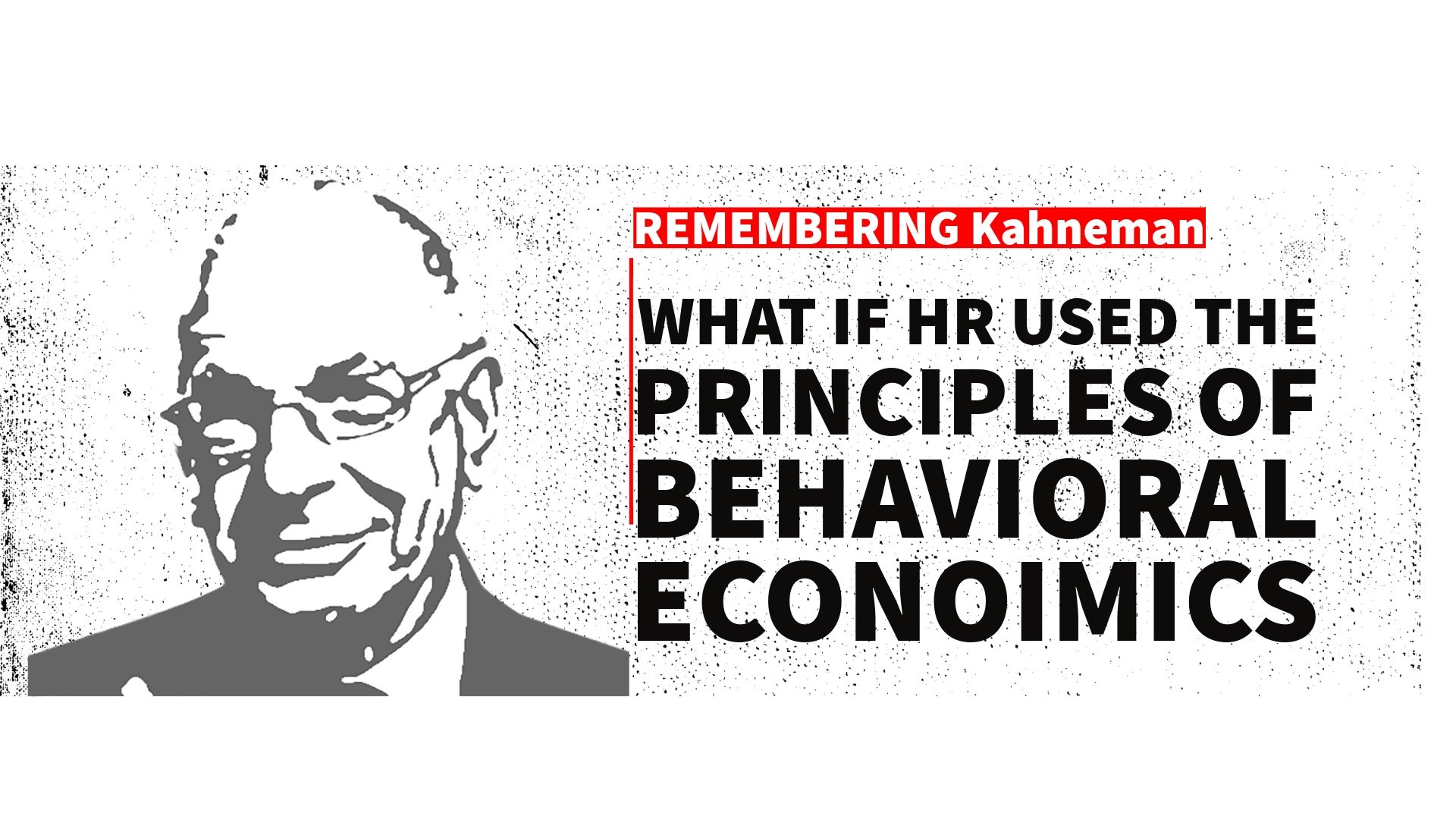
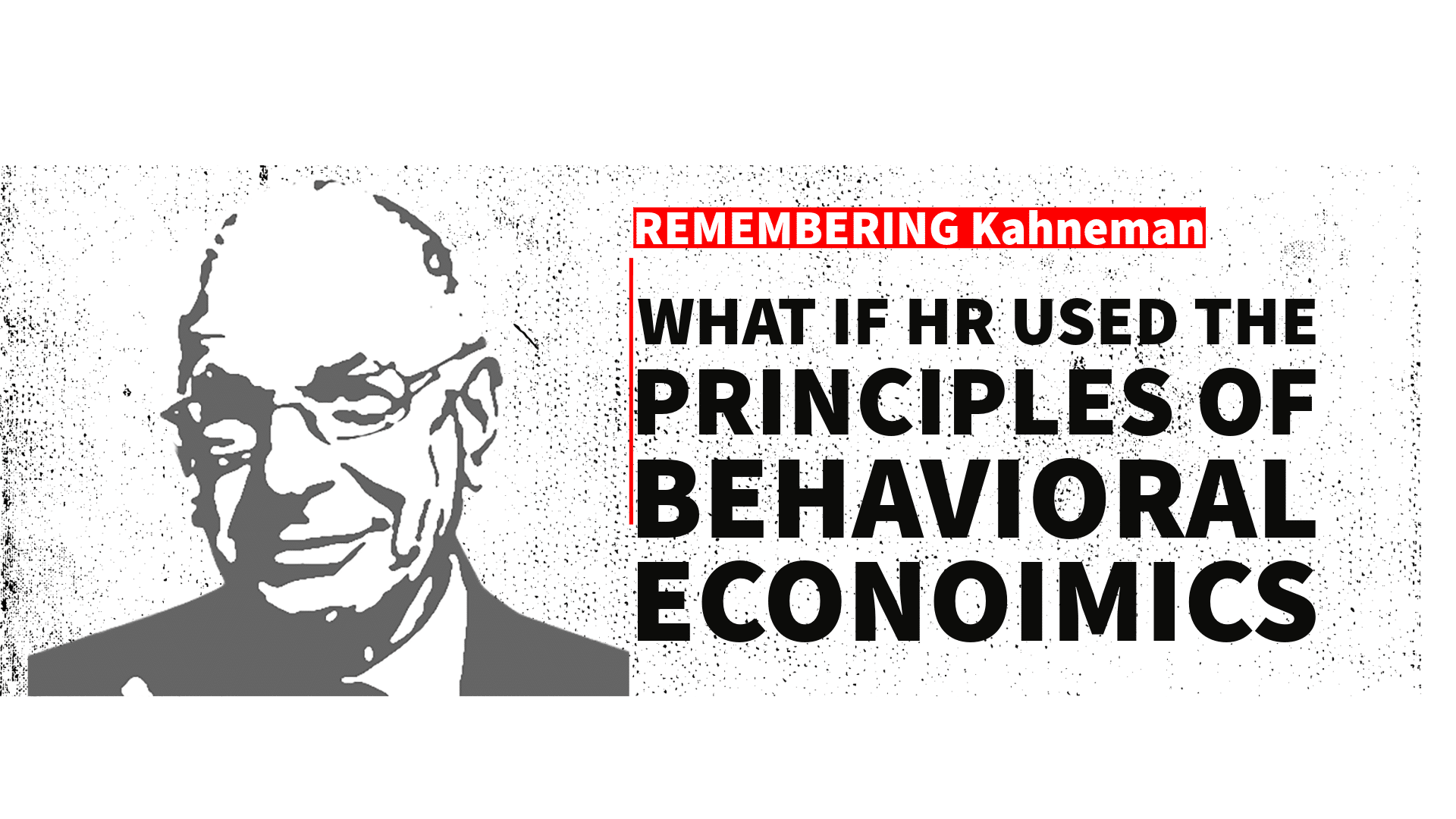
    Daniel Kahneman Born: 1934, Tel Aviv-Yafo, Israel Died: March 27, 2024 (age 90 years) is a Nobel laureate in Economics renowned for his work in psychology, particularly in the field of behavioral economics, exploring how human decisions deviate from those predicted by standard economic theory.

    As soon as my college professor of Economics said that humans are rational creatures, it told me that I had made a mistake. People are rational. They will seek out the information that will help them take the correct decisions. That may work in case of engineering problems, but how does that apply to humans? Human beings are NOT rational.

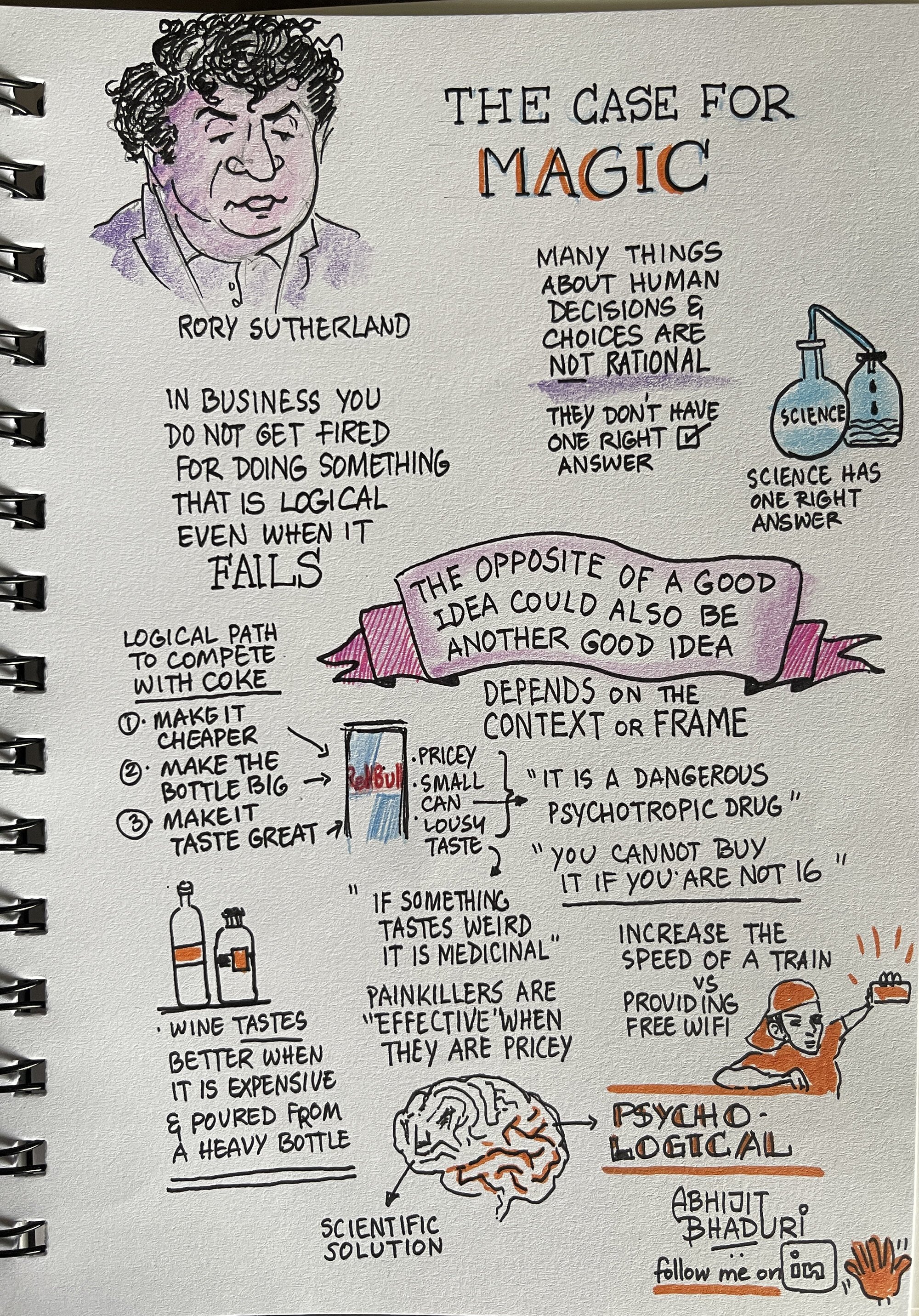
    Wine “tastes” better when it is expensive or poured from a heavier bottle. And you STILL claim we are rational beings?

    We never paused to ask what make people smoke, despite being warned on every packet, “Cigarette smoking is injurious to health.”

    When prices rise, demand drops said my Economics professor. High price is a signal for quality say behavioral economist. During a pivotal moment, the owners of Chivas Brothers decided to raise the price of Chivas Regal, their Scotch whisky brand, with the hope of capturing consumers’ attention. When they doubled the price, it resulted in a twofold increase in sales.

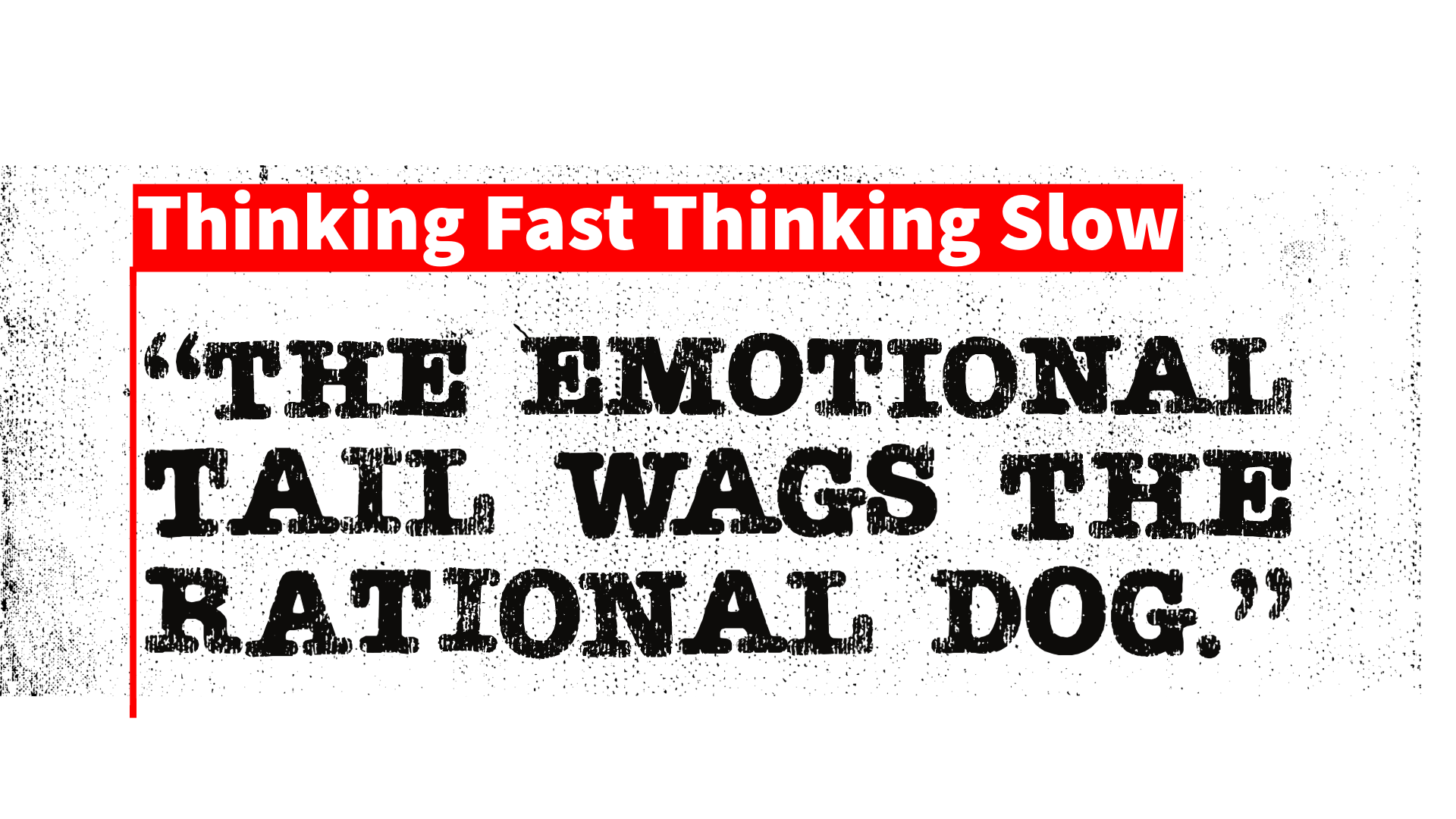
    It was when I read Thinking Fast Thinking Slow that I first began to see what was missing – the irrational human being.

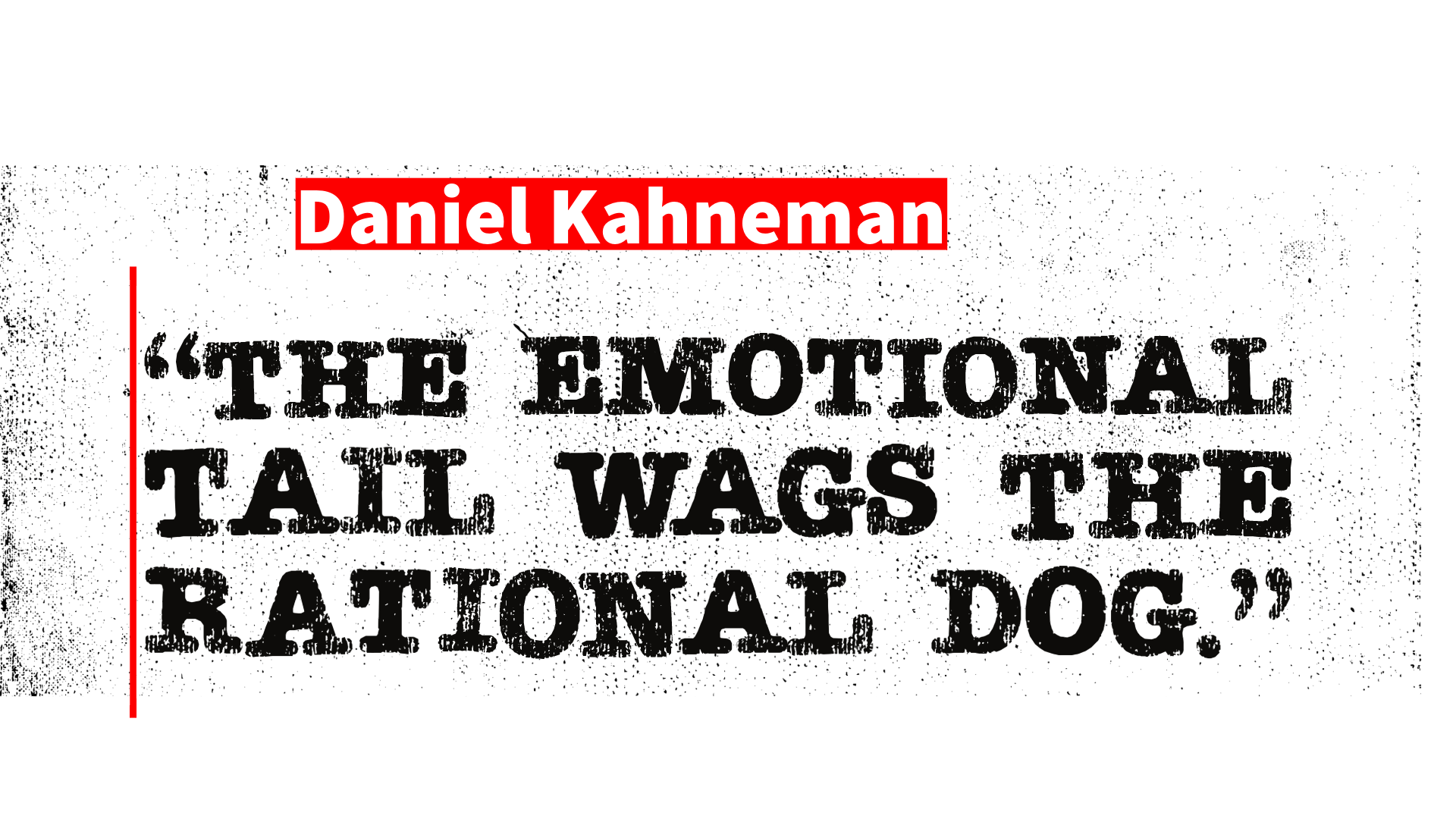
    >
    Daniel Kahneman made Economics applicable to human beings. We need to do the same for HR
    — Quote Source

    The real human being is biased but confident. They are irrational. They justify their decisions with elaborate data points AFTER they have decided. We want choices. But when we get a lot of choice, it stresses us. We signal our attractiveness through brands but believe that branding is just fluff. We believe that expensive wine tastes better. Change is a social process – not done through grand launches. We have all the data to show that people listen to podcasts, but few organizations (if any) leverage podcasts internally. We tell people that we need to attend skill building workshops to be successful, but successful senior leaders are never seen attending any workshop.

    We are like that only. I wish HR was designed for Humans. <read this>

    1. We first believe the conclusion, then the facts

    You may have been told that we draw conclusions after we have studied all the data and the arguments. Yet anyone who has attended a meeting at work will tell you, that the underlings will manufacture arguments (and even use data selectively) to prove the boss right. When people believe a conclusion is true, they are also very likely to believe arguments that appear to support it, even when these arguments are unsound.

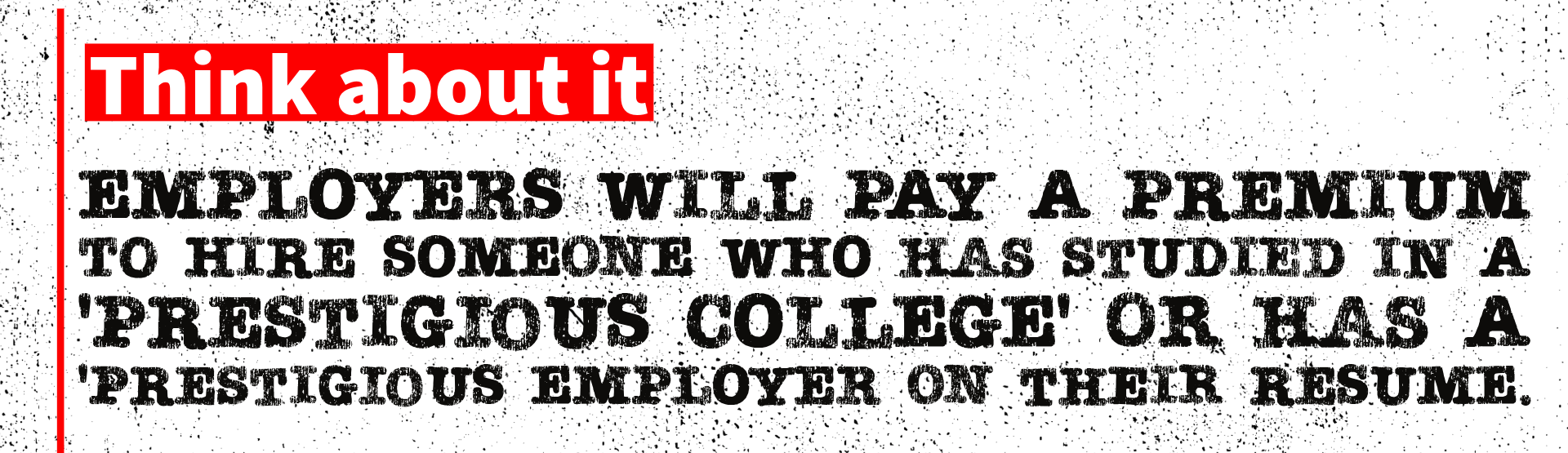
    Employers will pay a premium when they spot a “prestigious college” or familiar name of a firm on the resume of a candidate. When such a candidate performs poorly, no one stops to question the assumption. They simply find another candidate to fill the spot. This is the HR equivalent of “no one got fired for choosing IBM”.

    Kahneman’s work on System 1 and System 2 thinking indicates that humans are prone to rely on intuition (System 1) rather than analytical thinking (System 2) under certain conditions. In hiring, this can lead to judgments based on gut feelings rather than data. Kahneman would advocate for structured interviews with standardized questions that allow for an objective comparison between candidates, reducing the reliance on intuitive judgments.

    2. The irrational conference circuit

    When a company is doing well, their “best practices”will be amplified by their leaders at conferences. Those leaders are invited by the media to share their secrets. Yet when the same company fails, the speakers and best practices are both dropped from the conferences. The company’s failure may be because of poor funds management or a poor product market fit and not their HR policy. Above all, it is sobering to know that success or failure may both be shaped as much by chance.

    3. HR teams must hire influencers

    They know how to find the best jobs, how to navigate office politics, share ways to negotiate salary and everything HR should do if only people would ask them. TikTok influencers are doing what people don’t find inside the organization.

    Content creators such as @hannagetshired and @careersbykirstie, for example, share tips on increasing your salary and navigating office politics. People trust them. They respond to people in real time. They seem to side with the employee. #careertok has 1.5 billion views. Here is “Evil HR Lady” – someone who is a go to HR person that people trust.

    4. What makes us feel good about our work? Hint: It is not money

    Having influencers as part of the HR team could be a terrific way for the employer to communicate with the GenZ and Millennial audience who are becoming a growing percentage of the workforce. Let them create content for your L&D team. Trust me they will do a MUCH better job at building a pull for your upskilling program.

    Encourage the leaders to build their PERSONAL BRAND. Research shows people like to work for famous people

    When we get stuck, we turn to YouTube to find answers to DIY challenges. Those we turn to become our influencers. Most of them are not certified instructional designers. They know that credibility comes from the ability to simplify stuff.

    Hire a team of experts who have experimented in crafting “nudges” and increased acceptance by “reframing” the context. They will do as much (maybe more) to make the workplace, a fun place to show up to.

    HR leaders must believe that they are designing systems for humans. Maybe I should say, HR should be designed for irrational humans. They would like to work in places where the pay is not the reason why they LOVE the work and the workplace. They want workplaces to be designed with things that Behavioral Science has already demonstrated.

    Take a Masterclass in Behavioral Economics

    One of my favorite speakers on Behavioral Economics is Rory Sutherland He is entertaining. He is opinionated. He tells you stuff that changes the way you look at the world. I absolutely think you should watch this.

    If you are interested in some other links to know more about Behavioral Science, leave a comment below.

    And if you want to know my favorite books or podcasts on Behavioral economics, please do encourage your friends and colleagues to subscribe to my newsletter.

    To subscribe to my newsletter, copy paste this https://bit.ly/3L1v3YD